About the Author

Author Picture

Amanda Merck

Merck completed her MPH with a concentration in Physical Activity and Health. She curates content for Salud America! (@SaludAmerica), a Latino childhood obesity prevention project based at the Institute for Health Promotion Research at UT Health San Antonio. She focuses on the latest research, resources, and stories related to policy, systems, and environmental changes to enhance equitable access to safe places for kids and families to walk, bike, and play.


Connect with Amanda:
Twitter Link

Articles by Amanda Merck

Study: Diet Soda Linked to Obesity, Diabetes
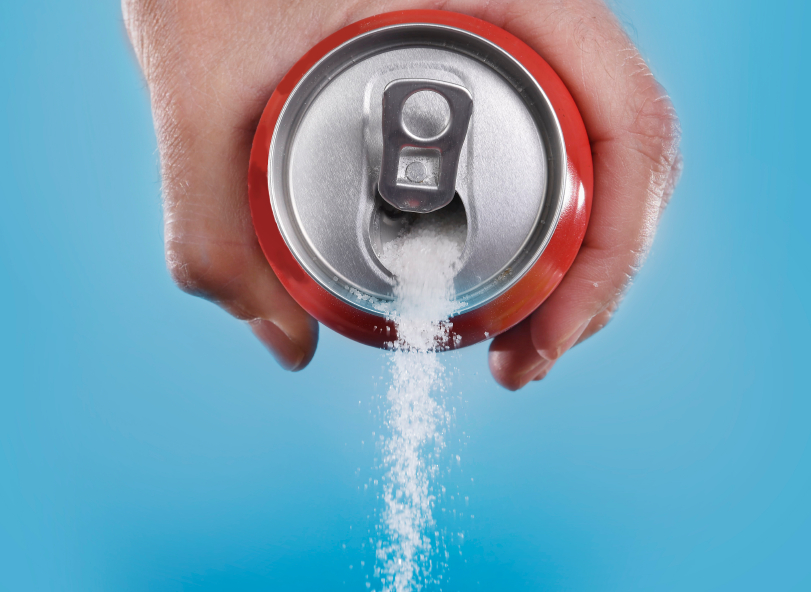


Researchers at Purdue University have found evidence that diet soda may not be the healthiest option if you’re trying to lose weight or improve your health. According to numerous studies reviewed by the group of researchers led by Prof. Susan Swithers diet soda may not be the solution to fight obesity—in fact, it may lead to obesity, diabetes and heart disease. "The concern that these non-caloric sweeteners might not be healthy is a message that many people do not want to hear, especially as the prevalence of artificial sweeteners increases in other products," Swithers said. If you want to stay fit and healthy the best option will always be ...

Read More


Loneliness May Lead to Cardiovascular Disease, Study Suggests


New research suggests social isolation and loneliness can increase the risk of having a heart attack or stroke by 30%, Time Magazine reports. Researchers analyzed over 20 studies involving 181,000 people and concluded that loneliness was linked to a 29% increased risk of heart disease and 32% chance of stroke. According to researchers the size of the effect is comparable to other well-known factors including anxiety and job stress. "We take risk factors like obesity and physical inactivity for granted, whereas we do not yet with social isolation and loneliness,” lead researcher and University of York research fellow Nicole Valtorta said. According to numbers from the American Heart Association over 30% of Mexican-Americans, age 20 and older have coronary heart disease, a ...

Read More

Reading, PA Scored a Perfect 100 National Complete Streets Coalition Analysis


On August 11, 2015, the City of Reading, Pennsylvania, Executive Office of the Mayor Vaughn D. Spencer passed a comprehensive Complete Streets executive order to be effective immediately. A Complete Streets approach integrates the needs of people and place in the planning, design, construction, operation, and maintenance of transportation networks. Every year, the National Complete Streets Coalition examines, scores, and ranks newly passed Complete Streets policies. Among the Best Complete Streets Policies of 2015, the city of Reading, PA (58.1% Latino) came in first. In fact, Reading scored the first perfect score of 100. National Complete Streets Coalition congratulates communities, like Reading, for their work making streets safer, and for showing other communities across ...

Read More

The Best Complete Streets Policies of 2015


Nationwide, a total of 899 Complete Streets policies are now in place to create safer, multimodal transportation networks. In 2015, 82 Complete Streets policies were passed. A Complete Streets approach integrates the needs of people and place in the planning, design, construction, operation, and maintenance of transportation networks. These laws, resolutions, agency policies, and planning and design documents establish a process for selecting, funding, planning, designing, and building transportation projects that allow safe access for everyone, regardless of age, ability, income or ethnicity, and no matter how they travel. Each year, the National Complete Streets Coalition analyzes newly passed Complete Streets policies. The Coalition ranks new Complete Streets policies to ...

Read More

Active Living By Design Community Action Model


After more than a dozen years implementing active living and healthy eating initiatives based on their initial Community Action Model (CAM), Active Living By Design (ALBD) update their CAM and “3P” approach (Partner, Prepare, and Progress). ALBD recommends a community change process that is intentional about partnership, preparation, and strategic progress to change policies, systems, and environments for improved community health. This updated model can be useful to community coalitions and local leaders, as well as to funders seeking a tested approach for local investments. Explore the components of the CAM to learn more: Community Context Essential Practices 3P Action Steps Impacts Communities in Action Copy and Share: Six essential practices are ...

Read More

Park Prescription Program Growing in Greater Washington DC Area


The National Park Service's (NPS) Rivers, Trails, and Conservation Assistance program is working with doctors, healthcare providers, and other local organizations as part of the Healthy Parks Healthy People (HPHP); Greater Washington Area Initiative (DC, VA, MD, and WV) to connect physicians with ParkRx. ParkRx (Park Prescriptions) are programs designed in collaboration among public land agencies, healthcare providers, and community partners to encourage people to utilize parks, trails, and open space for the purpose of improving individual and community health. Doctors use a prescription pad to actually prescribe park time outdoors in nature or in a park. Park prescriptions can improve their health-physical and mental-and create a generation of lifelong park stewards. Since 2013, ...

Read More

#SaludTues Tweetchat 4/19/16: How to Solve Latino Health Disparities


April is National Minority Health Month and we’re excited to tweet about ways to prevent the greatest health disparities affecting Latinos across the U.S. today! The rising Latino population is creating an urgent need to tackle disparities in obesity, diabetes, and cancer. The estimated cost of health inequities is over $309 billion! Time to take action! WHAT: #SaludTues Tweetchat: “Taking Action to Address Latino Health Disparities TIME/DATE: Noon CST (1 p.m. EST) Tuesday, April 19, 2016 WHERE: On Twitter with hashtag #SaludTues HOST: @SaludToday CO-HOSTS: The National Institute on Minority Health and Health Disparities (@NIMHD), Kaiser Permanente (@kpvivabien) & 100 Million Healthier Lives (@100MLives) We’ll open the floor to your comments, stories and ...

Read More

Breastfeeding Medicine Provides Free High-Impact Articles in April


In recognition of National Minority Health Month, Breastfeeding Medicine is providing FREE access to a selection of high-impact articles now addressing minority health disparities. Racial and Ethnic Disparities in Breastfeeding Katherine M. Jones, Michael L. Power, John T. Queenan, Jay Schulkin Changing the Breastfeeding Conversation and Our Culture Gail C. Christopher, Joanne K. Krell Barriers to Breastfeeding in the African American Population of Shelby County, Tennessee Julie L. Ware, Larita Webb, Marian Levy Impact of Breastfeeding Self-Efficacy and Sociocultural Factors on Early Breastfeeding in an Urban, Predominantly Dominican Community Melissa E. Glassman, Karen McKearney, Minna Saslaw, Dana R. Sirota Prepregnancy Obesity and Breastfeeding Noninitiation in the ...

Read More

FDA Approves Folic Acid Fortification of Corn Masa Flour


The Food and Drug Administration (FDA) approved folic acid fortification of corn masa flour widely used by Latinos, NBC News reports. According to the FDA, folic acid is a B vitamin that when taken by a pregnant woman may help prevent neural tube defects, which are birth defects affecting the brain, spine, and spinal cord. “Increased consumption of folic acid in enriched flour has been helpful in reducing the incidence of neural tube defects in the general population,” said Susan Mayne, Ph.D., director of the FDA’s Center for Food Safety and Applied Nutrition. “Our analysis shows that adding folic acid to corn masa flour will help increase the consumption of folic acid by women who consume this flour as a staple in their diet.” Data from the FDA shows that adding folic ...

Read More