About the Author

Author Picture

Amanda Merck

Merck completed her MPH with a concentration in Physical Activity and Health. She curates content for Salud America! (@SaludAmerica), a Latino childhood obesity prevention project based at the Institute for Health Promotion Research at UT Health San Antonio. She focuses on the latest research, resources, and stories related to policy, systems, and environmental changes to enhance equitable access to safe places for kids and families to walk, bike, and play.


Connect with Amanda:
Twitter Link

Articles by Amanda Merck

AllTransit Data Tools Analyze Social Benefits of Quality Transit
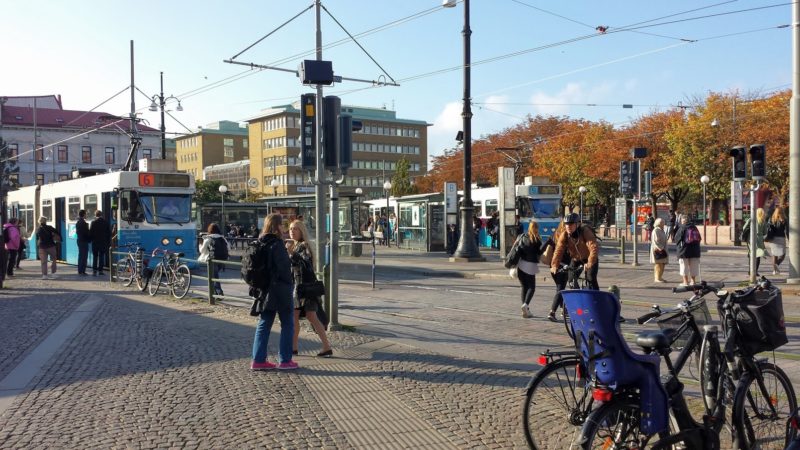


AllTransit represents the largest source of user-friendly transit connectivity, access, and frequency data in America, using publicly available General Transit Feed Specification (GTFS) data and new data created by Center for Neighborhood Technology (CNT) and with funding from TransitCenter. AllTransit analyzes the social benefits of good transit service through the lenses of health, equity, and economic development. Users can rely on these tools to increase their understanding of the value of quality transit to improve transit and create sustainable and equitable communities. When families in disadvantaged neighborhoods have access to transit and jobs, they have greater choices between housing units and employment opportunities, and alternative transportation options connecting ...

Read More

Foot Traffic Ahead 2016: Ranking Walkable Urbanism in America’s Largest Metros


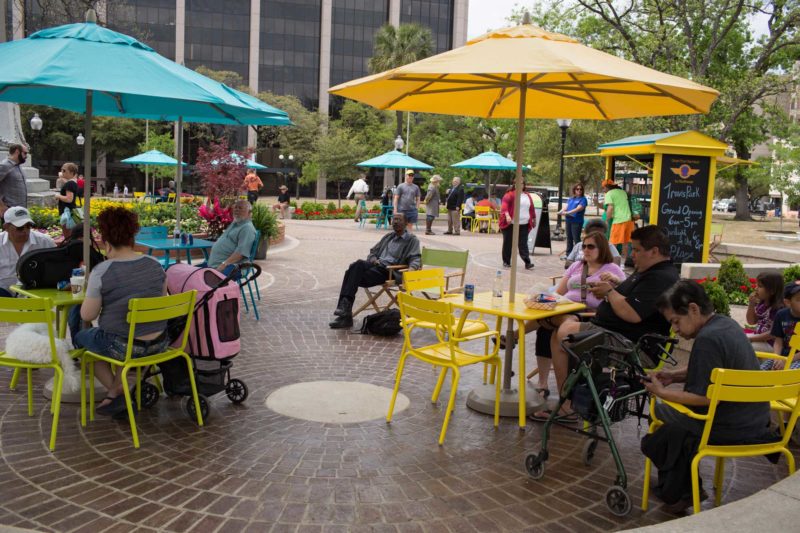
LOCUS and the Center for Real Estate and Urban Analysis at the George Washington University School of Business released Foot Traffic Ahead 2016, a report ranking the country's 30 largest metropolitan areas focusing on walkable urban places (WalkUPs). LOCUS is Latin for "place." Place is important. According to the report, places with the highest levels of walkable urbanism are also the most educated, wealthy, and socially equitable. The new report will include three different rankings for all 30 metro areas: current walkability, development momentum, and social equity. In addition to market-driven development trends, current walkability, development momentum, and social equity of urban places are relevant indicators when considering population health because they ...

Read More

Folate Rich Latino Foods May Prevent Childhood Obesity


New research from the National Institutes of Health (NIH) concluded that “proper maternal folate levels during pregnancy may protect children from a future risk of obesity, especially those born to obese mothers.” What exactly is folate? According to the NIH folate is a B vitamin that is present in many popular Latino foods and vegetables, such as beans, avocados, baby spinach, and popular fruits among Latinos such as mangos and oranges. Doctors recommend women who are pregnant to consume 400 mcg of folic acid daily, either from supplements or fortified foods such as masa de maiz. Learn more about folate ...

Read More

Neighbors and Leaders Calm Traffic on Scary Street


Neighborhood leaders and residents like Paul D. López and Fany Mendez in the Denver, Colo., neighborhood of Westwood worked together with local organizations to tackle safety concerns on Morrison Road, an arterial street that bisected their neighborhood. In addition to safety issues, they were also concerned about health, because kids can’t play and people can’t walk on busy, unsafe streets. Their efforts led to a pedestrian-activated traffic light, traffic calming features, medians, and aesthetically-pleasing infrastructure and landscaping to make the road more accessible to all. Unsafe Street Scares Kids and Families Paul D. López, the District 3 City Councilmember in Denver, Colo. (31.8% Latino), grew up a few blocks from his current office on Morrison Road, a busy main ...

Read More

Fitness Instructor Helps Launch La Casita Fitness and Learning Center


Westwood Unidos and Re:Vision, two local organizations in the Westwood neighborhood of Denver, Colo. (31.2% Latino population) were already working to make the area a healthier place for families. Westwood Unidos organized local community members, like Fany Mendez, to teach fitness classes in their spare time wherever they could, such as schools, churches, and even bars. When Westwood Unidos learned about a small building that was going to be torn down on a piece of land recently purchased by Re:Vision, Westwood Unidos raised the money to transform the building into a community center named La Casita, with educational and physical activity classes taught by Mendez and local community members. Westwood Families Not Active Enough Fany Mendez, before she became the Coordinator of La ...

Read More

Infographic: El Papel Del Transporte en la Promocion de la Actividad Fisica


Active Living Research (ALR) translated their popular The Role of Transportation in Promoting Physical Activity infographic into Spanish. This infographic highlights evidence that sidewalks, connected bike facilities, public transportation, and traffic calming are successful strategies that support active modes of transportation, Findings presented in this infographic come from a related ALR research review about how policies can encourage walking and bicycling. Learn more about El Papel Del Transporte en la Promocion de la Actividad Fisica here. Copy and Share: El Papel Del Transporte en la Promocion de la Actividad Fisica. http://salud.to/1XdWMbm @SaludToday #SaludAmerica ...

Read More

A Proposal to Fix American Soccer’s Diversity Problem


In 2013, Roger Bennett of Men in Blazers and Greg Kaplan, a University of Chicago economics professor, looked at the effects of the pay-to-play system on American soccer by looking at socio-economic data of pro basketball, football, and soccer players from 1993 to 2013. They found the soccer players came from communities that had higher incomes, education, and employment rankings than basketball and football players, and soccer players were whiter than the US average. Doug Andreassen, the chairman of US Soccer’s diversity task force, says the pay-to-play system in suburban neighborhoods works against poor minority kids because it is so costly. Additionally, the over-coaching style in these wealthier leagues often crushes the creativity of players who learned to play in the ...

Read More

Report: 4 in 10 Women in the U.S. Are Obese


According to a new study, 40% of U.S. women are obese, Health Day reports. For the study, researchers gathered obesity rates from a national survey conducted from 2013-2014, and concluded obesity rates among women have been on the rise for the last seven years. "Given all the high-profile attention to the obesity epidemic in America, even by those in the White House, we might be surprised and appalled that, overall, obesity rates are rising, not falling, and that the best news in the mix is stabilization of alarmingly high rates in a few select groups,” Dr. David Katz director of the Yale-Griffin Prevention Research Center said. Obesity rates among U.S. men did not change significantly according to the ...

Read More

San Antonio Neighborhood is Combating Crime by Shooting Hoops and Revitalizing Parks


A Summer 3 on 3 Throwdown basketball tournament, hosted byThe Dignowity Hill Neighborhood Association in Eastside San Antonio, TX is one of many initiatives to revitalize a neglected neighborhood. In addition to the physical activity itself, the goal of the tournament is to get kids off the street and bring the community together. It is a precursor to a Midnight Basketball league, which began in 2012 with the Eastside Promise Neighborhood Grant and was recently expanded. In a city (63.2% Latino) home to the NBA's All-Time Winningest Team-San Antonio SPURS-basketball could serve as a culturally relevant vehicle to keep kids active and healthy, as well as off the street. Therefore, access to safe parks with basketball courts is crucial. However, the two parks in Dignowity Hill ...

Read More