About the Author

Author Picture

Amanda Merck

Merck completed her MPH with a concentration in Physical Activity and Health. She curates content for Salud America! (@SaludAmerica), a Latino childhood obesity prevention project based at the Institute for Health Promotion Research at UT Health San Antonio. She focuses on the latest research, resources, and stories related to policy, systems, and environmental changes to enhance equitable access to safe places for kids and families to walk, bike, and play.


Connect with Amanda:
Twitter Link

Articles by Amanda Merck

World Breastfeeding Week 2016: A Key to Sustainable Development
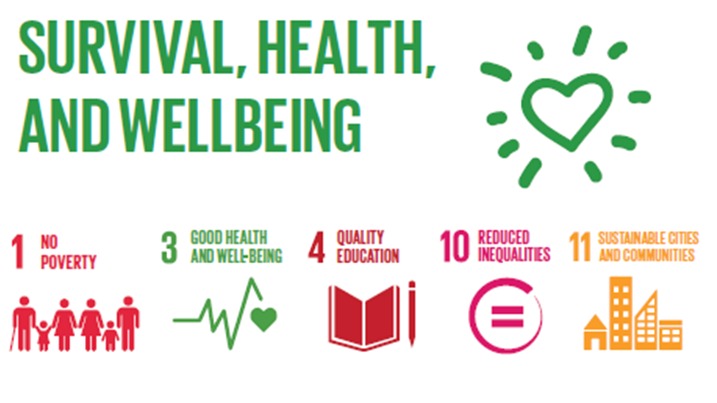


Sustainable development is essentially about ecology, economy, and equity. The World Breastfeeding Week 2016 aims to firmly anchor breastfeeding as a key component of sustainable development. World Breastfeeding Week is coordinated by the World Alliance for Breastfeeding Action (WABA) and global network of individuals and organizations concerned with the protection, promotion, and support of breastfeeding worldwide. Breastfeeding is one element in getting us to think about how to value our wellbeing from the start of life, how to respect each other and care for the world we share. Access and download WABA's World Breastfeeding Week 2016 free materials in English, Spanish, and many other languages to be prepared to talk breastfeeding and sustainable development: Poverty ...

Read More
Helping Kids Avoid Harmful Sugar


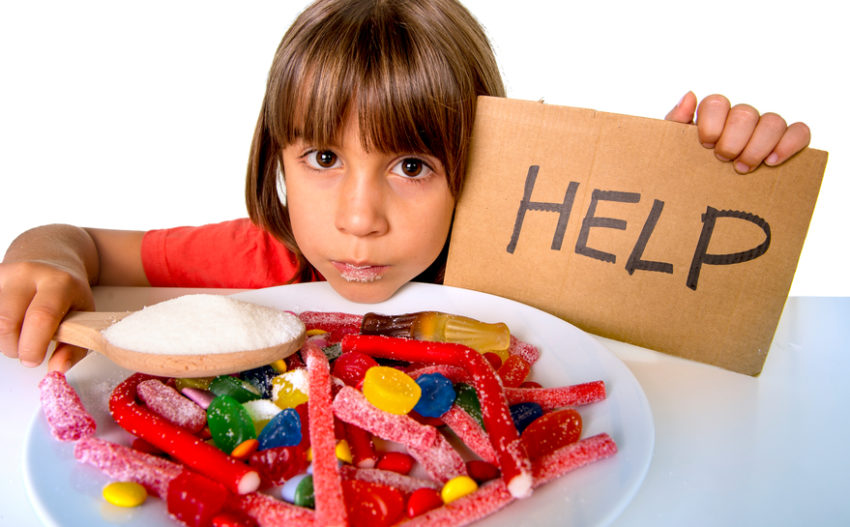
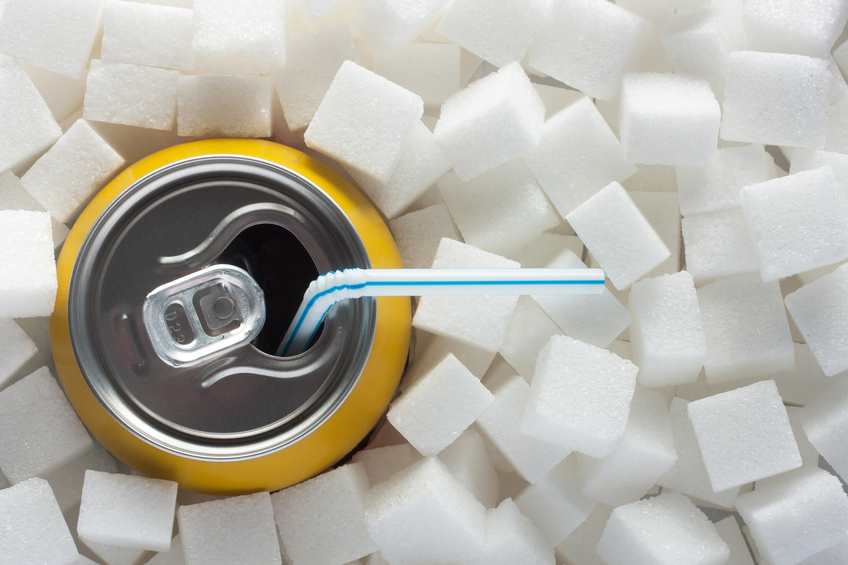
By Dr. Patricia Braun, MD, MPH, FAAP Campaign For Dental Health  SaludToday Guest Blogger We often hear about different ways to eat. More protein, less protein, more fat, less fat. It can be confusing. One thing isn’t confusing: we need to reduce the amount of sugar we eat and drink.  Added sugars are playing a bigger and bigger role in making our nation unhealthy.  Consuming added sugar causes cavities, weight gain and obesity-related diseases such as type 2 diabetes, prediabetes, and cardiovascular disease. Tooth decay is the most common chronic condition in childhood and leads to pain, tooth loss, a lower quality of life, and is expensive to treat. And obesity, in our nation’s children has become an enormous health problem, especially for Latino ...

Read More

Study: Drinking Soda May Cause Gallbladder Cancer


Soda consumption is high among Latinos, and it’s one of the main causes of diabetes and obesity in the United States. A new study from Sweden reveals this sugary drink may cause gallbladder cancer, NBC Health reports. For the study, investigators surveyed more than 70,000 individuals and tracked them for more than 13 years and concluded that those who consume more than two sodas a day “had more than twice the risk of developing gallbladder tumors and 79% higher odds of biliary tract cancer.” “The current study is the first study to show a strong link between consumption of sweetened beverages, such as soda, and risk of biliary tract cancer,” lead researcher Susanna Larsson told NBC news. To stay healthy and fit doctors recommend to avoid sodas and all sugary ...

Read More

VIDEO: 2016 First Food Forum – Achieving Health Equity in Every Community


Every one of us can help achieve health equity. How can YOU help your community be healthy right from the start? Protect, promote, and support breastfeeding. Start by watching the W.K. Kellogg Foundation’s video created for the 2016 First Food Forum. Explain why breastfeeding matters in a relevant and linguistically appropriate manner Help establish Baby-Friendly Hospitals Help pass laws for paid family leave, and break time and clean space at work to pump Encourage early childcare providers to support nursing mothers Help create local farmers markets and safe places to walk, bike, and play Learn more about Baby-Friendly Hospitals here. Spread the word about how every one of us can help create a culture where breastfeeding is the ...

Read More

Study: Artificial Sweeteners Make You Eat More, Sleep Less


artificial sweetener

For decades artificial sweeteners have been a sugar substitute especially among Latinos and all people who have diabetes, but according to a new study, sugar alternatives may cause people to eat more and sleep less, Univision reports. For their research, investigators from Australia gave sucralose (a chemical present in many artificial sweeteners) to fruit flies and mice and discovered that both of these animals consumed more calories than those animals in a real sugar diet. According to the investigators artificial sweeteners cause a neuronal disequilibrium when the brain is tricked into thinking the body is consuming real sugar but the calories are not existent; thus forcing the brain to send the message to the body to eat more. “These results show us that food 'sugar-free' ...

Read More

New Book: America’s Walk Renaissance


What are missing but not missed at a Renaissance Festival? Cars. America Walks and the Every Body Walk! Collaborative released a new book, America's Walking Renaissance, which examines how nine cities suburbs, and towns across the country are embracing walking and creating more walkable places. "Walking is the gateway to increased physical activity, and a stimulus to safer, more livable and equitably prosperous communities," Tyler Norris, MDiv, Vice President, Total Health Partnerships at Kaiser Permanente, stated in the introduction. Access the book for free here. Learn more about the urgency in fighting childhood obesity with walking and physical activity here. Spread the ...

Read More

The Urgency in Preventing Childhood Obesity with Physical Activity


Preventing Childhood Obesity

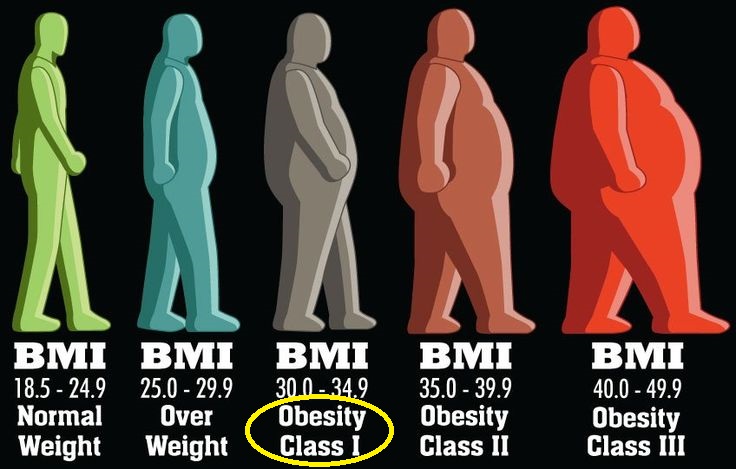
Early recognition of overweight and obesity, by family and physicians, is crucial, particularly among kids who have higher rates of obesity. However, many people, including many Latinos, don't understand how urgent childhood obesity is because of confusion between overweight and obesity and confusion about what obesity actually looks like. Parents Underestimate Child's Risk Parents, in particular, are often unable to correctly identify their child's weight status, thus underestimating their risk for many life-threatening diseases. Additional confusion, that leads to underestimation of health risk associated with obesity, is related to beliefs that big babies are healthier than small babies, and that kids will "grow out of" obesity. Children Don't "Grow Out of" Obesity Research ...

Read More

Chicago Public Schools to Watch over Kids Traveling to Parks for Summer Programs


Chicago Schools-First Day

School-park partnerships are popping up all over the country! In the summer of 2016, the Chicago Park District in Chicago, Ill. (28.9% Latino) provided Chicago Public Schools (CPS) $112,500 to implement a new initiative to watch over children walking and biking to 20 city parks for summer programs. The program is modeled after CPS's Safe Passage, which has been around since 2009 to watch kids traveling to and from school in at-risk neighborhoods. The summer safety program will hire 150 CPS workers and train them in relationship-building skills and de-escalation strategies to be the eyes and ears for children getting to and from park activities. One of the parents said that the training helped her intervene in an altercation that she would have otherwise probably ignored. "We want ...

Read More

Pokemon Go and Mental Health


By now you’re most likely aware of Pokémon Go, an app that was more popular than Twitter for a time. Pokémon Go is a GPS-based augmented reality gaming app that forces players to go out and explore the outdoors in order to "catch 'em all" (Pokemon creatures). According to mental health experts, this gaming app can help individuals with depression by forcing them to go out of their home and do physical activity and interact with other individuals and friends. "The developers behind Pokémon Go didn't mean to create a mental health gaming app," psychologist John M. Grobol wrote for his site, PsychCentral. "But they've done so, and the effects seem to be largely positive." A 2018 study found that 33% of Pokémon Go players reported changes in social behavior since they ...

Read More