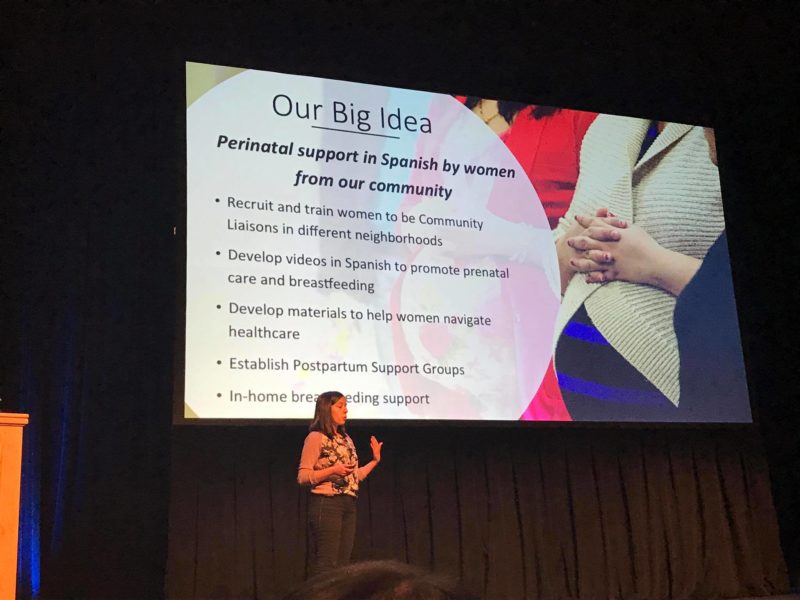
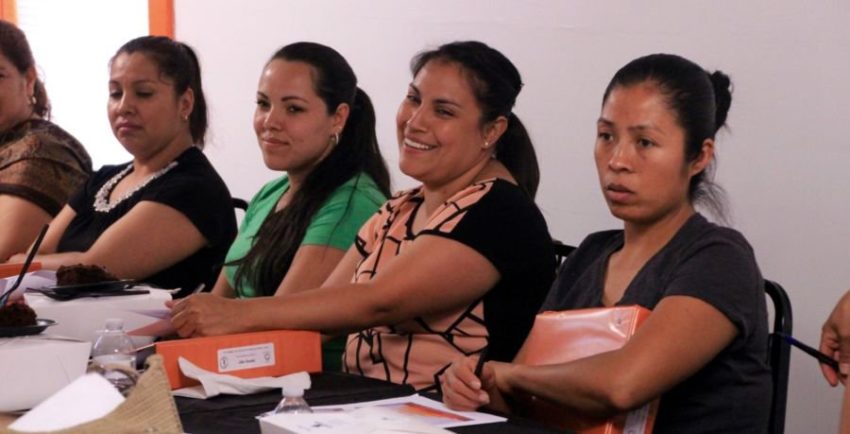
There are many barriers that exist that keep some Latinos from achieving the best health possible. Cultural stigmas, language barriers, and a lack of access are just some of these barriers. For Latinas, the problems can be even more frightening. Lack of insurance, lack of transportation, and even isolation are common problems that keep many Latinas from receiving medical treatment. At the Latino Community Center in Pittsburgh, PA (2.72% Latino population), has recognized this growing problem and has decided to do something about it, as reported by The Pittsburgh Post-Gazette. Using an idea based on the promotores de salud concept, the center has recruited and trained women to become “liaisons” in heavily Latino-populated neighborhoods in the city. These liaisons will ...
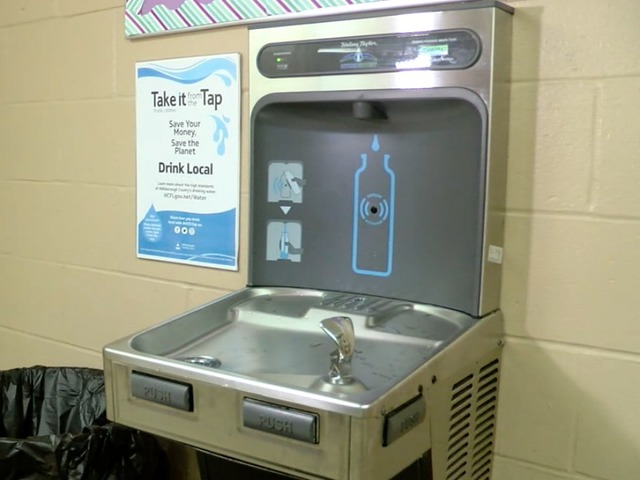
Drinking water increase health and hydration, but clean water is not always easy to get to. Recognizing this basic human need and the importance that water plays in overall health, Hillsborough County, Fla. (26% Latino population) has installed 60 water bottle filling stations—also called "hydration stations"—throughout the community. Attached to already existing water fountains, the stations have been installed at libraries, community centers, and public schools and parks, ABC Action News reports. In Hillsborough County, each station costs roughly $1,200 to install. “It's good that we have these stations,” said area resident Andres Gonzalez in an interview with ABC. “Easy and quick and efficient for us. Kind of a grab and go thing.” Latino kids ages 0-5 ...
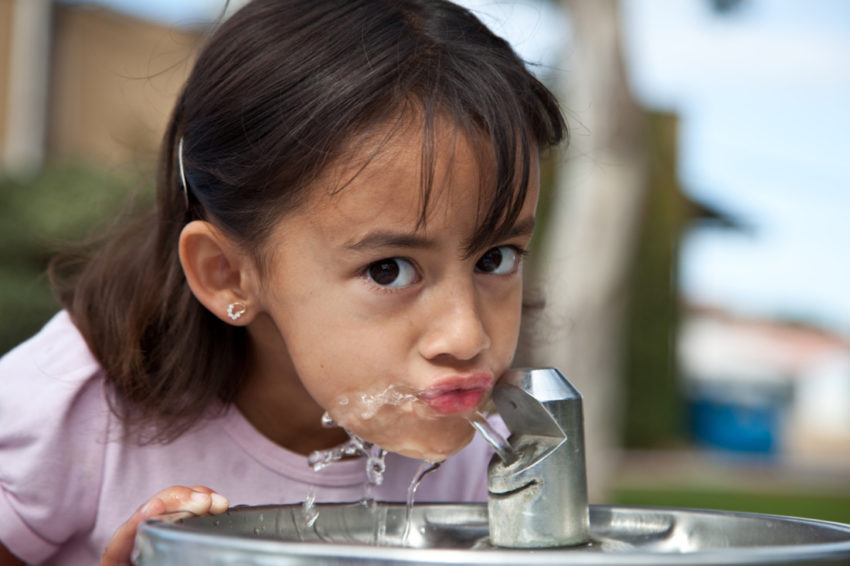
Dehydration. Fatigue. Poor classroom performance. Water can help solve these issues for kids, but Latino kids don’t have access to clean drinking water as often as white kids, and they are more dehydrated. That’s why Salud America! created the #SaludWater health campaign! #SaludWater promotes awareness and grassroots actions to inspire local change to give Latino children more access to drinking water: Share social media messages about real stats and real people driving innovative solutions to boost water access, such as adding water bottle fountains in schools, pushing water using bilingual promotoras, and more.
Sign a letter to urge State PTAs to prioritize access to drinking water in schools, such as water bottle fountains.
Use our toolkit to add water bottle ...
Latino kids consume more sugary drinks than their peers at all ages, which contributes to their high obesity rates, research shows. And they drink less water, too. Water consumption can decrease sugary drink intake, prevent cavities, and reduce risk of dehydration and its effect on fatigue and brain functioning. Let’s use #SaludTues on Tuesday, Aug. 1, 2017, to tweet how to increase access to water for Latino and all kids, and celebrate the #SaludWater campaign! WHAT: #SaludTues Tweetchat: “Water vs. Sugary Drinks”
TIME/DATE: 1-2 p.m. ET (Noon-1 p.m. CT), Tuesday, Aug. 1, 2017
WHERE: On Twitter with hashtag #SaludTues
HOST: @SaludToday
CO-HOST: The Center for Science in the Public Interest (@CSPI), Public Health Advocates (@WeArePHA), Kick the Can ...
More Latinos are heading to college than ever before. The bad news is that the high cost of higher education often stands in the way of Latinos completing their college degrees. In fact, many students have to choose between tuition or food and housing. For example, 31% of Latino students are hungry, according to a study. A staggering 14% of students at 70 community colleges in 24 states were homeless, according to a survey by the HOPE Lab at the University of Wisconsin. Also 32,000 college applicants were in 2015-2016 identified as “unaccompanied homeless youth” on federal student aid forms, according to The New York Times. Los Angeles (49% Latino population) is a microcosm of college hunger+homelessness. Homeless & Hungry Currently, one in five of 230,000 ...
For over 50 years, Don Francisco has been delighting Latino audiences on TV as the legendary host of Sabado Gigante and Don Francisco Presenta. Now, he is using his influence to help launch a new campaign to help dispel the myths surrounding type 2 diabetes and insulin treatment. The initiative, called Basado en Hechos (Based on Facts), will allow Don Francisco to travel the country and talk about his own experience living with type 2 diabetes. The program was created by a partnership between Boehringer Ingelheim and Eli Lilly and Company. “I was diagnosed with type 2 diabetes 16 years ago, and at that time I believed many things about diabetes that weren't correct,” said Don Francisco in a news release. “These misconceptions prevented me from making the best decisions ...
Nearly 1 in 5 Latinos suffers a mental health problem. But Latinos and other racial/ethnic groups are less likely than whites to seek out treatment for mental health conditions. Why? How can we help? To celebrate Minority Mental Health Awareness Month in July, let's use #SaludTues on July 25, 2017, to tweet about Latino mental health issues, resources, and solutions! WHAT: #SaludTues Tweetchat: “Minority Mental Health Awareness Month”
TIME/DATE: 1-2 p.m. ET (12-1 p.m. CT), Tuesday, July 25, 2017
WHERE: On Twitter with hashtag #SaludTues
HOST: @SaludToday
CO-HOSTS: American Foundation for Suicide Prevention (@afspnational), National Alliance on Mental Illness (@NAMICommunicate), The U.S. Dept. of Health & Human Services Office of Minority Health ...
Education is one of the key social determinants of health. It has been tied to a person’s overall health, long-term financial well-being, and job attainment. Latinos have made great strides in education in recent years, with high-school dropout rates at an all-time low and enrollment in colleges and universities at all-time highs. However, for many Latino families, one barrier that keeps them from obtaining quality education is simply a lack of knowledge of the overall system. In Memphis, TN (6.69% Latino population), a group of parents banded together to help Latino families in keep up with the city’s fast-changing education landscape. They created Spanish-speaking classes as part of the Memphis Lift’s Public Advocate Fellowship. “Our mission is to make the powerless ...
From burgers to carne asada, Latinos eat more beef or red meat than any other racial/ethnic group, according to the USDA. That isn't a good thing for health, research shows. Red meat and processed meat, like bacon and hot dogs, have been linked to certain types of cancer and cardiovascular disease—the two top causes of death for Latinos. USDA dietary guidelines even recently recommend cutting back on red meat in exchange for other proteins, dark green leafy vegetables, whole grains, and fruits. Here's a few ways meat-lovers can achieve these guidelines. Limiting red meat The American Heart Association recommends that people limit lean beef, skinless chicken and fish to less than six ounces per day. "In general, red meats (beef, pork and lamb) have more cholesterol ...