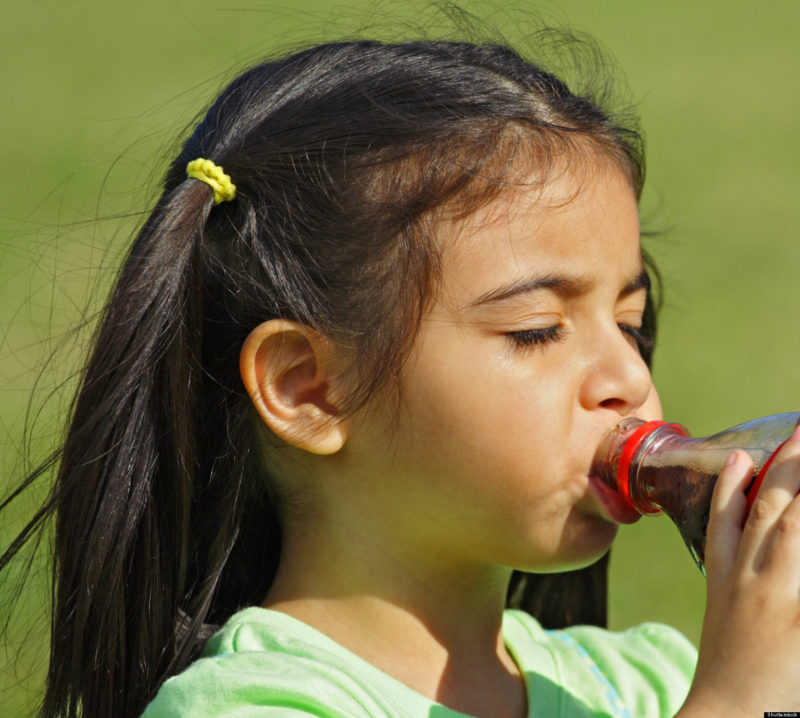
Caffeine use among children is increasing. Sodas as well as energy drinks are a major source of caffeine for kids. A recent study shows 29% of 7th and 8th graders can’t judge what has caffeine and what doesn’t. Between 30% and 50% of teens and young adults reported using energy drinks. Energy drinks account for up to 58% of a person’s beverage budget for those on government assistance. For Latinos, there are 22% more ads for energy drinks on Spanish radio as compared to English radio. This targeting to Latinos could increase future energy drink use in the Latino community. Why is this a problem? The American Academy of Pediatrics says caffeine might have health risks for kids. Sodas, energy drinks, or other caffeinated drinks often have large amounts of ...
SaludToday Guest Blogger
Ana Fadich, Vice President, Men's Health Network Did you know there was a month entirely dedicated to raising awareness for issues impacting the health and wellness of men and boys? June will honor the 23rd annual Men’s Health Month. The month also coincides with Men’s Health Week (June 12-18, 2017), a special awareness period created by Congress, and the #ShowUsYourBlue campaign on June 16 where men and women are encouraged to wear blue to work that day to show their support for the health and wellbeing of Latino and all boys and men. See our easy list of things to do to be active, aware, all month long. June is Men’s Health Month – spread the word and make sure every loved male in your life is living well.
Early screenings! They ...
Yolanda Konopken knows 1 in 10 people have diabetes in Arizona. Her program to help families manage diabetes has been at full capacity for years at the Society of St. Vincent de Paul in Phoenix (41.3% Latino population). Konopken wanted to do more to prevent unhealthy weight from causing diabetes in younger children. She had an idea to start a new, bilingual education program to provide support and counseling for families with children at risk of diabetes. She worked hard to develop a bilingual curriculum and launch a fun program that involves the whole family in a series of culturally relevant classes to build children’s self-esteem and positive lifestyle behaviors, such as cooking healthier foods and getting active.
The Crisis of Obesity in Arizona Arizona has the ...
One in five children ages 3 to 17 have a mental health condition. While most kids do not receive care for mental health conditions, it is even less likely for a Latino child to see a mental health provider. Latino children made 58% fewer visits to any mental health provider compared to white children. Latino kids were also less likely than white or black children to see a doctor. In 2013-2014, only 11.6% of Latino kids under age 18 went to a doctor’s office or clinic compared to 7.4% of white and 8.6% of black kids. A lack of mental health care can impact a child in many aspects of life. Kids with untreated mental health conditions are at a higher risk of suspension from school, dropping out, and even have a higher risk of being put in jail. One way to bridge the gap is to ...
Newsflash: Men and women are different. Of course, men don't have to go through what many women go through in reproductive health, such as pregnancy, giving birth, and other issues. But men do fare worse in other heath conditions. Men die at higher rates than women for 8 of the 10 top causes of death. Men die at younger ages than women, and they are more likely to develop chronic diseases throughout their lifetimes, Livestrong.com reports. Among Latino men, the numbers are even starker. Latino men have lifespans that are 5 years shorter than Latinas. They are more likely to have undiagnosed mental health issues. For the National Men’s Health Month in June, let’s use #SaludTues to tweet about Latino men's health issues, solutions, and resources on June 6, 2017. ...
A recent poll from the Associated Press-NORC Center for Public Affairs Research found that older Latinos are more likely than whites or African Americans to borrow money from a retirement account. Whether do to a pressing financial concern or a medical emergency, 34% of all Latinos surveyed (compared to 24% of whites and 25% of African Americans) have at least partially “tapped into” a retirement account. Nearly 1/3 of all the respondents reported withdrawing money to pay monthly bills such as rent and utilities. Many Latinos, especially those born outside of the United States, have little to no savings. In these cases, an emergency of any kind can be devastating financially. “Latinos are using retirement accounts for emergencies,” said Ernest Gonzales, sociology ...
"When it comes to predicting how long you will live, your ZIP Code is more important than your genetic code," George Takei narrates in A Tale of Two Zip Codes, an animated short film by the California Endowment's 10-year Building Healthy Communities initiative. Where you live determines your opportunities, thus your health and life expectancy. Consider not having healthy food options, clean air, safe sidewalks, nearby parks, quality schools, public transportation and preventive health care. The root causes of inequity in access to opportunities are due to racial and economic discrimination. Struggling so much to find healthy options can be an overwhelming source of chronic stress, which is a serious health risk in itself. If we are all going to be healthier, we need to look at ...
How can you use data to improve health in your area? The 500 Cities dataset tries to provide an answer. The data set, which contains estimates of adult chronic disease, unhealthy behaviors, and preventive care for census tracts in 500 of the largest American cities, launched in 2016 thanks to the Robert Wood Johnson Foundation, the Centers for Disease Control and Prevention (CDC), and the CDC Foundation. The Urban Institute released a research report in May 2017 on how to use the data to reach change-making partners. Access the data set here and register for a webinar on Tuesday, June 13, from 1:00 to 2:00 p.m. (EST) with Urban Institute to learn how to host a local event centered on the new 500 Cities neighborhood-level health data. Census tract-level data allows cities ...
There is a shortage of mental health professionals in the United States. This situation is more severe for Latino and other minorities, who face barriers of language and culture that can make it hard to seek and get help, Pew Charitable Trusts reports. Take, for instance, Ana Paula Guerrero of Aurora, Ill. Guerrero says it makes it easier and better for her therapy if she doesn't have to translate her emotions from her native Spanish to her adopted English. "When I am talking about certain feelings in Spanish, it's (about) vocabulary and being able to gather the words to express yourself," Guerrero told the Daily Herald of Illinois for a report on language barriers to mental health care. "It's not the feeling itself, but the ability to communicate what you are ...