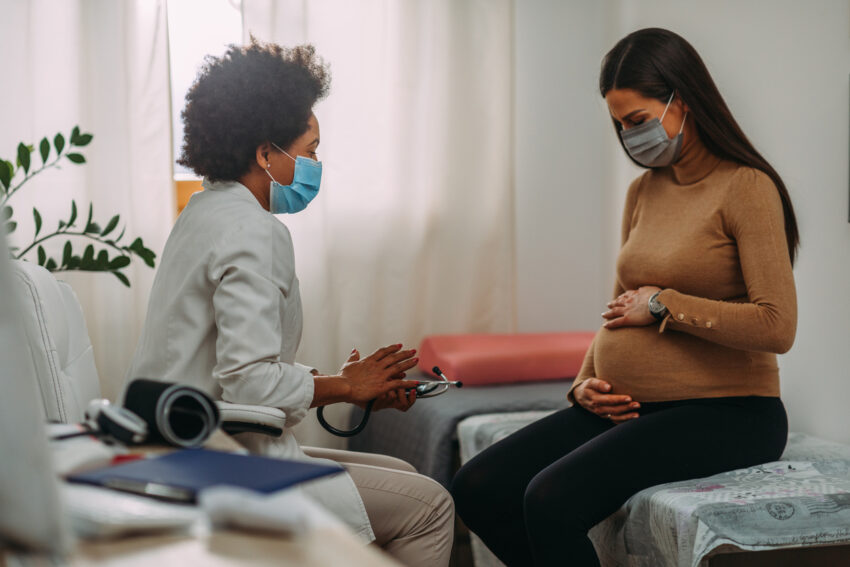
Prior to the pandemic (2007-2016), Latinas had a comparable maternal mortality rate to White women, according to the Kaiser Family Foundation. However, a new analysis from the University of Maryland and Boston University suggests that Latinas now bear a higher maternal mortality rate compared to white women, a trend not seen in over a decade. The Latina maternal mortality rate rose an alarming 74.2% from 2018-March 2020, when the pandemic began, to April-December 2020, according to the study, published in JAMA Network Open. In comparison, White women’s maternal mortality rate rose just 17.2% during the same time. “For the first time in more than a decade, the maternal mortality rate for Hispanic women during the pandemic was higher than that for non-Hispanic white women, a ...
Researchers at UC Davis Health and the University of Texas Health Science Center at Houston (UTHealth Houston) are working on a new study to predict who is most at risk for dementia or Alzheimer’s disease. The study includes creating a health ‘scorecard’ for dementia risk. Here’s what you need to know about the study and how you can participate.
Study Goal
UT Health San Antonio will be the clinical research site for the Diverse Vascular Contributions to Cognitive Impairment and Dementia (Diverse VCID) study. Data will be collected through brain scans, genetics, and other key biomarkers. “Putting these very different pieces of information together, our ultimate goal is to really come up with a risk profile,” Dr. Charles DeCarli, Professor of Neurology and ...
You’re not imagining it – it is very hot out there. Heat waves swept the nation beginning in early June 2022, putting more than 50 million people under excessive heat warnings and breaking or tying record-high temperatures in more than 25 major cities, according to NPR. For pregnant women, these severely hot temperatures could increase the risk of miscarriage, according to a new study at the Boston University School of Public Health (BUSPH). Researchers found that pregnant people in North America had a 44% higher risk of an early miscarriage (within eight weeks of pregnancy) in the summer months, particularly in late August compared to February. This trend was similar during any week of pregnancy, where risk of miscarriage was 31% higher in late August compared to ...
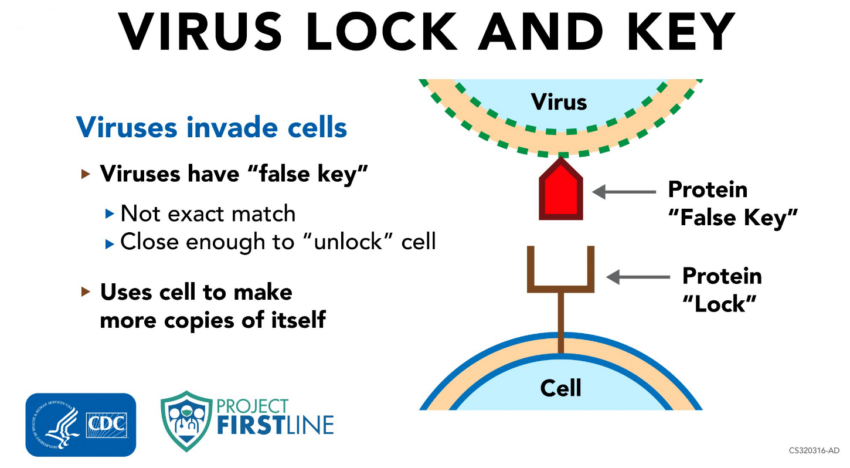
We all know that some viruses make us sick, like norovirus, which causes vomiting and diarrhea; rhinovirus, which causes the common cold; and SARS-CoV-2, the virus that causes COVID-19. But how do these viruses make us sick? What happens when a virus gets into the body? Our bodies are made up of billions of microscopic building blocks, called cells. On the outside of our cells, there are tiny parts that stick out. Those tiny parts are made of proteins that act like a lock on a door. If you have the right “key” for the “lock,” then you can get into the cell. Some virus cells can have tiny parts that stick out on their outsides, too. Those tiny parts can work like a “false key” that can fit the “lock” to some types of our bodies’ cells. It’s not an exact ...
The U.S. Latino population has risen to 62,647,044, representing 18.9% of the nation’s population, according to new Census Bureau estimates. The number of Latinos in the U.S. grew by 767,907 from 2020 to 2021, an increase of 1.2%, according to the newest data. Here is everything you need to know.
What Defines “Hispanic Origin” on the Census?
Individuals filling out the Census can choose between two ethnicities, “Hispanic or Latino” or “Not Hispanic or Latino” What defines being “Hispanic or Latino” when filling out the Census? According to the Census website, the U.S. Office of Management and Budget (OMB) defines "Hispanic or Latino" as a person of Cuban, Mexican, Puerto Rican, South or Central American, or other Spanish culture or origin regardless of ...
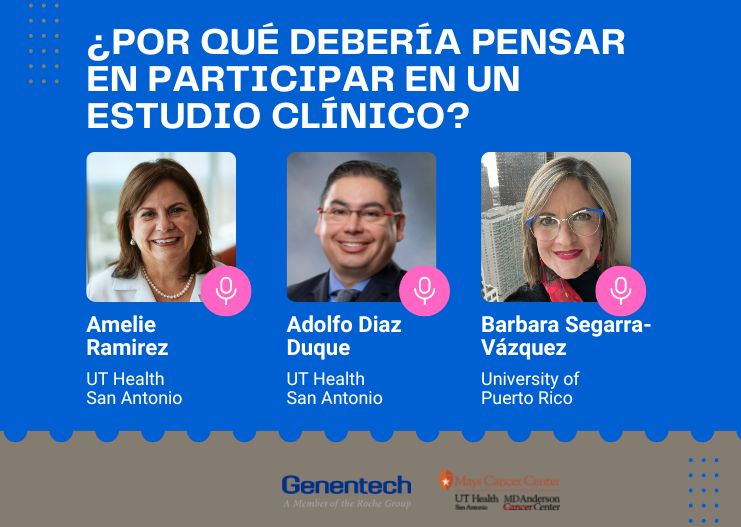
Clinical trials can have big benefits. They help researchers learn more to help slow, manage, and treat Alzheimer’s and cancer for ourselves and our abuelos, moms, dads, and others we love. So then why don't many Latinos join? To address this issue, you’re invited to join our Zoom webinar — Why Should I Think about Joining a Clinical Trial? — at 6 p.m. CT on Wednesday, Aug. 17, 2022. Webinar speakers Dr. Adolfo Diaz Duque of UT Health San Antonio and Dr. Bárbara Segarra-Vázquez of the University of Puerto Rico will help health care professionals and the Latino public understand clinical trial processes, explore trials as treatment options, and share testimonials of real Latinos who have benefited from trials. Panelists will also cover the barriers that prevent ...
Latino or Hispanic-serving colleges and universities have risen 94% in the last 10 years, from 293 in 2010 to 569 in 2020, according to a recent report by Excelencia in Education. Now 20 of the largest Latino-serving colleges are forming a new alliance to double Latino doctorates and increase the number of Latino professors by 20% by 2030. The Alliance of Hispanic Serving Research Universities, announced June 2022, aims to help increase Latino representation in higher education. Latinos make up less than 6% of US doctoral students and only 5% of college faculty. “Hispanics are the largest minority group in the United States and are now 17% of the workforce, yet they continue to be underrepresented in higher education,” Dr. Heather Wilson, Chair of the Alliance, said in a news ...
Los estudios clínicos pueden tener grandes beneficios. Ayudan a los investigadores a aprender más para ayudar a demorar, controlar y tratar el Alzheimer y el cáncer, para nosotros y nuestros abuelos, madres, padres y otras personas que amamos. Entonces, ¿por qué no muchos latinos participan en los estudios clínicos? Para abordar este problema, le invitamos a ver nuestro seminario web (Webinar) vía Zoom: ¿Por qué debería pensar en participar en un estudio clínico? — a las 6 p.m. CT el miércoles 17 de agosto de 2022. Los panelistas del seminario web, el Dr. Adolfo Díaz Duque de UT Health San Antonio y la Dra. Bárbara Segarra-Vázquez de la Universidad de Puerto Rico ayudarán a los profesionales de salud y al público latino a entender los procesos de los ...
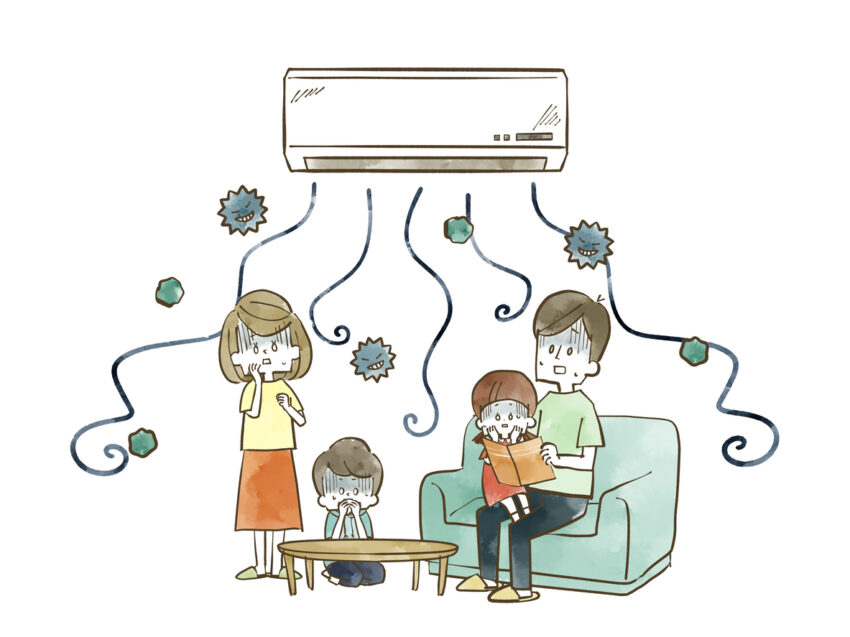
Ventilation is the movement of air in and out of spaces. Good ventilation can help remove things from the air that we don’t want to breathe in, such as chemicals and dust – and small virus particles released by someone who is infected with a respiratory virus, like SARS-CoV-2. “The fewer virus particles in the air, the less likely you are to breathe them in, or that the virus particles will land on your eyes or a surface that you might touch,” said Dr. Abigail Carlson, an infectious diseases physician with the Centers for Disease Control & Prevention (CDC), as part of CDC Project Firstline’s Inside Infection Control video series.
The Importance of Air Changes
Good ventilation involves air changes, which means that the air in a room is replaced with new or filtered ...