Some members of Congress want to help bring equity to employment. Congresswoman Ayanna Pressley of Massachusetts introduced a resolution for a Federal Job Guarantee, a policy intended to make the economy more inclusive and equitable, closing racial and gender income gaps. “The resolution, which builds on the legacy and work of generations of Black women in the Civil Rights Movement, will help the United States achieve the promise of full employment, ensure a just, equitable recovery, establish a more resilient and inclusive economy, and begin to close racial and gender income gaps,” according to Pressley’s press release. If passed, the resolution could bring down unemployment rates that were exacerbated by the COVID-19 pandemic and fight systemic inequities in the ...
Since the turn of the century, research has highlighted the importance of early life experiences on long-term health and social outcomes. While childhood exposure to severe or prolonged toxic stress can negatively impact the brain, body, and behavior, early interventions can increase the odds of positive health and social outcomes. That’s why, in December 2020, Dr. Nadine Burke Harris released her Roadmap for Resilience: The California Surgeon General’s Report on Adverse Childhood Experiences, Toxic Stress, and Health. Salud America! is exploring the report as part of its 11-part series on toxic stress. “The pervasive, high prevalence of [adverse childhood experiences (ACEs)] and the enormous costs of health, economic, criminal justice, and other downstream effects ...
Farmers markets are thought to be great options for communities to support local farmers and buy healthy, organic food. But what role do farmers markets have in addressing food justice and racial inequity? Farmers markets should take an active role in addressing structures and policies that perpetuate inequities and discrimination, according to the Farmers Market Coalition, a nonprofit dedicated to supporting farmers markets and providing income opportunities for farmers. That’s why Farmers Market Coalition created an anti-racist toolkit.
What the Anti-Racist Toolkit Has to Offer
The Farmers Market Coalition is teaming up with Sagdrina Jalal, senior director of partnerships and programs at the Center for Civic Innovation in Atlanta, Nedra Deadwyler, a public historian and ...
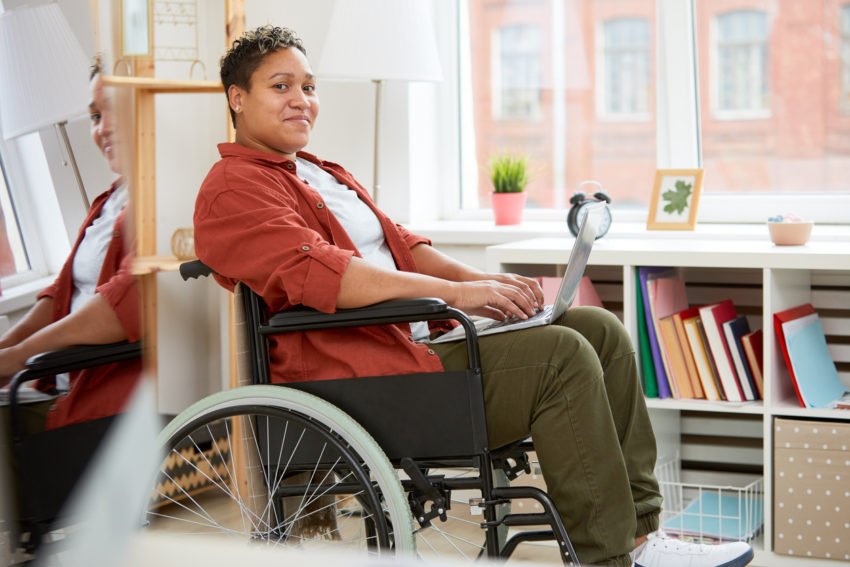
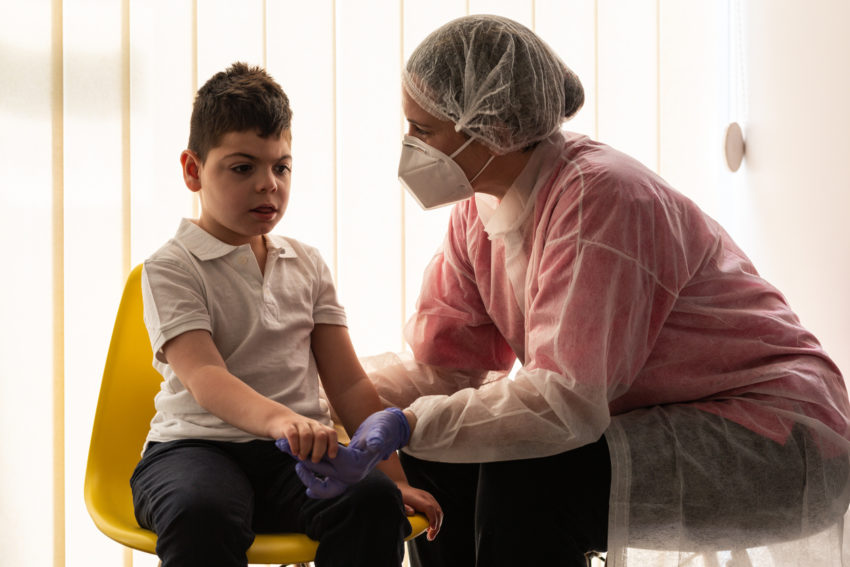
COVID-19 has highly impacted people with disabilities. Even before COVID-19, many challenges have made life hard for people with disabilities, whether in the workplace, classroom, or doctor’s office. Join #SaludTues on Feb. 23, 2021, at 1:00 PM EST to tweet about how we can help people with disabilities. WHAT: #SaludTues Tweetchat: “Helping People Who Face Challenges”
DATE: Tuesday, Feb, 23, 2020
TIME: 1:00-2:00 p.m. EST (10:00-11:00 p.m. PST)
WHERE: On Twitter with hashtag #SaludTues
HOST: @SaludAmerica
CO-HOSTS: @Respect_Ability, @NCHPAD, @HA_Summit Be sure to use the hashtag #SaludTues to follow the conversation on Twitter/X and share your stories and resources. #SaludTues is a Tweetchat on Twitter/X that focuses on a variety of different health ...
The child welfare system plays a critical role in identifying, investigating, and intervening to protect children facing abuse and neglect. However, the child welfare system traditionally isn’t as focused on preventing abuse and neglect. Because abuse and neglect are among the adverse childhood experiences (ACEs) associated with toxic stress and some of the most common and serious health and social conditions, the social services sector is needed to help prevent these experiences before they occur. That’s why, in December 2020, Dr. Nadine Burke Harris released her Roadmap for Resilience: The California Surgeon General’s Report on Adverse Childhood Experiences, Toxic Stress, and Health. She, along with numerous health and child welfare professionals, wants to engage a ...
As the coronavirus continues to surge across the US, Latinos are also still enduring its worst impacts. While there was a notable lack of support from officials in Washington over the last year, many businesses, as well as their leaders, have stepped in to help those in need. Through charitable donations, some Latinos throughout the country are finally getting the assistance they deserve. This assistance has been a long time coming, according to San Francisco’s Latino Community Foundation (LCF) Vice President of Programs, Masha Chernyak — whose organization will pay forward a $2 million dollar donation to specifically provide support to Latinos. "We have taken that incredible American generosity and given it to a community that has been locked out of philanthropic resources," ...
We know that COVID-19 can impact anyone. But some people are more likely to be infected based on their jobs, living situations, and health conditions. One of those groups is people with disabilities. People with disabilities are highly impacted by COVID-19. Latinos with disabilities are at even higher of a risk. Advocates are asking state health departments to prioritize people with disabilities to get the COVID-19 vaccine, but most states are keeping the initial phases to people over 65, regardless of chronic illness. How are people with disabilities affected by COVID-19 and how can we advocate for equity?
How are People with Disabilities Impacted During COVID-19?
One way that people with disabilities are impacted by COVID-19 is through potential exposure from home care ...
Exposure to domestic violence and other adverse childhood experiences (ACEs) can trigger the toxic stress response for a long time, disrupting brain and body development and contributing to some of the most serious health conditions facing our society. Public health can help prevent, detect, and mitigate toxic stress. That’s why Dr. Nadine Burke Harris’ recent Roadmap for Resilience: The California Surgeon General’s Report on Adverse Childhood Experiences, Toxic Stress, and Health calls on public health leaders to address ACEs and toxic stress among Latinos and all people. “The public health field plays an important role in ensuring that communities have healthy environments that support healthy behaviors and reduce risk of harmful exposures,” Burke Harris’ roadmap ...
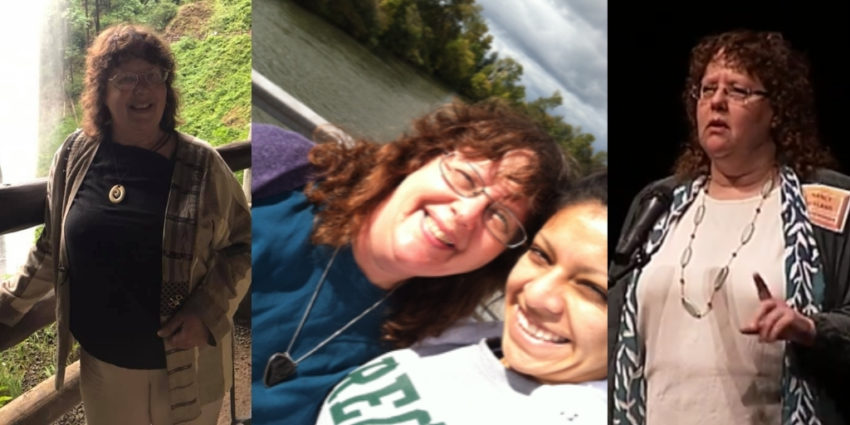
Nancy Willard knows that the way educators are taught to handle bullying isn’t working, especially when it comes to cyberbullying. That’s why she’s written several books on bullying prevention and digital safety, including the first book ever published on cyberbullying. Willard is a former attorney and special education teacher in Veneta, Oregon who has dedicated her career to empowering students and families to stand up to bullies. She also taught those empowerment skills to her adopted Guatemalan daughter. Now she wants to help schools build more culturally relevant anti-bullying programs, especially when the COVID-19 pandemic ends and more schools return to in-person learning.
A Background in Computer Law and Special Education
Before working on building student ...