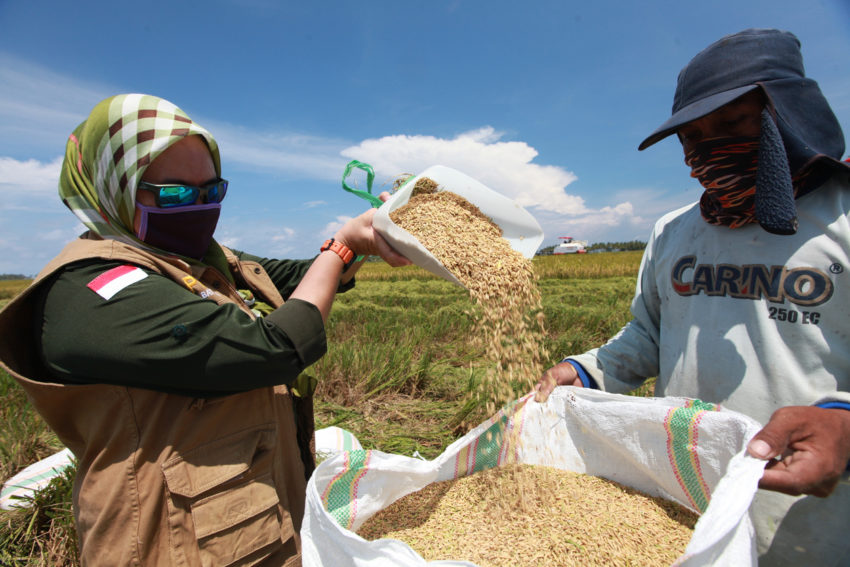
Latino farmworkers living in rural communities are experiencing some of the most devastating effects of the coronavirus pandemic. These laborers are experiencing high rates of COVID-19 infections. Their access to medical care, which was limited even before the virus, has only worsened during the pandemic. On top of everything else, farmworkers are also having to battle against poor workplace treatment, according to Rosalinda Guillen, the Executive Director of Community to Community Development. "There's just a myriad of indignities that the workers suffered at those packing sheds that we're hearing from other workers in other areas where the same thing is happening over and over and over again," Guillen said. "It is about the disease. It is about workers feeling that finally it ...
Helping families recover from the economic impact of COVID-19 requires far more than a paycheck, particularly when already underfunded social services and transit agencies face budget cuts. To build resilience after COVID-19, cities need to invest in people and in places. More specifically, cities need to build a community-based workforce to ramp up social services, and cities need to invest in affordable transportation options.
Cities Face More Than COVID-19 Economic Devastation
The economic fallout from COVID-19 is real for cities and families, particularly for Latinos, who were already drastically underpaid compared to white workers. Beyond unequal pay, Latino and low-income families face a legacy of discriminatory policies and practices that have resulted in unaffordable ...
When COVID-19 struck, it impacted Latinos more than others. That is why Salud America!, a Robert Wood Johnson Foundation-funded national program at UT Health San Antonio, immediately applied its digital content curation model to create equitable, culturally relevant information and action opportunities to address pandemic effects on Latinos. The result? Record spikes in program website traffic and confirmation of the curation model's capacity to increase people's exposure to culturally relevant and action-oriented information for a novel topic like COVID-19, according to a new study published in the journal Health Promotion Practice. "We have shown that digital content curation is an effective, measurable public health promotion tool to disseminate awareness-raising and ...
Too many social support tasks fall to armed police officers. As local leaders discuss COVID-19 recovery plans, they need to consider how to address these social support issues in tandem with economic issues. Many cities are exploring how to reform or reimagine police. This often includes partnering with community-based social, behavioral, and mental health services. However, community partners may lack capacity for city-wide change. That’s why cities need to build a community-based workforce to coordinate community development, help families recover from the pandemic’s economic fallout, and reform police, simultaneously.
Expensive Spending on Traditional Policing
Public safety is a major city expense. Of the 50 largest cities, spending on police accounts for the ...
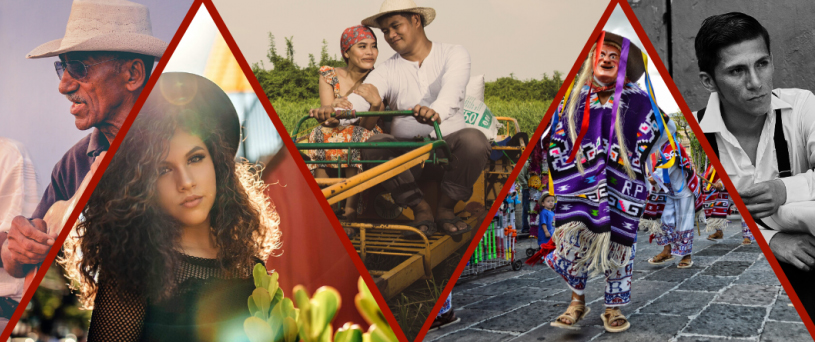
On July 27, 2020, the U.S. House unanimously approved a bill authorizing the Smithsonian Institution to build a National American Latino Museum. Introduced by New York Representative José Serrano and co-sponsored by 295 democrats and republicans, the museum will join 11 other Smithsonian museums along the National Mall in Washington D.C., such as the National Museum of African American History and Culture and the National Museum of the American Indian. A companion bill for the Latino museum was introduced in the Senate in May 2019. “Spanish was the first non-native language to be spoken in the United States,” said Texas Democratic Rep. and chairman of the Congressional Hispanic Caucus Joaquin Castro, according to The Texan. “Latinos have fought in every U.S. war. Food and ...
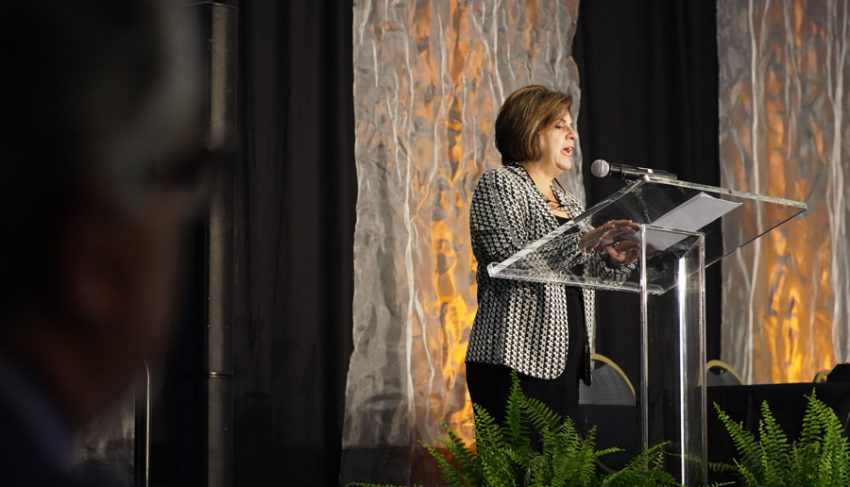
Dr. Amelie G. Ramirez, director of Salud America! at UT Health San Antonio, has been elected to a five-year term on the board of directors for the CDC Foundation. The CDC Foundation has facilitated over 1,700 partnerships, launched more than 1,000 programs, and raised over $900 million to help the CDC improve health around the world. Ramirez joins Dr. Jeffrey Koplan, vice president for Global Health at Emory University, as a new board member. "As the CDC Foundation continues to play an integral role in addressing domestic and global health challenges, including the current COVID-19 response, we are honored to have both Dr. Koplan and Dr. Ramirez join our board of directors," said Dr. Judith Monroe, president and chief executive officer of the CDC Foundation. "These two ...
1 in 9 young people are at risk for youth disconnection—someone ages 16-24 years who is neither working or in school. The coronavirus is expected to widen this gap, especially for Latinos and communities of color. Without immediate action, the number of disconnected youth could grow to 1 in 4 young people, or 6 million youth. A recent report, A Decade Undone: Youth Disconnection in the Age of Coronavirus, highlights progress made over the last 10 years in connecting youth to opportunity. It also provides new details on findings at the state, county and local PUMAs (public use and microdata areas) level on youth disconnection. On Tuesday, Aug. 4, 2020, let’s use #SaludTues to chat about ways to help Latino youth and their families stay connected amid the coronavirus ...
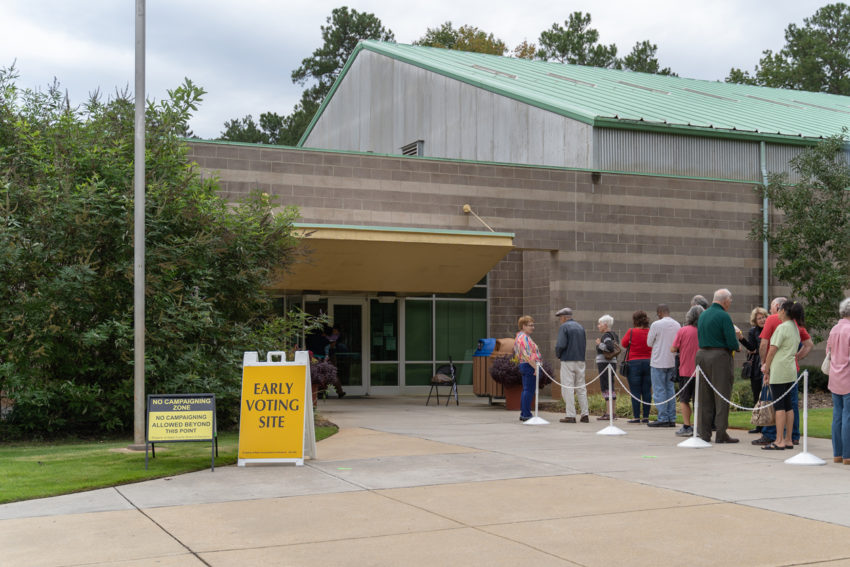
For years, political analysts and partisan think tanks have continued to focus on one group of Americans in order to win elections: Latinos. About 2 million Latinos are expected to vote during the 2020 presidential election, accounting for the largest non-white demographic group in history. They are just over 13% of the electorate this year, according to new data from the Pew Research Center. Expert says, with those demographics, 2020 presents a historic opportunity for Latinos to make their mark on national politics and factor in on who takes office in the White House.
What's the History of Latino Voting in the Presidential Election?
Historically, relatively few registered Latinos voted in presidential elections. When it comes to party, democrats have maintained a significant ...
The U.S. Latino population grew to 60.6 million in 2019, a record 18.5% of the total population, according to new Census Bureau data. Here are all the details you need to know.
The U.S. Latino Population Continues to Grow
The U.S. population reached 328,239,523 in 2019. Latinos reached 60,572,237 in 2019. Now at 18.5% of the U.S. population, Latinos are the second-largest racial/ethnic group, behind non-Latino Whites (60.1%). They have greater numbers than Blacks (13.4), Asians (5.9%), and American Indians or Alaska Natives (1.3%). Latinos accounted for 16% of the U.S. population in 2010. In fact, the U.S. Latino population is up by 10,093,626 from 2010 to 2019, or 20% growth, according to the new Census Bureau data.
Growth of the U.S. Latino Population Is Slowing
Even ...