Systemic racism makes it harder for Latinos and other people of color to get healthcare, housing, transportation, education, employment, healthy food, safe treatment by police, and more. We need solutions to end racial/ethnic injustice. Let’s use #SaludTues on Tuesday, June 16, 2020, to discuss how to address racial/ethnic injustice and discuss clear, measurable strategies and actions to combat racial/ethnic disparities in housing, public health, education, and more! WHAT: #SaludTues Tweetchat: Addressing Racial/Ethnic Injustice
TIME/DATE: 1-2 p.m. ET (Noon-1 p.m. CT), Tuesday, June 16, 2020
WHERE: On Twitter with hashtag #SaludTues
HOST: @SaludAmerica
CO-HOSTS: UnidosUS (@WeAreUnidosUS), America’s Promise Alliance (@AmericasPromise), CommonHealth Action ...
The American economy has been in freefall since the outbreak of the current novel coronavirus — and Latinos face the most widespread unemployment. Job loss is impacting Latinos and immigrant communities at higher rates than their peers during the pandemic, according to recently published data from the National Bureau of Economic Research (NBER). The pandemic is not only forcing more Latinos out of work, but it will have long-lasting ripple effects across the nation, according to Dr. Rogelio Sáenz, a professor in the Department of Demography at the University of Texas at San Antonio. "Over the last several decades, Latinos have represented the engine propelling the U.S. economy," Sáenz writes in a National Association for Community Asset Builders blog post. "While people ...
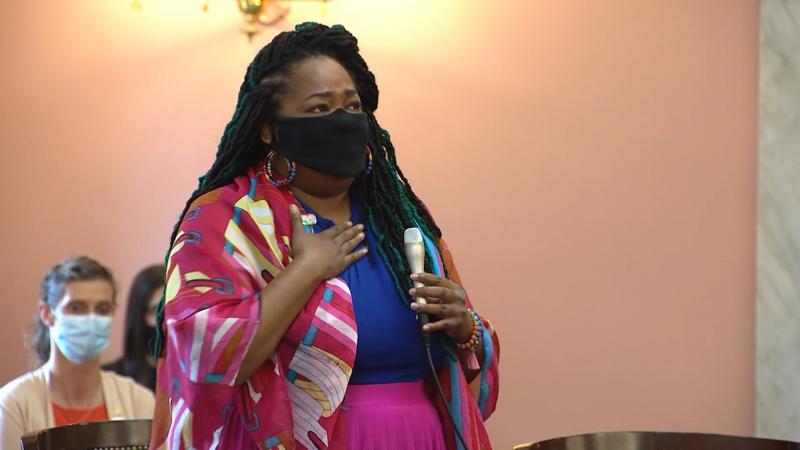
Systemic racism makes it harder for Latinos and other people of color to get healthcare, housing, transportation, education, employment, healthy food, safe treatment by police, and more. How can cities and states take a meaningful step to address racism? Declare racism a public health crisis. That’s what cities and counties in Ohio are doing, with a commitment to: Incorporate educational efforts to dismantle racism.
Review all portions of codified ordinances with a racial/ethnic equity lens.
Prioritize policies that will have the most beneficial health impact on people of color.
Train elected officials, staff, funders and grantees on workplace biases and how to mitigate them. “Through race-conscious policy-making, we’ve got to unwind the generations of ...
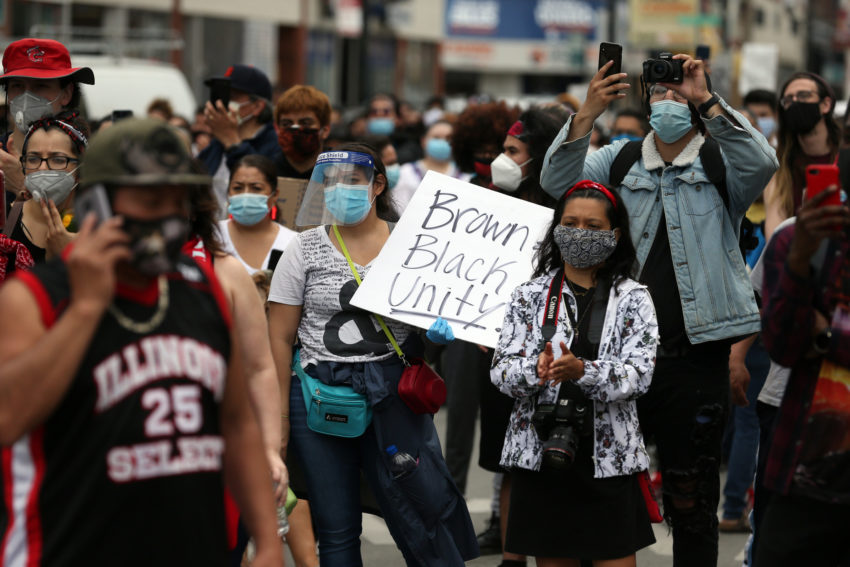
On April 30, protesters, many with guns and without face masks, entered Michigan’s state capitol to resist stay-home orders amid coronavirus, resist mask-wearing, and demand businesses reopen. “Infectious disease physicians and public health officials publicly condemned these actions and privately mourned the widening rift between leaders in science and a subset of the communities that they serve,” reads an open letter signed by 1,288 public health professionals, infectious disease professionals, and community stakeholders across the country. Then, when George Floyd was killed by a police officer May 25, protesters, many unarmed and wearing face masks, took to the streets to promote racial justice. This time, public health professionals responded differently. The noted ...
People around the country are joining together and speaking out about systemic racism, police brutality, and the unhealthy culture that passive racism has cultivated in America. In fact, more people are supporting the #BlackLivesMatter movement than ever before. In light of these events, we are aiming to have a different conversation for today’s episode: How everyday individuals can act to address these tragedies and the system of which they are a symptom. Check out this discussion on the Salud Talks Podcast, Episode 33: "Black Lives Matter"! WHAT: A #SaludTalks discussion about the murders of Black Americans at the hands of systemic injustice.
Co-Hosts: Tenoch Aztecatl, the Video Producer of Salud America!, and Josh McCormack, Digital Content Curator at Salud ...
Communication is a critical aspect of the human experience, and, for Dr. Jason Rosenfeld, it is the key to making any societal shift. From working with small communities in Africa to helping rural towns in the Rio Grande Valley, he has devoted his career to crafting the right phrase or infographic that can effect change. This work in healthcare communications has led to numerous victories over countless threats. With the spread of the current novel coronavirus, COVID-19, Rosenfeld, his colleagues, and a team of medical students at UT Health San Antonio are addressing this new danger by creating health messaging to help people understand what this illness is, how it spreads, how to stay safe, and other critical pandemic information. Rosenfeld, DrPH, MPH—an Assistant Professor of ...
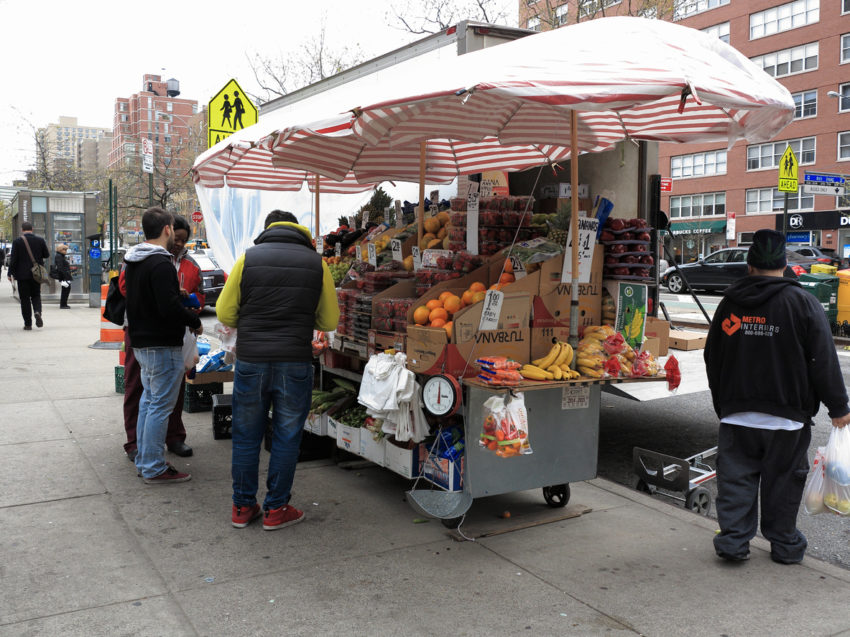
Cities are increasingly recognizing the value of streets as car-less public space. For example, due to a spike in demand for outdoor space early in the coronavirus pandemic, cities around the world began closing streets to vehicles to give people walking and biking more space. More recently, cities are closing streets to vehicles to give restaurants and shops space to serve customers outdoors—in parking spaces, on sidewalks, and on streets. However, street vendors, many of whom are Latinos and immigrants with no paid sick leave and a history of fighting to serve these very spaces, are being left out of reopening plans. “They’ve been so exposed through the nature of their work and the cruelty of our society that has forced them out of the formal economy,” Megan Macareg ...
Latinos workers are essential to the economy. Although, some have worked throughout the pandemic, others are now facing unemployment. At the same time, many will soon be returning to work. Many Latinos hold jobs at meat packing plants, childcare, health care and other positions on the frontlines (i.e. restaurants, retail, etc.). Only 16% of Latino workers are able to work from home, so what does this mean for Latinos and their loved ones? What can we do to advocate for their safety? Let’s use #SaludTues on Tuesday, June 2, 2020, to discuss ways to provide support and promote a healthy environment for Latino workers and their loved ones amid the COVID-19 pandemic, this National Safety Awareness Month! WHAT: #SaludTues Tweetchat: Latinos and Workplace Safety Amid ...
Without childcare, going back to work after the coronavirus lockdown is not an option for many families. But many city and state leaders are overlooking this childcare dilemma as they push to reopen businesses, even while schools remain closed amid the pandemic. That’s why Melinda Lopez is speaking up. Rhode Island, where Lopez lives, began reopening businesses on May 9. But childcare sites have to remain closed through May 30. Beyond this three-week-lag, when childcare centers do reopen, they will take fewer kids. Many moms will still be left without a spot for their child. “I’m concerned about what our women in our communities are going to do,” said Lopez, an Education Strategies Specialist with Highlander Institute, Early Childhood Adjunct Instructor at Rhode ...