To truly improve patient and community health, we must address the non-medical drivers of health, such as access to housing, transportation, and food that can make it harder for people to stay healthy. That’s where screening for the non-medical drivers of health (NMDoH) comes in. Screening for the non-medical drivers of health is a questionnaire given to patients in a healthcare setting to help providers identify their needs. These include issues like financial hardship, housing, and food. Patients can then be referred to helpful community resources. You can use the new Salud America! Action Pack, “How to Start Screening for the Non-Medical Drivers of Health,” to launch screening in your clinic, hospital, or healthcare system! The action pack, created by Dr. Amelie G. ...
Two million Texans lost their Medicaid health insurance coverage in part due to state errors after federal funding to Texas ended after the COVID-19 pandemic, according to a recent article from ProPublica and The Texas Tribune. Many who feel “wrongly removed” are struggling to regain their coverage. “Texas’ zealousness in removing people from Medicaid was a choice that contradicted federal guidelines from the start,” according to the article. “That decision was devastating in Texas, which already insures a smaller percentage of its population through Medicaid than almost any other state and is one of 10 that never expanded eligibility after the passage of the Affordable Care Act.” If you’re struggling with a Medicaid application in Texas, you can share your story ...
Volunteering for Thanksgiving, Christmas, and New Year’s helps other people. It gives the volunteer a nice emotional boost, too. So why not volunteer your “digital voice” or “actions”? We at Salud America! invite you to take or start these 14 actions to promote health for Latino and all families this holiday season!
1. Help Prevent Birth Defects: Add a Warning Label on Unfortified Corn Masa Flour
Are the corn masa products you eat fortified with folic acid? Because too many babies in the Latino community suffer from birth defects like spina bifida, UnidosUS and its partners submitted a citizen petition asking the FDA to require a warning label on unfortified corn masa flour and products. The warning would alert consumers when corn masa flour, tortilla chips, ...
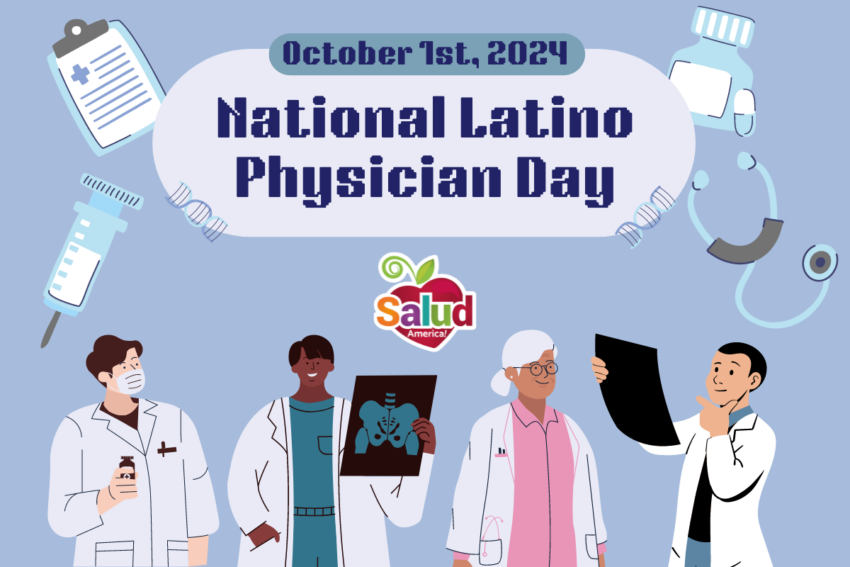
Latinos currently make up 19.5% of the US population. Yet only 7% of physicians are Latino, according to the Association of American Medical Colleges (AAMC). What’s more, only 2% of the 7% are Latina, according to the publication Latina Women in the U.S. Physician Workforce. Having Latinos in medicine is vital to achieve better health outcomes for all patients, including Latinos. This glaring difference can increase instances of mistreatment or negative perceptions, delay preventative care, influence what kind of treatment someone receives, and cause a stronger mistrust of the healthcare system – all of which can disastrously impact Latino health. During Hispanic Heritage Month we are honoring Latino physicians on National Latino Physician Day, Oct. 1, to ...
When you look up at the movie screen, what do you see? Do you see someone who looks like you? Do you see someone you can relate to? Do you hear someone who speaks like you do? Everyone deserves to be the hero of the story, but for decades Latinos and Latino stories have been often left out by Hollywood. However, some stories have come along to break the mold and rewrite what it means to be a Latino in the film industry. Pioneers have given Latino movie creators and artists pathways to come up with stories that celebrate and honor the strength of Latino culture. These stories offer a deeper insight into the Latino experience and the challenges many must overcome to reach their dreams. From animated box office hits that uplift to biopics that inspire, here are ...
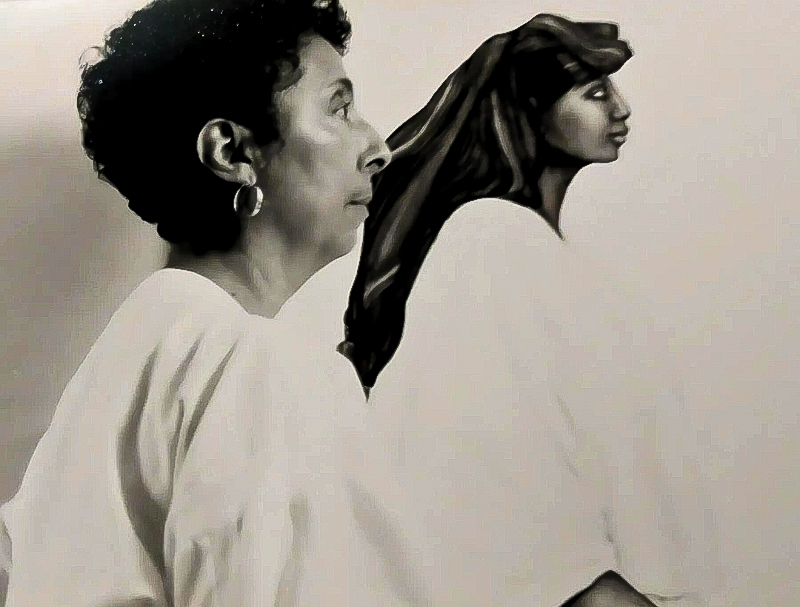
Whether with paint on canvas or a friendly chat in person, San Antonio artist Mary Louise Lopez always spread love and showcased the beauty of the human spirit. Mary Louise was a gifted artist in drawing, painting, sculpting, and batiking. The subjects of many of her paintings are native communities of Texas, Mexico, Central America, and South America, where she often travelled and befriended many locals. Mary Louise, who passed away in November of 2022of pancreatic cancer, portrayed the pride and strength of native Latinos with great affection and care, said Irene Peche, a close family-friend. “She sought to capture their dignity and the work ethic by which they lived. There is an honesty in the depictions of her subjects that captures reality, beauty, and hardship without ...
As young kids, we all have dreams. Whether it’s a firefighter, a teacher, or an astronaut, we are inspired to do big things. For Selena Quintanilla-Pérez, better known as Selena, she dreamed of being a music artist – and that’s exactly what she did. “She had hopes and dreams just like the rest of us. She had a family that supported those dreams and did what they could to make them a reality. She may have achieved success as a recording artist but she never intended to limit herself,” according to Smithsonian Magazine. To honor Selena during Hispanic Heritage Month, let’s dive into her life, accomplishments, and how her legacy continues to live on in the Latino community.
Selena and Her Humble Beginnings
The youngest of 3 siblings, Selena was born in Lake ...
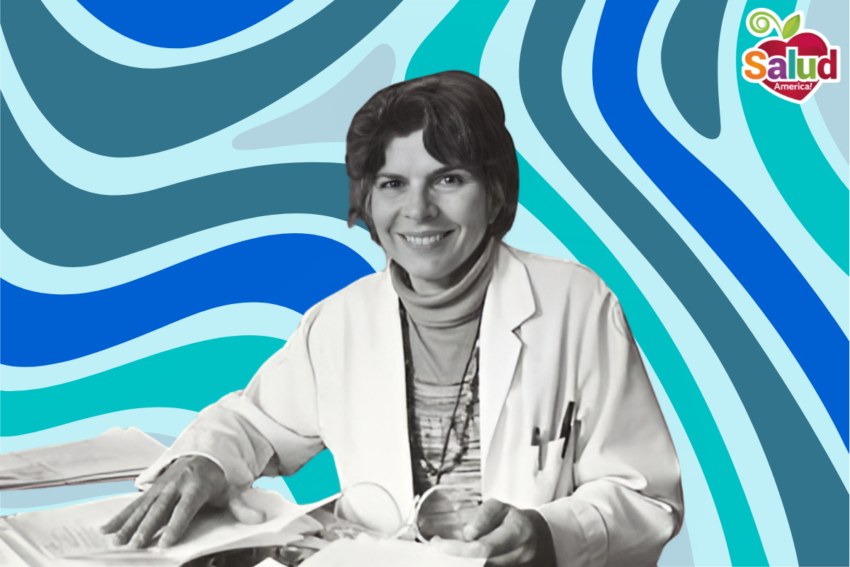
As we celebrate Hispanic Heritage Month, Salud America! is spotlighting some amazing Latinos. Dr. Helen Rodríguez-Trías blazed a trail for Latinos in public health. Rodríguez-Trías helped children as a pediatrician, spoke up for rights for women and those overlooked in healthcare, and became the first Latina president of the American Public Health Association. Let’s explore her career, accomplishments, and how her legacy continues to inspire Latinos in health and medicine today!
Dr. Helen Rodríguez-Trías: Early Life and Stepping Stones
Helen Rodríguez-Trías was born in 1929 in New York but spent much of her early childhood in Puerto Rico. At the age of 10, Rodríguez-Trías returned to New York with her family. Rodríguez-Trías would learn English quickly and did ...
Hispanic Heritage Month is here! This annual U.S. observance, from Sept. 15 to Oct. 15, celebrates the histories, cultures, and contributions of Americans whose ancestors came from Spain, Mexico, the Caribbean and Central and South America. We at Salud America! invite you to celebrate Hispanic Heritage Month in these surprising ways.
1. Learn How Hispanic Heritage Month Began
U.S. Congressmen Edward R. Roybal of Los Angeles and Henry B. Gonzales were among those who introduced legislation on the topic in 1968. President Lyndon Johnson implemented the observance as Hispanic Heritage Week that year. U.S. Rep. Esteban E. Torres of Pico Rivera proposed the observance be expanded to cover its current 30-day period. President Ronald Reagan implemented the expansion to ...