Want to play memory and thinking tests and help millions of families with dementia? The Brain Health Registry can help you do that. Researchers at the University of California San Francisco (UCSF) developed a registry for adults interested in conducting brain tests that can help the future creation of treatments for Alzheimer’s, dementia, Parkinson’s, and other brain disorders. Now, they’re partnering with the Glenn Biggs Institute for Alzheimer’s and Neurodegenerative Diseases at UT Health San Antonio to expand brain health research in the Texas region of the United States, through a partnership called STOP-AD. Learn about the STOP-AD Brain Health Registry, how Alzheimer’s is affecting Latinos, and how clinical trials can help us tackle Alzheimer’s and other ...
Dr. Mirella Díaz-Santos has a personal fight to end Alzheimer’s Disease. Her grandmother was diagnosed with Alzheimer’s when Díaz-Santos was in school. “I needed to know more about how this ‘disease’ can change someone who you love so much. How can it change it completely?” Díaz-Santos said. Díaz-Santos is an assistant professor in residence at University of California at Los Angeles (UCLA) in the department of neurology and psychiatry. She’s also the director of research of the Hispanic Neuropsychiatric Center of Excellence at the Semel Institute for Neuroscience and Human Behavior and is involved with the Women’s Alzheimer’s Movement to bring awareness to Alzheimer’s within the Latino community. Although she’s experienced bias and discrimination ...
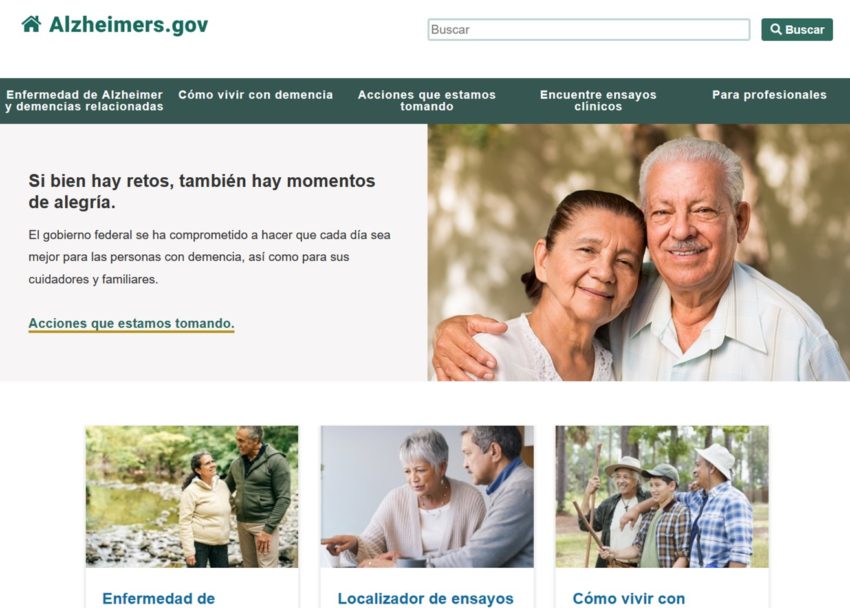
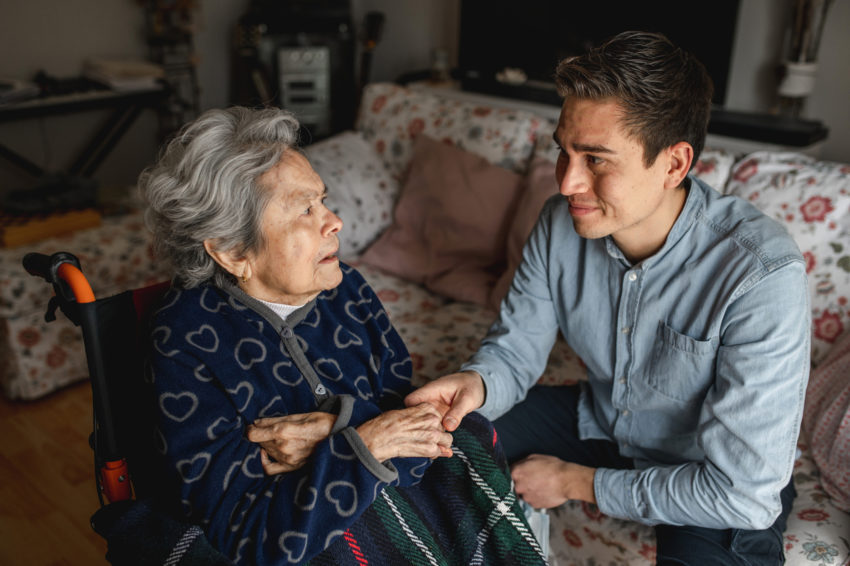
Did you know that every 65 seconds, someone develops Alzheimer’s disease? This number is most troubling for Latinos and women. Latinos overall are 1.5 times more likely to develop Alzheimer’s than their White peers. Two-thirds of Alzheimer’s patients are women. Latinas are at higher risk than non-Latinas. In response, the federal government created a website, Alzheimers.gov, for dementia information, resources, and clinical trials. Now that website is also in Spanish at Alzheimers.gov/es! Each website has: Information about Alzheimer’s disease and related dementias, including causes, symptoms, diagnosis, and treatment.
Knowledge and resources for caregivers and people living with dementia.
Clinical trials and studies that people can join to help advance ...
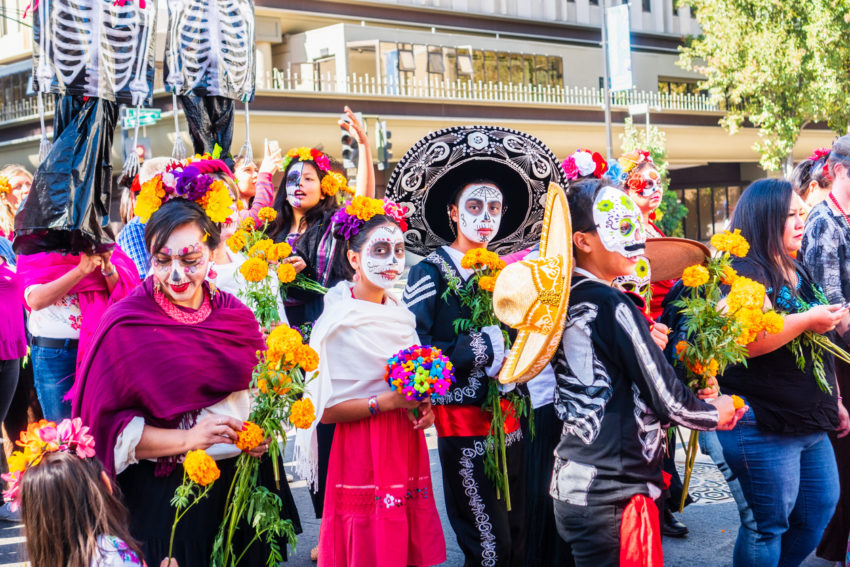
Día de los Muertos, also known as Day of the Dead, is a lively annual Mexican holiday that celebrates friends and family members who have passed away. Characterized by vibrant parades, singing, traditional dress and costumes, and altar building, Día de los Muertos brings unity between the living and returning spirits. “This indigenous holiday from Mexico celebrates the loving connection between the living and our departed loved ones that is so deeply missing in Western culture,” said Aya de Leon, a Puerto Rican novelist and Berkley professor, as reported by San Antonio Express News. For Día de los Muertos, our team at Salud America! is honored to remember the loved ones we’ve lost from COVID-19 and other conditions, and protect the health of our living familia.
1. ...
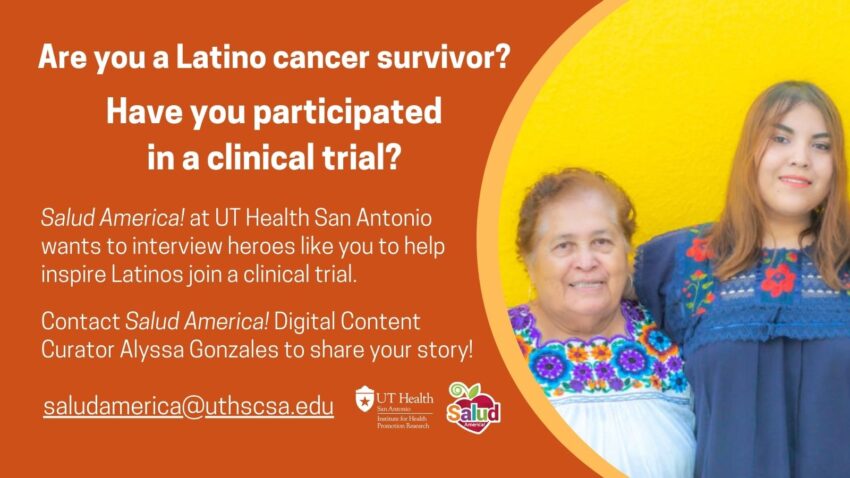
Are you Latino? Have you participated in a clinical trial related to cancer, Alzheimer’s, or another condition? If so, we want to talk with you and share your story! Salud America! is looking to interview and write stories about heroes like you — Latinos who have participated in a clinical trial — to showcase the benefits of volunteering to inspire other Latinos to volunteer, too. Dr. Amelie G. Ramirez’s Salud America! program at UT Health San Antonio is sharing the stories of clinical trial heroes with the support of Genentech, a member of the Roche Group. “Clinical trials are studies that help researchers learn more and more to help slow, manage, and treat Alzheimer's and cancer,” Ramirez said. “Clinical trials help us fight for our familia.” To share ...
Today, the National Institute on Aging (NIA) of the National Institutes of Health (NIH) designated UT Health San Antonio and UT Texas Rio Grande Valley as an Alzheimer’s Disease Research Center to boost research and reduce the Alzheimer's burden among Latinos, who suffer disparities in dementia. The new center is the first in South Texas. It joins 32 other centers nationwide that are accelerating research on effective Alzheimer’s and dementia prevention, diagnostics, and treatments, and improving support for families and caregivers. Salud America! is a center partner to promote its research and clinical trials. "This federal designation by NIA will be transformational as we seek cures and provide the best possible care, based on the most up-to-date knowledge and technology, ...
Sadly, Latinos are 1.5 times more likely to develop Alzheimer’s disease than whites. Across the board, Latinos are underrepresented in clinical research. Without Latino representation in Alzheimer's clinical trials, researchers cannot find treatments that work best for this population. Researchers also must understand and address the differential role of Alzheimer's among Latinos, and the impact of alcohol, sleep deprivation, diabetes, and more. Let’s use #SaludTues on Tuesday, Oct. 5, 2021, to tweet about the latest research and beneficial strategies and clinical trials to reduce Alzheimer's disease and promote better brain health among Latinos and all people! WHAT: #SaludTues: Importance of Latino Participation in Clinical Trials in Alzheimer’s Disease
TIME/DATE: ...
Obesity is linked to serious health consequences. The 47% of U.S. Latinos who have obesity are at higher risk for high blood pressure, type 2 diabetes, stroke, and certain cancers. Now we're learning that obesity and heart factors combine to cause cognitive decline in Latinos, according to a recent study in the Journal of Alzheimer's Disease from the University of California San Diego School of Medicine. Researchers studied cognitive exams at two time points — seven years apart —from over 6,000 participants in the Study of Latinos-Investigation of Neurocognitive Aging (SOL-INCA). They also tested participants for obesity cardiometabolic abnormality, which is two or more of high blood pressure, high blood sugar, high triglycerides, and low “good” cholesterol. They found ...
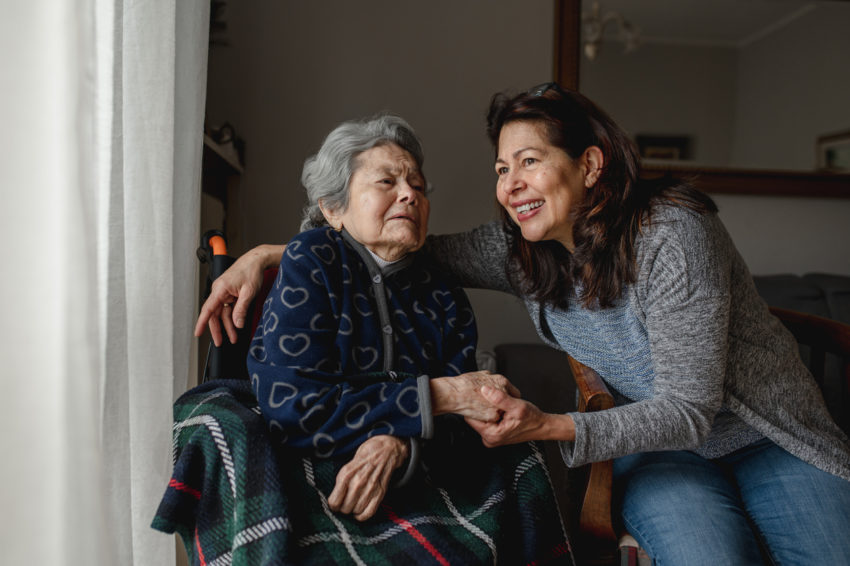
Latinos spend $7,167 a year caring for aging loved ones, says an AARP survey. While this is actually less than what Whites caregivers spend out of pocket a year ($7,300), the financial strain is greater because it represents almost half the income of Latino caregivers, according to the report. Currently, over 48 million Americans provide unpaid care to an adult family member or friend who has a physical health condition or a mental health issue like Alzheimer's and dementia. Most caregivers say they use their own money to look after their loved ones, like rent or mortgage payments, home modifications like wheelchair ramps, and medical costs. "About half of caregivers say they have experienced financial setbacks. This may mean they have had to curtail their spending, dip into ...