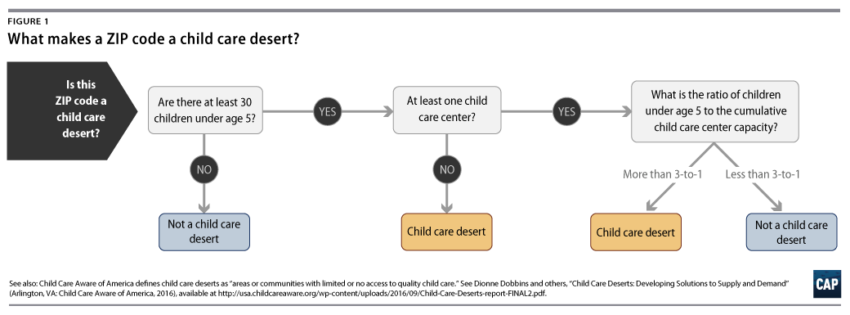
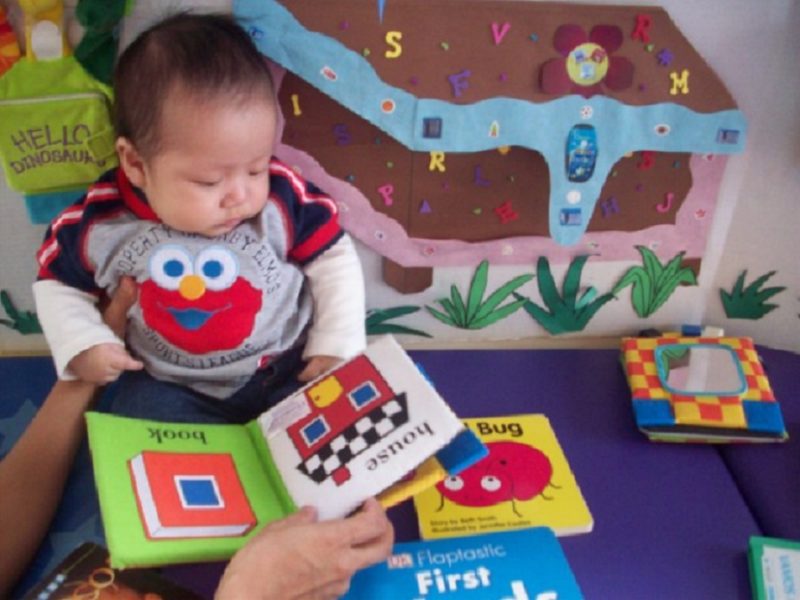
Although research has shown the many health, social and emotional, and cognitive benefits of quality early child care and education, Latinos have the lowest participation in these programs. Why? Child care deserts may be the answer. Although affordability, work schedules, and waiting lists are also factors, location is often the first major consideration for families. Center for American Progress looked into the location of child care centers across eight states, which accounts for 20% of the population under age five. The authors define child care desert as a ZIP code with at least 30 children under the age of five and either no child care centers so few centers that there are more than three times as many children under age 5 as there are spaces in centers. See ...
Latino students sometimes struggle to continue their education, which can hinder their long-term life outlook. In San Antonio, TX (63.34% Latino population), many students have counted on the Upward Bound Program from the U.S. Department of Education to help prepare them for college. However, according to the San Antonio Express-News, funding for the program – which has been in operation for the last 20 years in the city’s primarily Latino-populated South San Independent School District (SSAISD) – has been cut and was in danger of not continuing. According to reports, 64 SSAISD students participate in Upward Bound. “[That] number probably would have increased to about 100 had there been enough funding to continue the program this year and recruit a new freshman class ...
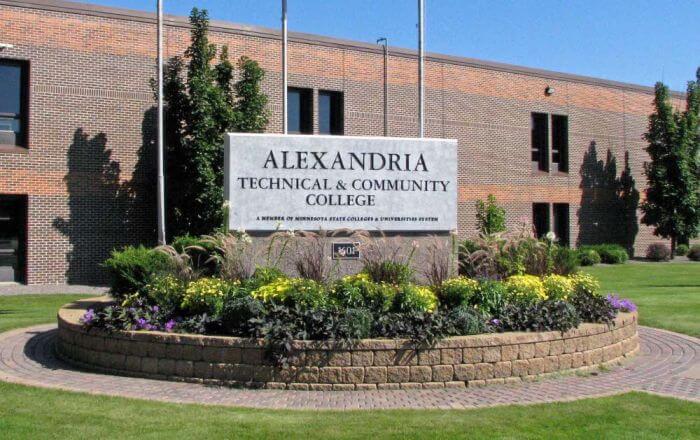
Latino children may have education disadvantages when starting kindergarten. Head Start, which is free for low-income families, may help to improve school readiness with curriculum to enhance children's language, pre-literacy, and social-emotional skills. In 2015, the Department of Health and Human Services Head Start passed new performance standards increasing the minimum program hours. This is great for kids and families, but a challenge for providers due to limited space. In Alexandrian, Minnesota, half-day classes could share the same facility, one in the morning and a second in the afternoon, but didn't have the space to offer full day programming for both classes. They needed more space. Jim Haugen, Head Start Supervisor approached Alexandria Technical and Community ...
California educates about one in eight U.S. students. In 2013, Governor Jerry Brown signed the Local Control Funding Formula (LCFF) into law, which is the most comprehensive school funding system in 40 years. The LCFF provides more equitable school funding with local flexibility and greater community engagement with the goal of reducing the achievement gap in education. Early child education provides the highest impact in preventing achievement gaps. Many families in California feel like they aren't being adequately served by local early child care providers and want school districts to step up and take responsibility for early child education. However, funding requirements and expectations are complex, and many school leaders don't understand what is available to them or ...
Latinos have historically lagged behind whites in education. They have made strides, like a declining dropout rate and increased college enrollment, but are still more disconnected (not in school, not working) and lag in college completion. Education is key to health, income, and the economy. That's why the financial website WalletHub analyzed 150 U.S. metro regions with nine factors—like public school quality and college graduate rates—to find the "most educated" and "least educated" areas. Unfortunately, the five least-educated areas were all heavily Latino. The McAllen-Edinburg-Mission metro area in South Texas (85.77% Latino) was the least educated city in the country. The area came in 150th on the Educational Attainment and 104th on the Quality of Education & ...
A simple assignment has the power to sharply increase Latino middle-schoolers' chances of getting to college, researchers have found. The assignment? Write essays about your core values and why they are important to you. For the past few years, Stanford University-led researchers followed 81 Latino, 158 black, and control students in middle schools who wrote these types of essays—which can provide "self-affirmation," reinforce adequacy, and add resilience, John Timmer reports in Ars Tecnica. Researchers then compared these essay writers to other students who wrote on neutral topics, like their afternoon routine. For Latinos, the self-affirmation essay writers cut their risk in half of ending up on the remedial track, and they were more than twice as likely to end up ...
A brain aneurysm changed the life of María Emilce López forever—for the better. While a grad student at the University of Minnesota in the 1990s, the Argentine native’s severe headaches led her to be rushed into surgery to treat what turned out to be a brain aneurysm. This was her first, very scary brush with the American medical system. After her ordeal, she decided it was time to help others who might be in a similar position. López, now a senior teaching specialist at the University of Minnesota, helped create new medical Spanish classes that not only teach cultural competency, but also had a unique requirement of students. Update 6/19/20: López passed away in June 2020. Our thoughts and prayers are with her family.
Navigating a health crisis María Emilce ...
Uniting the Latino community together with university researchers will—in theory—increase the well-being of this at-risk population. That's the idea behind the new Latinx Community-University Research Coalition of Indiana. The coalition seeks to bring together Indiana University-Purdue University Indianapolis (IUPUI) faculty and staff, policy leaders, and community leaders to promote research and programmatic collaborations that are respectful of the needs, cultural identity and interests of the Latino population while removing barriers, according to a news release. Indiana's Latino population has grown from 1.8% in 1990 to 3.5% in 2000, to 6.0% in 2010. The number already had increased further to 6.7% by 2015. "We are all interested in increasing research ...
Not all kids start kindergarten equally prepared to succeed. By a child's third birthday, 85% of their brain is fully developed. Children of migrant workers and Latino children growing up exposed to adverse childhood experiences, such as domestic violence, substance use disorder, neglect, and poverty, as well as limited access to healthy food and safe places to play, are at increased risk for developing physical, mental, behavioral, psychosocial, and/or cognitive issues. High-quality early childhood programs can help level the playing field for Latino children on vocabulary and on social and emotional development. With federal funding, the East Coast Migrant Health Start Project serves 3,145 children annually through 26 Head Start centers in Alabama, Florida, North Carolina, ...