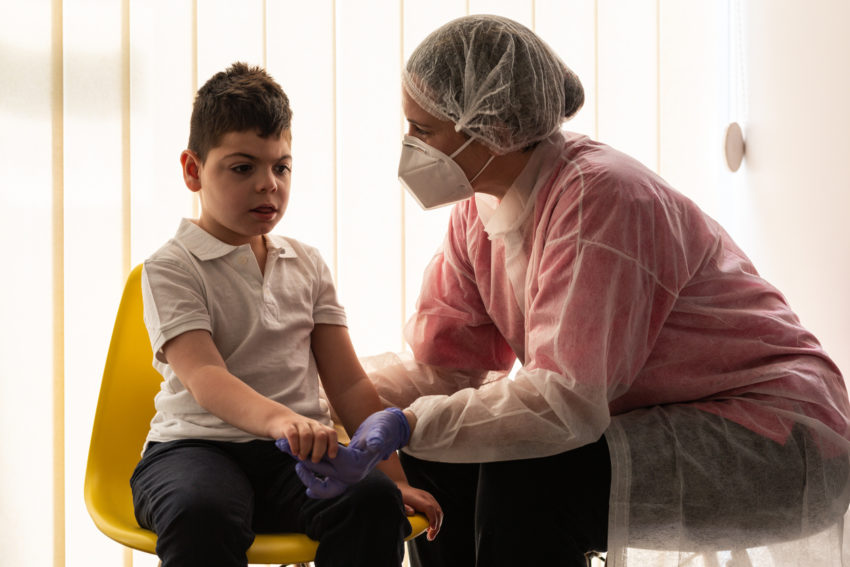
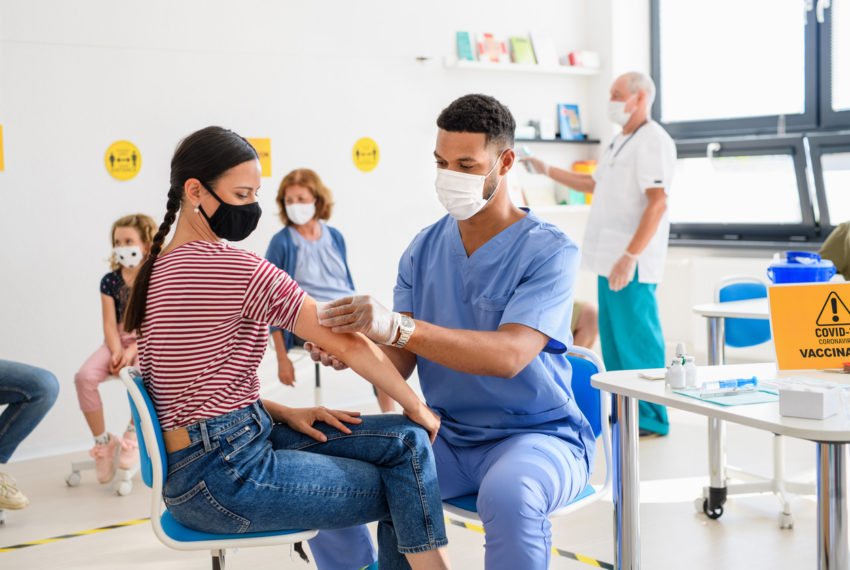
We know that COVID-19 can impact anyone. But some people are more likely to be infected based on their jobs, living situations, and health conditions. One of those groups is people with disabilities. People with disabilities are highly impacted by COVID-19. Latinos with disabilities are at even higher of a risk. Advocates are asking state health departments to prioritize people with disabilities to get the COVID-19 vaccine, but most states are keeping the initial phases to people over 65, regardless of chronic illness. How are people with disabilities affected by COVID-19 and how can we advocate for equity?
How are People with Disabilities Impacted During COVID-19?
One way that people with disabilities are impacted by COVID-19 is through potential exposure from home care ...
Did you know that Latinos represent 18.5% of the U.S. population, but are less than 10% of those in federal cancer and drug studies? This makes it hard for researchers to create treatments that work best for Latinos, which in turn, can help all people. To engage more people in research, the Salud America! program has received a three-year, $650,000 grant from Genentech, a member of the Roche Group, to create tailored recruitment strategies for clinical trials in cancer treatment and Alzheimer’s disease. Salud America!, established in 2007, produces multimedia research, tools, and stories to fuel its digital network—over 400,000 moms and dads and health, community, and school leaders across the nation—toward healthy changes that ensure everyone has a fair opportunity to be ...
Chronic liver disease can wreak havoc on the body, especially when there is a viral illness spreading worldwide. People suffering from Non-alcoholic Fatty Liver Disease (NAFLD) are roughly three times as likely to die from coronavirus than those who did not suffer from any liver disease, according to a recent study done at Sheba Medical Center. "It's possible that the coronavirus damages the liver similarly to the way in which it attacks the lungs," Professor Ziv Ben Ari, head of the Center for Liver Diseases at Sheba Medical Center, told The Jerusalem Post. "It is also possible that the damage to the liver is done by the medicine given to the patient to treat COVID-19 or an immunological reaction caused by the virus, which causes a Cytokine storm, which causes a liver ...
You might know that health inequities, such as a lack of access to health care, housing, or transportation, prevent Latinos and other people of color from getting a fair opportunity to live their healthiest. These inequities can cut deeply, and for a long time. Some experts compare these inequities to a “chronic wound” that doesn’t heal in a timely or expected way, with both little progress and many long-term health consequences. Let’s use #SaludTues on Feb. 2, 2021, to tweet about how advocates, planners, and other leaders can take action to solve the chronic wound of health inequities! WHERE: Twitter
WHAT: #SaludTues Tweetchat “The Chronic Wound of Health Inequities”
WHEN: 1-2 p.m. ET (12-1 p.m. CT), Tuesday, Feb. 2, 2021
HOST: Salud America! at UT ...
As we fight the COVID-19 pandemic, we have to make sure we’ve got all the right facts. Public health experts are seeing a lot of misinformation about COVID-19 spread on social media. Whether conspiracy theories or jokes about side effects, experts are concerned about the implications it could have. Misinformation could especially hurt Latinos, who are being disproportionately hurt by the COVID-19 pandemic and have shown hesitancy about receiving the COVID-19 vaccine. “It’s the repetition [of misinformation] that worries me,” said Eveyln Pérez-Verdía, a strategist who tracks Spanish disinformation, according to NBC News. "People are seeing this constantly.” What is some of the misinformation being spread about COVID-19? Let’s check the myths and facts. UPDATE ...
Alzheimer’s disease is an illness that affects the lives of many, and it impacts some Americans more than others. In fact, studies show that U.S. Latinos are 1.5 times more likely to develop Alzheimer's than their White peers. That number is only going to get worse over time if dedicated action isn't taken. The number of Latinos living with Alzheimer’s is projected to grow from 430,000 in 2014 to 3.2 million in 2060. That is more than an alarming seven-fold increase. Yet Latinos are underrepresented in clinical research across the board. Fortunately, Texas officials and researchers are working on this issue.
How Big a Problem is Alzheimer's Disease in Texas and Among Latinos?
The problem is huge in Texas, according to the experts. "In Texas in 2019 alone, 1650 ...
January is Cervical Health Awareness Month. Each year, more than 13,000 women are diagnosed with cervical cancer in the United States. This cancer is hurting communities of color, with Latinas being at a high risk of being diagnosed. But cervical cancer is preventable. Stopping cervical cancer for all communities means education about the causes, prevention, and treatment of HPV and cervical cancer. Join #SaludTues on Jan. 19, 2021, at 1:00 PM EST to tweet about what we can do to stop cervical cancer. WHAT: #SaludTues Tweetchat: “What Can We Do to Stop Cervical Cancer?”
DATE: Tuesday, Jan. 19, 2020
TIME: 1:00-2:00 p.m. EST (10:00-11:00 p.m. PST)
WHERE: On Twitter with hashtag #SaludTues
HOST: @SaludAmerica
CO-HOSTS: Cervivor (@IamCervivor), ...
Even in a pandemic, we still have a lot to smile about. We all care about our parents, sisters, brothers, niños, and our abuelos. We want to make sure they are the healthiest they can be, and that includes their oral health. So let’s use #SaludTues on Jan. 12, 2021, to tweet about how we can help people of all ages improve their oral health and be able to flash those healthy smiles for a lifetime! WHERE: Twitter
WHAT: #SaludTues Tweetchat “Improving Oral Health across the Latino Lifespan”
WHEN: 1-2 p.m. ET (12-1 p.m. CT), Tuesday, Jan. 12, 2021
HOST: Salud America! at UT Health San Antonio (@SaludAmerica)
CO-HOST: Campaign for Dental Health from the American Academy of Pediatrics (@ILikeMyTeeth), Hispanic Dental Association (@HDAssoc), Oral Health Forum ...
Dr. Amelie G. Ramirez, director of Salud America! and the Institute for Health Promotion Research at UT Health San Antonio, discussed breast cancer in a livestream interview for the Alamo Breast Cancer Foundation at the San Antonio Breast Cancer Symposium on Dec. 7, 2020. Watch the full interview (in Spanish). Ramirez has led breast cancer research among people of different backgrounds for over 20 years. She has studied patient navigation, genetic testing, clinical trials, quality of life, and survivorship issues. "Cancer prevention is a critical way to save people’s lives today," said Ramirez, who also hosts the biannual ASCL conference. "If we applied what we know works through prevention, we could reduce cancer by half."
Dr. Ramirez & Her Health Promotion ...