Jessie Fisher and her nonprofit food pantry, the Randolph Area Christian Assistance Program (RACAP) aim to provide a week’s worth of healthy food and toiletries to families in need in Schertz, Texas (29.3% Latino). But when food demand grew faster than the supply, Fischer and RACAP had to think quickly. They set up partnerships to gather leftover food from restaurants and grocers, pick up unwanted fruit from residents’ yards, and receive meat donations from hunters. They also launched food drives that yielded thousands of pounds of healthy food for Latino and other families during high-demand summer times. Did it work?
Food Insecurity in Schertz Schertz, Texas (29.3% Latino population) is a fast-rising, increasingly Latino (18.1% in 2000 and 26.6% in 2014) community ...
When city leaders in Loretto, Tenn. (2% Latino) began discussion of closing the city's only pool, residents turned to social media to stay informed and engaged, and they won. Swimming may be most the promising activity to get and keep Latino kids active in and out of school. In 2011, the Loretto City Pool closed because of safety concerns. In early 2013, Loretto residents started a Facebook page to get a new pool built. Through the “Save the Loretto City Pool” Facebook page, residents stayed informed of city council meetings and project updates and encouraged each other to attend public meetings. The Loretto Parks and Recreation Department conducted a needs assessment asking residents what the top three priorities were over the next five years when it comes to parks and ...
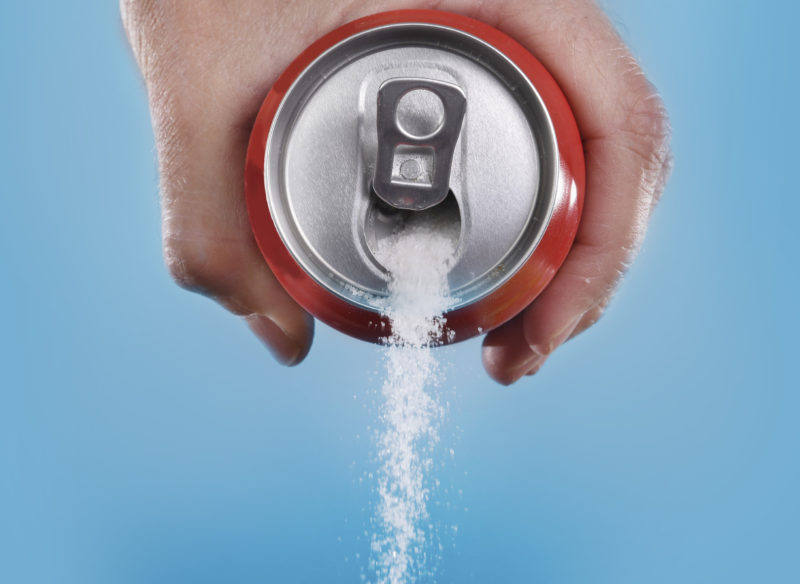
Young children often look to their parents for guidance in many things, but a new study now suggests that what a parent drinks in front of their child could make a major impact on their child's health. The study, reported on by The Guardian, looked at four-to-eight-year-olds whose parents drank sweet drinks. Kids whose parents drank fizzy drinks were 192% more likely to drink the same beverages as their parents than other kids their age, 115% more likely to drink fruit juices if their parents did, and 529% to drink smoothies if their parents drank smoothies. Sugary beverages like sodas, sports drinks, juices and other sweetened beverages have been linked to higher rates of diabetes, tooth decay, and other major health risks.Latino kids ages zero to five is higher than the overall ...
Combo meals at fast food joints are usually not a healthy option, often including a sugary beverage, one or two fried sides, and a high-calorie, low nutrient main entree, but recent studies now suggest that excluding sodas from kids meal may make the healthier the choice the easier choice for kids and parents on the go. According to research published recently in the American Journal of Public Health online, kids meals that include a sugary beverage as part of the meal, add up to 82 more calories on average for each kids meal. Also, parents who buy kids meals where the price includes a beverage usually opt to choose a high-calorie, sugar-sweetened beverage rather than a sugar-free drink or no beverage. Researchers suggest from the findings that restaurants should ungroup sodas ...
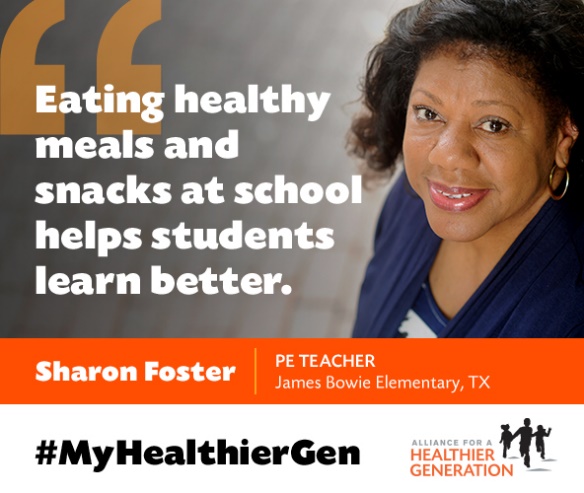
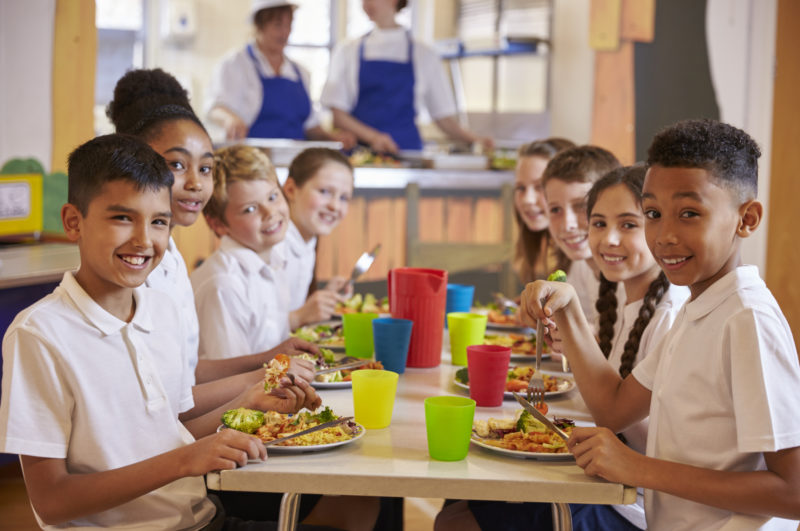
Today kicks off the National School Lunch Week, helping to provide awareness and support for National Farm-to-School Month throughout October and to share and support schools who are implementing healthy school food efforts all year round. Considering that students eat more than half of their daily calories at school, nutritious school food plays a vital role in the development of healthy students and healthy eating habits. This is even more true for Latino kids who often are in schools that don't always implement healthy foods and snacks in schools, studies show. To learn more about how school meal programs have encouraged healthy eating decisions among students insights were gathered from a panel of school nutrition leaders commissioned by the Kids' Safe and Healthful Foods ...
The food you eat influences your cancer risk. The new Rx Cookbook: Cancer-Fighting Recipes, Restaurants & Markets aims to help people reduce their cancer risk with recipes based on an anti-inflammatory diet, developed by a chef and researchers at the University of Texas Health Science Center at San Antonio. Inflammation is the process your body uses to protect itself in response to infection or injury, adding nourishment or immune activity. When inflammation is chronic or unresolved, it can increase cancer risk. The Rx for Better Breast Health study, led by Drs. Amelie G. Ramirez, Michael Wargovich, and Rong Li, gave local breast cancer survivors cooking classes, counseling, and biomarker assessments to test the effects of an anti-inflammatory diet on preventing cancer ...
Since 2012, Minnesota (5.2% Latino) school districts have been working to expand farm-to-school fresh food options within school lunches, buying local fresh fruits and vegetables and serving up whole-grain fresh bread. Over 27 kitchens within the state now offer fresh, cooked from scratch meals, Bertrand Weber, Minneapolis Public Schools Nutrition director explained to the StarTribune. A department of agriculture had help invest over one million dollars in over 57 districts to help support schools to upgrade their kitchens, buy local produce, make fresh meals and serve more nutritious options. However, a poll taken by Blue Cross Blue Shield of Minnesota found that 69 % of parents still worry about physical activity and healthy food access for their students while they are at ...
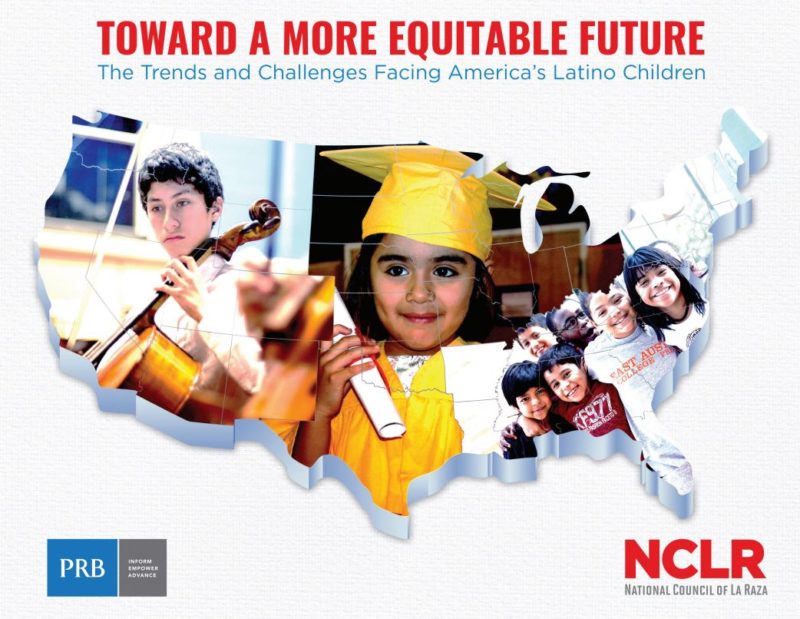
A new report from the National Council of La Raza (NCLR), using national data, found that the Latino high school graduation rate rose to 78% in 2013 compared to 2007. Toward A More Equitable Future: The Trends and Challenges Facing America’s Latino Children is a new report released by the NCLR which utilized nationally gathered data to shed light on the true state, good and bad, of Latino children in the United States. “When people don’t want to do something, they hide behind data,” said Lori Kaplan, head of the Latin American Youth Center in Washington, D.C. at a recent news event announcing the report. “They say ‘show me the data.’ But smaller operations usually don’t have the resources to gather data to prove that what they know to be true through ...
Why do sodas and other sugary drinks like sweetened coffees, teas, and energy drinks make us more thirsty and want more? We need hydration and water is they key to healthy hydration. Drinking more water and less sugary beverages can help our bodies in numerous ways shows various studies. So now what should we do? How can we fight the urge to sip on our favorite sweet drink? Join the Center for Science in the Public Interest (CSPI) and FoodStand as they challenge you to drink "Less Soda". The Foodstand app is free to download and you can get great tips, shopping lists, recipes and more to help you kick the can or the sweet beverage of your choice!
Foodstand also helps people build healthier eating habits through community-powered challenges primarily focused on eating less ...