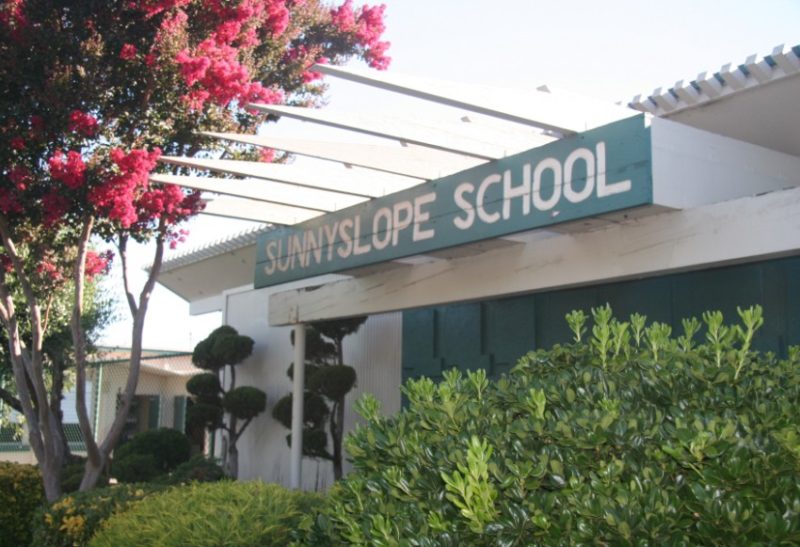
Students in the Sunnyslope school in Hollister School District within Hollister, Calif. (65% Latino) were introduced to a fresh school salad bar yesterday as a new partnership blossomed. Sunnyslope school the Hollister School District will now get to enjoy fresh local grown produce from the Grower-Shipper Association Foundation as a partnership between the district and the Grower-Shipper's Foundation are working together to fight against childhood obesity in the school environment through giving more kids access to fresh vegetables in local schools. "It is an amazing sight to not only see the students excited about salad but also enjoying it as a healthy lunch option," Joe Rivas, Sunnyslope's principal told local news source BenitoLink. It's true, Latino-majority schools often ...
Kids who receive physical education (PE) in school are more active outside of school, according to the Physical Activity Council (PAC) 2016 Participation Report. The PAC annually tracks US participation in 120 sports, fitness, and recreation activities and also found that all age groups rate swimming for fitness in their top three favorite interests among 10 different activities. According to the 2016 Participation Report, children ages 6-17 rate swimming as their second favorite interest behind camping. Individuals ages 25-35 rate swimming as their number one interest among camping, bicycling, hiking, running, canoeing, backpacking, working with machines, working with weights or kayaking. Read more about why swimming in school may be the most promising physical ...
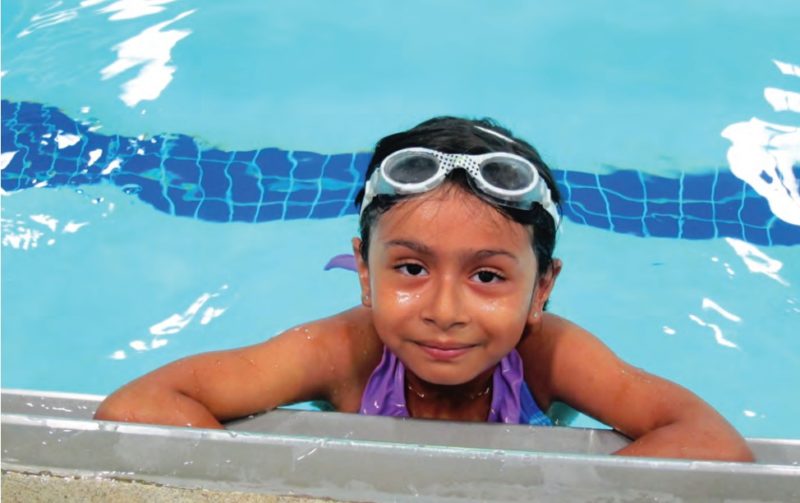
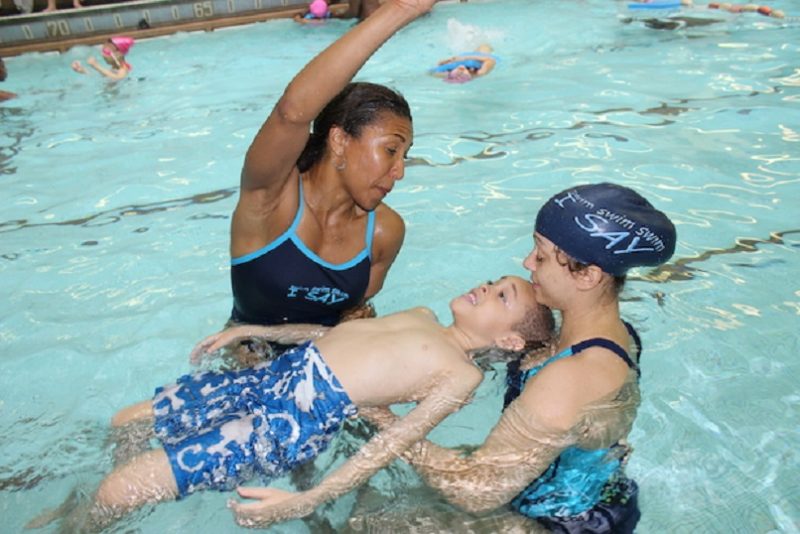
Swimming in school may be the most promising physical activity to get and keep Latino and all kids active in and out of school. Kids who receive physical education (PE) in school are more active outside of school, according to the Physical Activity Council (PAC) 2016 Participation Report. This is particularly relevant for Latino kids who are at increased risk for heart disease, diabetes, and other chronic diseases related to inactivity. The PAC annually tracks US participation in 120 sports, fitness, and recreation activities and found that all age groups rate swimming for fitness in their top three favorite interests among 10 different activities. For example, children ages 6-17 rate swimming as their second favorite interest behind camping. Individuals ages 25-35 rate ...
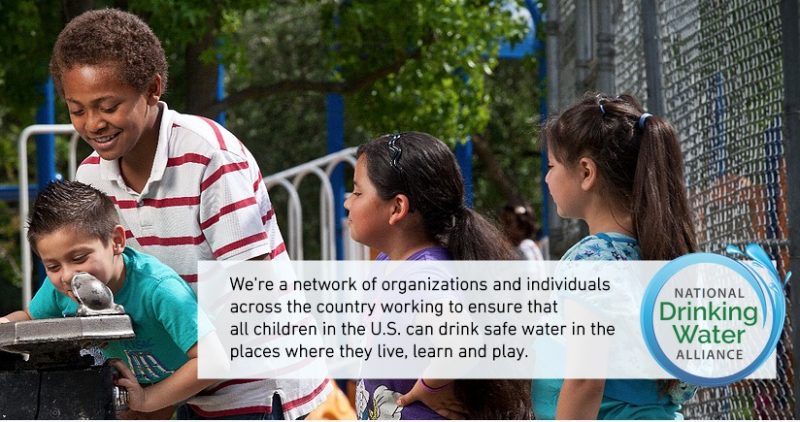
The National Drinking Water Alliance (NDWA), a coalition of nonprofits, academic institutions, advocates, and individuals, works to ensure that all children are able to access safe water in the places where they live, learn and play. The NDWA recently launched its new online resource clearinghouse for drinking water research, policy, access, and education. DrinkingWaterAlliance.org provides users with hundreds of useful tools, research studies, fact sheets, promotional materials and policy papers, as well as the latest developments in the field. Together, we can improve access to drinking water in childcare centers, use local school wellness policies to improve water quality, educate families and help people pledge to drink water instead of sugary beverages – and much ...
Despite the number of American living in poverty having fallen by over 3.5 million in 2015, there are still more than 43 million struggling to overcome financial hardships. The metro area in which poverty rate is the highest is heavily Latino populated Brownsville-Harlingen, Texas (89.9% Latino population). Nearly 33% of the area’s 245,000 live below the poverty line, 24/7 Wall St. reports. South Texas accounted for the top three cities on the list. Reviewing data from the U.S. Census Bureau to determine which cities had the highest poverty rates, a list of 56 was created. The cities were chosen based on the basis of their being more than one in five residents living in poverty. In order to reduce health disparities, it is critical to address inequities in programs, ...
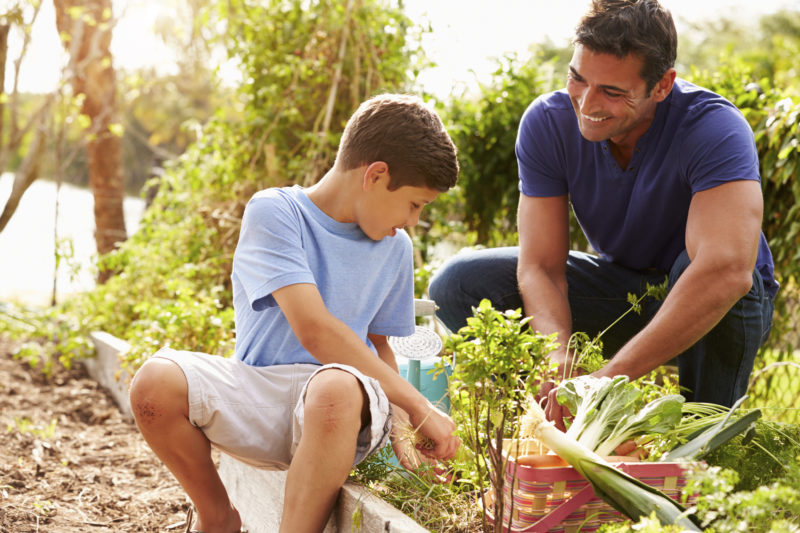
Do you have a home or small urban garden? Compost pile? According to a new study, you may be helping the environment and reducing climate change. Researchers from the University of California at Santa Barbara studied how well-tended gardens for every family home in California may help increase the chance of the state reaching its goal of reducing emissions by 2020. The study reveals that anyone who gardens in their home or backyard could help contribute to reducing two pounds of carbon emissions for every pound of homegrown vegetables consumed. Latino's often miss out on gardening opportunities or fresh food access in their neighborhoods, studies show. Reducing access to growing healthy foods could also increase the high risks that Latino's already face in dealing with ...
City parks worker Michael Baldwin saw rampant physical inactivity and disease in San Antonio, Texas (68% Latino). To help, he wanted to attract people to existing health programs and services in city parks. Baldwin and his team, through local collaborations, developed Fit Pass, a city-wide scavenger hunt for wellness and physical activities. People can download a phone app or a bilingual Fit Pass passport that can be stamped for attending some of 2,300 activities across San Antonio parks, incentivizing Latino families to get physically active and play in parks. Physical Inactivity in San Antonio
Michael Baldwin, special projects manager with the City of San Antonio Parks and Recreation Department (Parks Department) in San Antonio, Texas, has helped develop and implement ...
Cardenas, an Ontario-based grocery chain in Riverside County (47.9% Latino) that markets it's products to Latino shoppers, are now changing their store's checkouts, offering healthier snacks after listening to shoppers like Alejandra Padilla. Why? Padilla, a Latina mom of three, wants the checkouts to be filled with healthy convenient options like apple slices, nuts, trail mix and water, as many times she must deal with their kids wanting the unhealthy candy and soda's displayed at checkouts, she explained to Press Enterprise. Latinos are often more at risk for health problems like Type 2 diabetes, heart disease, obesity, and other diet-related diseases the American Heart Association reports, but encouraging healthier foods, may help play a part in decreasing diet-related ...
Bilingual efforts in educating students about the benefits of living a healthy life are changing Colorado (21.3% Latino) charter schools statewide. The Colorado Health Foundation joined up with the Colorado League of Charter Schools to focus on health and wellness in schools. The way the program works is allowing nearby charter schools to collaborate with each other and create "pods" that are more sustainable, Rainey Wikstrom explained to Watchdog. Working in school wellness since 2004, Wikstrom has since then been a leader in increasing healthier school food, physical activity and teacher training for schools in the area. The program creates these hubs of health, allowing up to three charter schools to write a grant together, collaborate with each other and see what models ...