Pediatrician Vanessa Salcedo, M. D. learned early through her career the dangerous health risks linked to sugary beverages, like heart disease, diabetes, and obesity. Many Latinos in New Yorks Bronx area (17.6%), deal with health problems like high blood pressure, obesity, high cholesterol, and diabetes. While in residency Salcedo choose to stop drinking sugary beverages like soda to be an example to her patients, and now the clinic has become a sugary drinks-free zone. Salcedo explained to the American Heart Association, that the patients rely on her and the other doctors, and they all wanted to be role models in creating a healthy place, free of sugary drinks. The doctors at Union Community Heath Center's six clinics discuss sugar content in drinks to their patients, ...
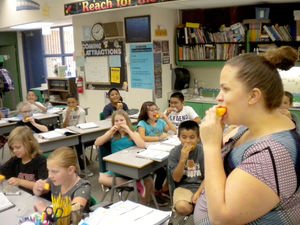
Want a healthy break at school? Why not bite into fresh fruit. Students in some Arizona schools are now enjoying the fresh apples, cantaloupes, and other fruits and vegetables offered as part of the Dept. of Agriculture's Fresh Fruit and Vegetable program, started back in 2002. The program has opened in 94 schools in Arizona with $3.7 million dollars allocated in helping to reimburse school's healthy snack purchases, that can then be disbursed to students throughout the day during class times. Casa Grande Elementary School District (65.7% Latino) is thrilled to enjoy the fresh produce in class, like string beans, and exotic star fruit. The schools that have applied for the program are hoping to encourage students to increase healthier snacking selections even when outside ...
Maria Silva is a registered dietitian and educator in St. Vincent de Paul’s bilingual Family Wellness Program in Phoenix (44% Latino). The program shares its services online on its website, and at local health fairs. But Silva noticed many local people had no Internet access or did not know about the health fairs. They missed opportunities to benefit from the program and free services offered. What other way could Silva promote program awareness and offer nutritional advice, healthy recipes, and healthy eating tips? She found the answer in an old-school magazine.
The Program and the Magazine
The Family Wellness Program began in 1999. It aims to boost the health of local Latino families, from a provision of medical and dental care to healthy lifestyle services for ...
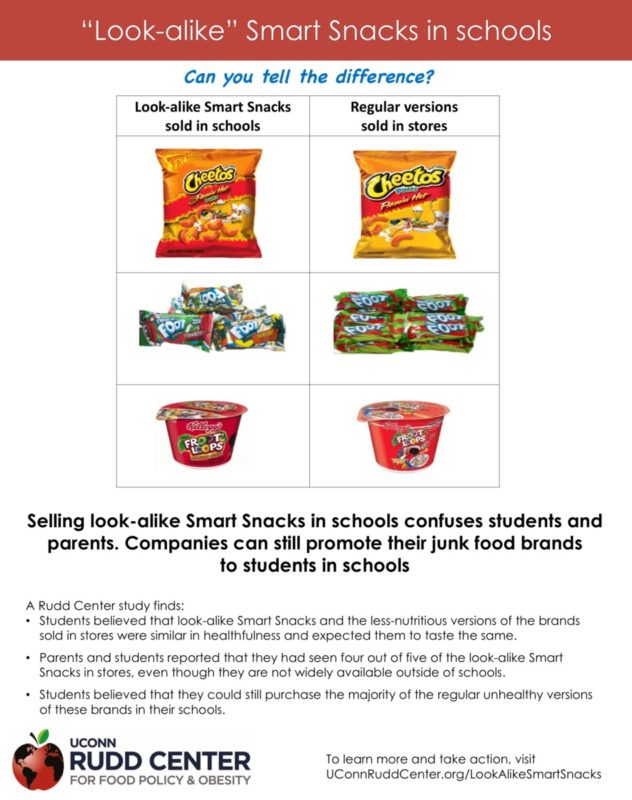
The UConn Rudd Center just released a study today in the Journal of Obesity, looking at how healthier snacks that are "smart-snack" approved, can change the attitude about the food brand and confuse parents and children when shopping for healthier snack options. The study examines how parents and children rated look-alike snacks in taste, healthfulness, and purchase intent. Smart Snacks were considered healthier, but less tasty, however, many parents and kids believed they had seen similar products for sale in stores. This can be a challenge for parents looking for the healthier options in stores, believing that the "copycat" or "look-alike" versions of junk food are in fact, approved by Smart Snack regulations set by the U.S. Department of Agriculture in 2013. Schools are ...
Need to figure out what to do in your school to have safe and clean water access and encourage everyone to drink more water? Watch the video webinar to learn more about how the Wisconsin (58% overweight or obese) created the Wisconsin Oral Health Coalition that has helped with initiatives to increase water consumption, reduce tooth decay and ensure students have access to safe and appealing water resources in schools. Through watching the webinar viewers will: Have a basic understanding of the need to decrease consumption of sugary drinks to increase oral health and reduce tooth decay or cavities
Know about recent research of how low-cost water initiatives bring benefits in the help to fight childhood obesity & tooth decay
Have tools and a guideline to help advocate ...
Guillermina Rice, like many Latina moms, cares about her 13-year-old son, Aero's health. After helping watch over kids during recess, Rice realized that some kids were being discriminated by other kids because of their weight, she decided to do something. Rice, coming from a family with a history of Diabetes, knows the importance of healthy eating and drinking water. She volunteered with the Central Elementary Schools staff to draft a food and beverage policy for birthday celebrations at school, encouraging parents to bring healthy options, like fruit and ditch the soda, candy, and cakes that are usually served at school celebrations. But she didn't stop there. After working with California Project LEAN, Rice learned about the large amounts of sugar that are in leading soda ...
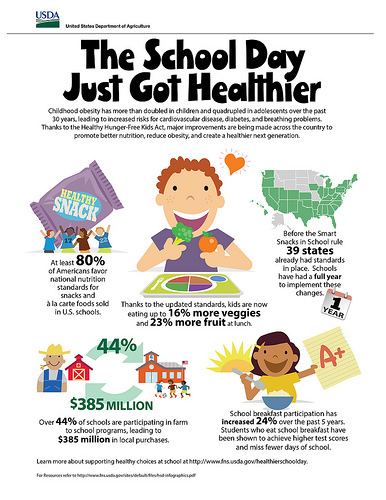
The new U.S. Department of Agriculture (USDA) guidelines for Smart Snack in Schools is working to help students have healthier snacks in schools, encouraging schools to stop selling foods high in unnecessary sugars, salts and fats like candy bars, sodas, and fried foods. In fact, new recommendations from the American Heart Association reveal that children and teens should consume less than 6 teaspoons of sugar a day. Are Smart Snacks in your school? Each snack offered must meet guidelines set by the USDA, including but not limited to sugar, salt, fat and calorie limits. Beverages are limited in schools as well, no soda is allowed to be sold and only 100% fruit or vegetable juice is allowed, although some juices still contain high amounts of natural sugars. Find out more ...
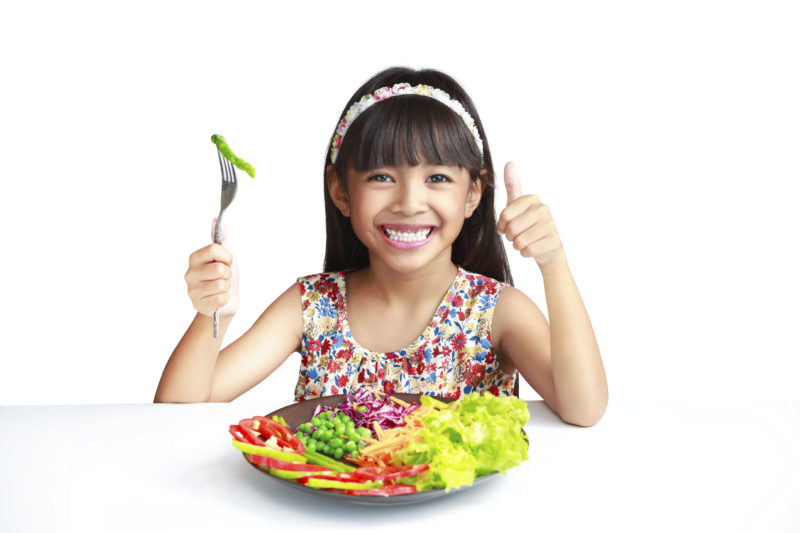
Fresh fruits and plenty of vegetable options will now be offered in Duncan Public Schools in Stephens County, Oklahoma (7.3% Latino) starting this school year, according to a local article. The school is planning to continue following federal requirements on the menus but also plans to join a co-op of other school districts that will help the school save money and have greater purchasing power for healthier choices. Children eat almost half of their daily calories at school, so it is important to offer healthier options like fruits, vegetables, and whole grains.
The school will allow children to not only have a fresh salad bar daily but also offer students two to three choices of vegetables and fresh fruits.
Researchers from the Center for Disease Control and Prevention have ...
Many schoolyards are locked up after classes end. That means many kids, especially in Latino neighborhoods, miss out on a great chance for the physical, emotional, and social benefits of physical activity and play. Want your district to consider an Open Use Policy so local residents can play and be physically active on school fields, playgrounds, and similar facilities after class? Download a free toolkit from Salud America! to start the conversation! Our 2-page toolkit, 4 Easy Steps to Push for Open Use at Your School, outlines how to ask your local school leaders to consider creating an Open Use Policy. This type of policy allows a school to formally grant public access to its recreational facilities, such as fields, outdoor courts, gyms, and pools, and set up roles and ...