A new study shows how arrows directing grocery store shoppers may help them choose healthier foods. According to a study from the Society for Nutrition Education and Behavior, the use of six feet by three feet green arrows with text inside stating, "please follow this green arrow for a healthy heart, or a healthy weight" directed consumers to the fresh produce aisle and helped them choose more produce. These green arrows were part of a study on nutrition interventions using non-traditional marketing on the floor of a grocery store to influence consumers to choose healthier fruits and vegetables when purchasing foods, but not increase their overall budget for foods. "Considering that half of shoppers budgets are less flexible for unmet needs at the grocery store, we knew that we ...
Healthier foods are not always affordable or convenient, but the health risks of eating junk foods like chips, energy drinks and candy put many families at risk for diseases like heart disease and diabetes. To reverse the rising diabetic rates in Mexico, Mexico City put a 8 percent tax on high- calorie snacks to help reduce consumption and purchases of high sodium, high sugar snacks that have more than 275 calories per 100 grams of product. The tax has been successful in low-income and medium-income homes where a recent article from American Heart Association (AHA) explains that low-income families bought 10.2 percent less junk food, while medium-income households bought 5.8 percent less. Researchers from Mexico's National Institute of Public Health and the University of North ...
Various cities throughout the nation are thinking about soda taxes or working on reducing beverages like energy drinks, and unnatural juices in schools, and city vending machines. Now Raley's, a privately owned and family operated supermarket chain in West Sacramento will be removing name-brand sodas from their stores. The 121 stores are located in Northern California and Nevada under four names: Raley's Supermarkets, Bel Air Markets, Nob Hill Foods and Food Source. A recent article explains the decision to remove these type of beverages from the store was to advance their vision of health and wellness, wanting to "make it easier" for their costumers to make healthier choices. Latino kids ages 0-5 consume more sugary drinks than their peers, and about 74% of Latinos have had a ...
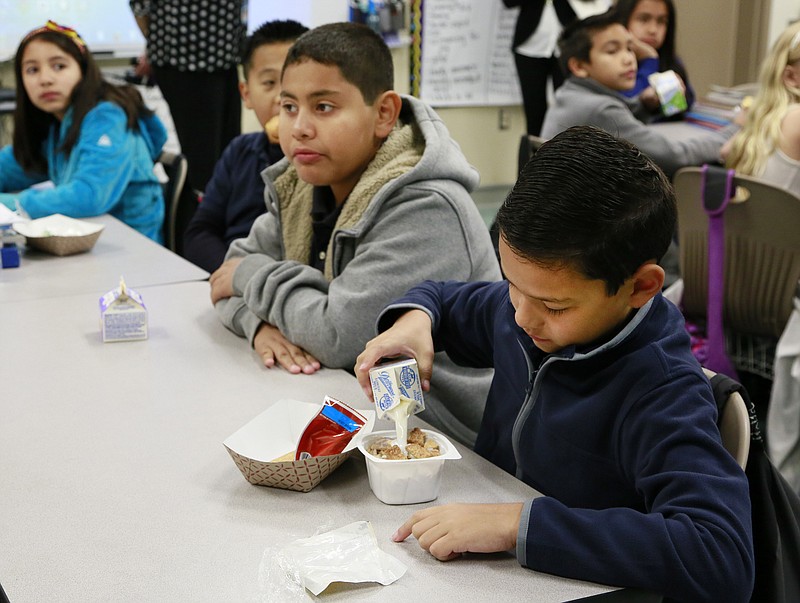
According to a new study by the Rudd Center for Food Policy and Obesity, researchers found that teens who didn't eat breakfast were at higher risks for obesity than those who ate two breakfasts. This is powerful for schools, as many are working to incorporate healthier foods and reduce sugary drink consumption among students to curb the rising rates of students with diabetes, obesity, and other chronic health risks. Researchers do not know the case as to why eating two breakfasts rather than none can help, but one theory was that students would not overeat later in the day, according to a recent article.
To read the full study, click here.
Copy & Share on Twitter: Two Breakfasts are Healthier than None Researchers Say ...
New reports on healthy foods in school meals show that there still remains issues for underserved children of color. The Centers for Disease Control and Prevention state that many children consume most of their daily calories- a third to a half- at school, making school one of the most important food environments that impact a child's future health. A recent report from the CDC looking at schools across the U.S. from 2006-07 to 2013-14, shows that more schools in the West have the availability of salad bars in their schools than all other regions and most schools serving socio-economically disadvantaged students were less likely to have salad bars. Also revealed in the report, were that many majority-Latino schools were less likely to offer fresh fruit in school meals. Latino ...
New urban farming policies in San Antonio have helped launch small businesses and urban farms across the city. Including, a new farmers market that has grown into San Antonio's Southside, where many Latino families live in poverty and lack access to affordable, healthy foods, like fruits and vegetables. According to the State of Texas Children report, 26% of children in Bexar County lack consistent access to adequate food, and Latino kids face a disparity in Texas, where rates of food insecurity exceed 30 percent. The foods offered at Urban Farm Stand are at a lower cost than most local grocery stores, explains a recent article, also noting that sixty percent of customers are returning to stock up on fresh local tomatoes, or sign up for the 25$ produce box that can be delivered to a ...
Many Americans take a large number of factors into consideration when choosing where they live. These factors include the quality of the schools in the area, the strength of the local economy, and the safety of the area. Still, most people do not control where they are born, live or move to. Millions of Americans find themselves living in cities that lack jobs, amenities, and security. Online magazine 24/7 Wall St. reviewed the data from 550 U.S. cities with populations of 65,000 or more according to the U.S. Census Bureau. Based on a number of variables, such as crime rate, employment growth, access to restaurants, educational attainment, and housing availability, the site identified the worst cities to live in. Income is highly associated with numerous social and economic factors. ...
A recent article reports that Santiago, Chile is working to combat obesity by providing consumers with warning labels on unhealthy foods. Chile deals with high obesity and diabetes rates. In 2014 an article reported Chile to be the fattest nation in the world, with 37% of boys overweight or obese and girls at 32%. The legislation passed back in 2012, will now be implemented with restrictions on advertising unhealthy foods to kids and also will indicate caloric content with black octagons and warnings showing high fat, sugar, sodium or caloric content. Latino kids in the U.S. also deal with higher diet-related diseases like diabetes and obesity. Studies show that incorporating guidelines in schools that restrict access to unhealthy foods and beverages positively impact ...
The National Restaurant Association (NRA) and the U.S. Air Force has partnered to bring Kids LiveWell meals to kids and families as part of the Air Force FitFamilies initiative. The Air Force FitFamilies initiative is a web-based goal incentive program for families, encouraging families to have active goals, resources, and recipes to increase healthy choices. The Kids LiveWell is the NRA's program created in partnership with Healthy Dining in 2011, which limits sugar, fats, and sodium and increases more healthy options for kids including fruits, vegetables, lean protein, whole grains and low-fat diary. Healthy Dining website also offers families workout videos, nutrition tips, and quick and healthy recipes along with tips from nutritionists on how to choose healthier options when ...