A new study from researchers at Tufts University and the University of Cambridge reports that eating more unsaturated fats or saturated fats in place of dietary carbohydrates lowers blood sugar levels and improves insulin resistance and secretion. According to the Mayo Clinic, healthy fats consist of mainly monounsaturated or polyunsaturated fats, like certain types of fish and nuts, as well as room temperature oils like olive oil, safflower oil, and peanut oil. Fats to avoid are found in beef, butter, shortening and pork. The findings of the study looked at 102 randomized controlled trials of over four thousand adults, who had meals that varied in types of amounts of fat and carbs. The study revealed that for each five percent of dietary energy switched from carbs to saturated ...
Having access to clean drinkable water and healthy fresh foods is vital in ensuring children grow up to be a healthy weight. New funds from the state's congressional delegation recently announced that $2.1 million in funds will go to help position new AmeriCorps members into volunteer services for the state. One organization called the Washington County Youth Service Bureau Boys and Girls Club, will help to ensure children of veteran and military families grow up to be a healthy weight. They will receive $325,000 for 26 volunteers, that will help to implement initiatives to help prevent childhood obesity in the state. More funds will also be used to help position AmeriCorps members in addressing problems in affordable housing, water quality, and veteran affairs. To ...
A new government study from the Centers for Disease Control and Prevention (CDC) state that teens are preferring water more often than soda. According to a recent article, the CDC surveyed teens in 2015, finding 74% of students drank one or more glasses of water a day, and 26% of students reported not drinking any sugary soda at all in seven days, up from 19% in 2007. President of the Center for Science in the Public Interest (CSPI), Michale Jacobson explained in the article that many campaigns have been educating parents and kids about the harms that soda consumption can lead to in one's health, leading efforts to reduce sugary drinks in schools, public vending machines, and with soda taxes, limiting students on these options and helping them to cut out sugary drinks from their ...
For decades artificial sweeteners have been a sugar substitute especially among Latinos and all people who have diabetes, but according to a new study, sugar alternatives may cause people to eat more and sleep less, Univision reports. For their research, investigators from Australia gave sucralose (a chemical present in many artificial sweeteners) to fruit flies and mice and discovered that both of these animals consumed more calories than those animals in a real sugar diet. According to the investigators artificial sweeteners cause a neuronal disequilibrium when the brain is tricked into thinking the body is consuming real sugar but the calories are not existent; thus forcing the brain to send the message to the body to eat more. “These results show us that food 'sugar-free' ...
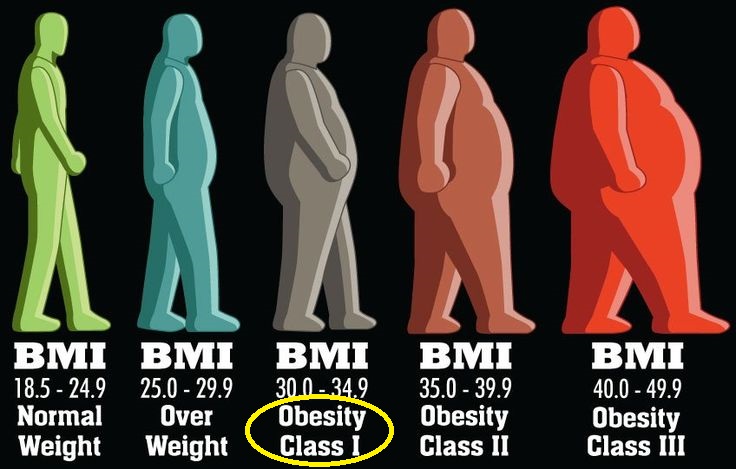
Early recognition of overweight and obesity, by family and physicians, is crucial, particularly among kids who have higher rates of obesity. However, many people, including many Latinos, don't understand how urgent childhood obesity is because of confusion between overweight and obesity and confusion about what obesity actually looks like.
Parents Underestimate Child's Risk
Parents, in particular, are often unable to correctly identify their child's weight status, thus underestimating their risk for many life-threatening diseases. Additional confusion, that leads to underestimation of health risk associated with obesity, is related to beliefs that big babies are healthier than small babies, and that kids will "grow out of" obesity.
Children Don't "Grow Out of" Obesity
Research ...
According to local news and a recent study of California school children, unemployment rates can increase a child's risk of becoming an unhealthy weight. Researcher and lead author of the study, Vanessa Oddo from Johns Hopkins Bloomberg School of Public Health in Baltimore explained that there is a trickle down effect that impact kids health. Researchers studied California's unemployment levels and house foreclosures from 2008 to 2012 along with heights and weights of 1.7 million school-aged children, more than half Latino, from the state's department of education. Students body mass index (BMI)'s were compared with economic indicators showing for every one percent increase in unemployment in a community, children had a 14% increase in BMI. However, foreclosure had a reverse ...
The state of Alaska has started the "Play Every Day" campaign to help boost physical activity and reduce sugary drink consumption among families across the state, where two out of three Alaskan adults are now overweight or obese and one out of three Alaskan children are overweight or obese. The new campaign asks kids to drink more water and understand that they don't need sports drinks to play sports. Public service announcement videos for families are also available on the campaign's website, talking about the sugar content in drinks. Posters inform students that even one sweet beverage a day, like a powdered drink, can lead to cavities, weight gain, and type 2 diabetes. The goal of the campaign is to help reduce consumption of drinks that have added sugars, but also to ...
According to a local news article, United Way of Central Ohio hoping to help Latino kids have healthier lives, noting from the 2016 Champion of Children report that reveals many of the challenges that Latino boys face. The report which includes local and national information finds that the growing population of Latino youth is living in high-poverty neighborhoods, limiting them to fresh food, quality schools, affordable housing and health care. Other barriers include language barriers, societal assumptions and cultural expectations of boys to work and contribute to the family. The report recommends that schools hire more Latino teachers, encourage Latino children to go into education careers and for teachers to become more culturally sensitive. Also recommended was for community ...
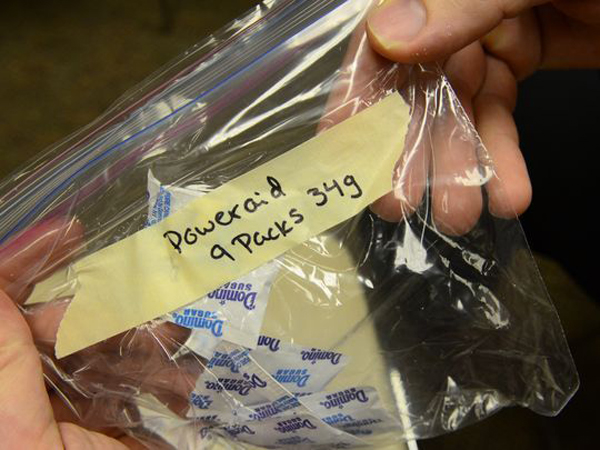
As visitors entered the public library in Clyde, Ohio, (5.9% Latino) students from Ohio State University (OSU) are encouraging them to think about the sugar amounts in their favorite sports drinks, coffee drinks, and juices, according to a local news article. The presentation was part of the "Rethink Your Drink" campaign aiming at helping library visitors to understand how sugary drinks impact their health. The presentations showed how Monster energy drinks contain 54 grams of added sugar or in regular terms, 14 packages of sugar, explained Katie LaPlant, the extension office's educator, according to the Fremont News Messenger. Research shows that consuming the added sugars in soda, sports drinks, and some juice drinks are linked to tooth decay, heart disease, Type 2 Diabetes ...