The National Restaurant Association (NRA) and the U.S. Air Force has partnered to bring Kids LiveWell meals to kids and families as part of the Air Force FitFamilies initiative. The Air Force FitFamilies initiative is a web-based goal incentive program for families, encouraging families to have active goals, resources, and recipes to increase healthy choices. The Kids LiveWell is the NRA's program created in partnership with Healthy Dining in 2011, which limits sugar, fats, and sodium and increases more healthy options for kids including fruits, vegetables, lean protein, whole grains and low-fat diary. Healthy Dining website also offers families workout videos, nutrition tips, and quick and healthy recipes along with tips from nutritionists on how to choose healthier options when ...
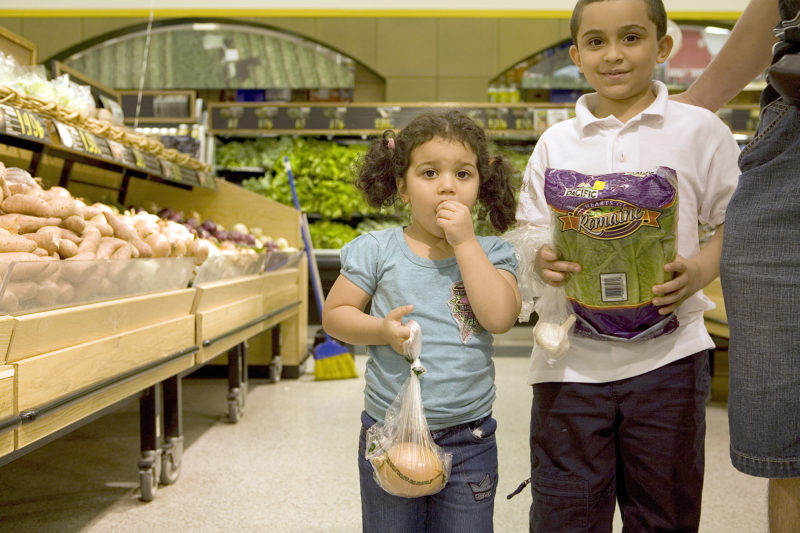
A recent article reported research from a national survey, showing that more than 10 percent of Latinos reported difficulty in accessing affordable fresh fruits and vegetables. The report also indicated that Latino families that live further from larger grocery stores also may be at risk for poor health. Many small supermarkets or corner stores are starting to carry more fresh fruit options, however, the price of fruits and vegetables at smaller stores are many times still higher in cost than at a larger grocer. Studies show that Latinos may be more likely to buy healthier foods if small convenient stores offered healthier foods at affordable prices. For instance, one New York program added and promoted healthy food items at local bodegas and it led to more fruit (32% increase in ...
Louisiana will be seeing more grocers and farmer's markets expanding fresh food in needy areas, as the Healthy Food Retail Act has been approved for one million in funding from the state. The Governor signed the budget bill to implement the law's budget, allowing families to have more access to fresh, healthy, affordable foods. Market Umbrella and their partner Together Louisiana also provided leadership in the bill's initiative. Vah Hook of the recently said in the American Heart Association News that these efforts in the South towards food access are welcomed as food is a part of everyone's life, and these initiatives are a win-win for vulnerable communities, agricultural interests, and economic development.
Copy & Share on Twitter: Congrats #Louisiana! Families will now ...
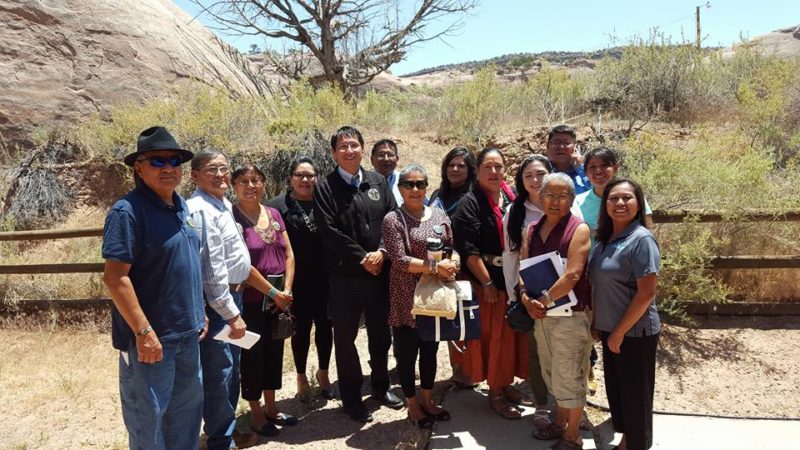
Since 2013, the Navajo Nation has been striving to address food deserts and health epidemics. In 201, the Healthy Dine Nation Act was approved to help promote consumption of healthier foods, by taxing junk food sales at two percent and eliminating a five percent tax on healthy foods like fruits, nuts, water, and vegetables. The one million-a-year of tax revenues were to be put towards health and wellness programs, farmer's markets, vegetable gardens, and exercise equipment. Now a new victory has come after receiving approval for the "The Healthy Diné Community Wellness Project Guideline and Distribution Policy". This new approval will allow all 110 Navajo chapters to access funding from the Healthy Dine Nation Act tax revenue to pursue their health and wellness ...
According to a recent article from Prevent Obesity, San Francisco city has taken the healthier food movement to a new level by adopting a new ordinance that ensures healthier foods are found in city property vending machines and during city meetings and events. The new ordinance requires that all prepackaged food sold in vending machines meet calorie labeling requirements and nutritional standards. Foods sold in vending machines on city property per serving must be no more than 200 calories, less than one gram of saturated fat, no more than 35% of calories from fat and have no trans fat or partially hydrogenated oil. Sodium and sugar guidelines are also detailed as well as opting out of all candy except for sugar-free mints and gum. Beverages must also follow nutritional standards ...
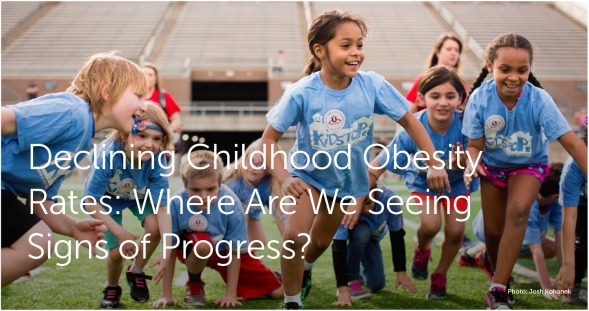
New reports reveal that childhood obesity rates are declining and the national diet is improving.
According to the Robert Wood Johnson Foundation, communities of color and low-income are more likely to be hit by higher rates of childhood obesity, however, states across the nation have shown signs of progress! For example, Georgia has seen a 10.8% decline in obesity among children ages 2-4, New Mexico has also seen a 15.1% and 11.1% decline in overweight and obesity among children, and in a Wisconsin school district, a report shows a combined overweight and obesity decline of 30.2%.
How are these communities ensuring healthy weights for kids?
Communities are building a culture of health by working together to increase consumption of healthier foods and beverages and increase physical ...
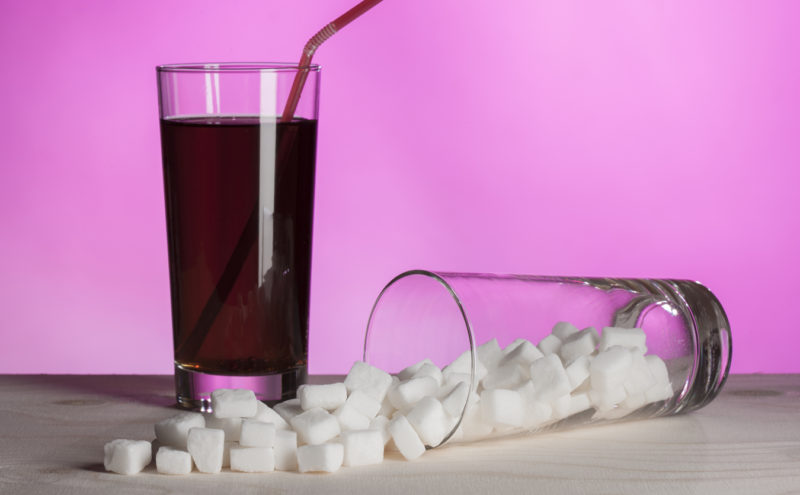
Two years ago San Francisco, Calif. tried to put a two-cents-per-ounce tax on sugary beverages, the proposal failed at 54.4% of the vote falling short, now trying again the proposal looks at a penny per ounce tax with proceeds going towards health programs. The proposal for the new tax was set to be placed on the ballot last month, but signatures were turned into late, according to a recent article. A warning label law on the health risks associated with consumption of soda is still being considered in San Francisco as well. Advocates of these new efforts towards soda tax laws reveal the evidence to their communities and council members of the high amounts of sugar in many soda or sweet drinks, which have no nutritional value, are the leading causes of diabetes and obesity among ...
The City Council of Stockton, California (32.5% Latino) has unanimously passed a new ordinance to reduce sugary beverage consumption among kids. The ordinance will require all restaurants in the city that offer kids meals to offer water and low-fat milk as the only default beverages. Cities across the country, in Davis, Calif, Philly, Illi., Denver, Colo., Virginia and more, are working on reducing sugary beverage consumption among kids and teens, as soda's and energy drinks with high sugar content have been shown to be the products that contribute most to added sugars in a child's daily diet. Research shows that about 74% of Latinos have had a sugary drink by age two. Having measures that reduce sugar consumptions at early ages of childhood, may help the healthy choice become ...
Currently at Bozeman High School in Bozeman, Montana, students are still able to reach for their favorite soda or sports drink at lunch. According to a local news article, earlier this year, the high school was selling 2,000 bottles of Gatorade a month. Now, healthier beverages and school food recommendations from the schools' 15-member Food Service and K-12 Nutrition Education commission will be heard on June 12th, 2016. Soda's and sugary beverages high in sugar and have been shown in studies to be linked to higher risks of tooth decay, diabetes and heart disease. The commission committee hopes to change the beverage options at lunch, to allow healthier carbonated waters and juices, but take out the soda and sports drink options from the high school's cafeteria and vending ...