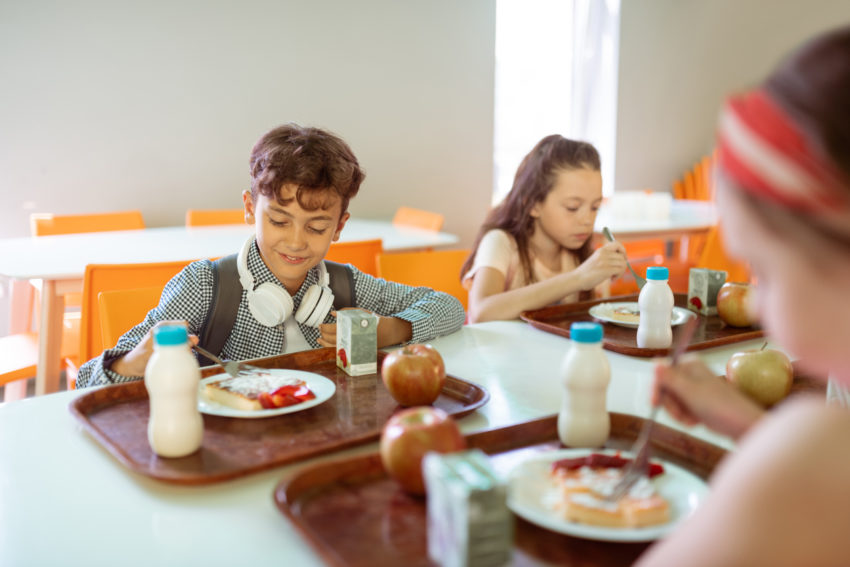
Schools are part of a community. Schools also make a huge influence in a child’s health. How can schools help build health within their communities? Let’s use #SaludTues to tweet information, resources, and tips that help schools, teachers, families and students take charge of health in their communities. WHAT: #SaludTues Tweetchat: “Building Healthier Communities Through Schools”
DATE: Tuesday, September 22, 2015
TIME: 1-2 p.m. ET (Noon-1 p.m. CT)
WHERE: On Twitter with hashtag #SaludTues
HOST: @SaludAmerica
CO-HOSTS: It’s Time Texas (@ITSTIME), Shape America (@Shape_America), Healthy Kids Today (@HealthyKids2Day) and our special guest, Transformative Schools Network (@Cr8HlthySchools) Be sure to use the hashtag #SaludTues to follow the ...
Many students don’t meet daily recommendations of physical activity. They often lack access to quality activity opportunities during school and they are burdened by challenges for quality activity opportunities after school, such as safety, availability and cost. Kids that don’t meet daily recommendations of physical activity are at increased risk for obesity and other adverse health outcomes. Jennifer Hershey and Jennifer McCloughan, two PE teachers in Edmonds School District in Washington, developed a before/after school program as well as a recess program to help kids reach 60 minutes of recommended daily activity on most days of the week. They developed these programs to be implemented in schools to reduce challenges associated with safety, availability, and cost.
PE ...
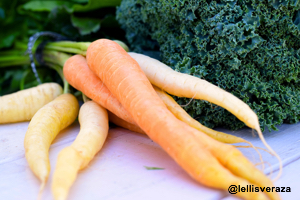
Getting kids to eat vegetables isn't always an easy job, especially when some families are more likely to live in neighborhoods that have little to no access to local grocery stores. However, a recent research study in the Journal of the Academy of Nutrition and Dietetics suggests that Latino kids who consume more vegetables in their diets, are healthier overall, even if they are overweight. The study reveals that kids who are eating vegetables, like spinach, broccoli or carrots, even for just a fraction of their diet, can reduce bad fats in the body. The study focused on a group of overweight Latino children, monitored by a researchers from The Keck School of Medicine, and the University of Texas at Austin (UT Austin). They found that children who consume one or two fist-size ...
There are numerous mental and physical benefits to walking. However, many Americans live in nonwalkable communities and face challenges to this most basic form of physical activity. Although walking is an individual behavior, walking can be made easier by improvements to community walkability and by programs and policies that provide opportunities and encouragement for walking. In fact, this is exactly what the Surgeon General is calling for in the Call to Action to Promote Walking and Walkable Communities. Multiple sectors of society can contribute to walkability, including transportation, land use, and community design; parks, recreation, and fitness; education; business and industry; volunteer and nonprofit organizations; health care; media; and public health. Check ...
A farmer's market is a lot of fun—for parents only, usually. Kids often just tag along, glumly, as their parents busily shop for fresh fruits and vegetables. That is, until the Market Sprouts Kids Club. Kaely Summers and other farmer's market managers in Oregon teamed up to create the Market Sprouts Kids Club program to teach local kids who come to the market about farming, fresh produce, and healthy eating. Now kids ages 5-12 who visit local markets, like Summers' Forest Grove Farmer's Market in Forest Grove, Ore., (23.1% Latino), do fun, interactive activities alongside farmers and volunteers who teach about healthier foods and healthier choices!
Farmer's Markets and Children in Oregon
Officials with Adelante Mujeres, a non-profit organization fin Forest Grove, have been ...
Many kids live in “recreation deserts,” which lack access to safe, affordable physical activity opportunities. Therefore, they often do not meet daily physical activity recommendations and are at increased risk for obesity. One way to reduce these challenges and increase physical activity among children is to provide free, safe recreation facilities in their neighborhood with relevant programming. Shawn Levy and Ricki Ruiz, two community-driven initiatives in Multnomah County, Ore., have crossed paths in their efforts to reduce recreation deserts in neighborhoods by building and fixing soccer fields and futsal courts.
Soccer Loving Kids Live in Recreation Desert
Oregon residents Shawn Levy and Ricki Ruiz love soccer and know it is good for kids and adults. But each found ...
Schools are an important environment to support health. Several challenges to physical activity and nutritious food still exist within many communities, both in and out of schools. It is important for parents and schools to work together to ensure that local, state, and national physical activity and nutrition standards eliminate these challenges in schools. When parents and schools work together to make the healthy the easy choice, they make health cool for their children. Join #SaludTues on September 1, 2015 to tweet about how parents and schools can create safe spaces for children to be physically active outside of regular school hours by using existing resources. WHAT: #SaludTues Tweetchat: “Why Health is Cool for Back to School”
DATE: Tuesday, September 1, 2015
...
What so great about beans? Grad student Kelly Atterberry and mentor Carol Miles have the answer in their new bean-based garden and nutrition curriculum for K-12 students in Washington. By encouraging kids to learn to garden and try nutritious pulse crops (beans, lentils, peas, etc.), they hope the curriculum can help combat obesity and diet-related health problems among children.
Why Beans?
Kelly Atterberry originally wanted to go nursing school. Then she learned about agriculture and growing healthy food while working on a farm and again later while working in the Agriculture Research Station at Washington State University (WSU) in Mount Vernon, Washington (33.7 % Latino). So she switched her career course. As a grad student at WSU, she studied agriculture, which united her ...
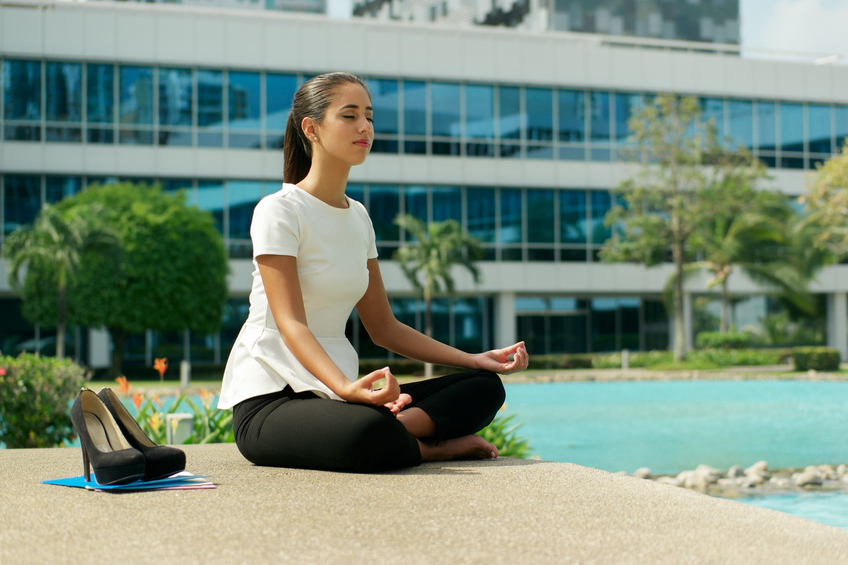
Yoga and regular gym workouts are both effective, according to a new study, Ivanhoe reports. The study led by Dr. Daniel Hughes, an exercise researcher at the Institute for Health Promotion Research at UT Health San Antonio, surprised all participants who expected one of the workouts to emerge as more effective. “I think I was expecting that one would be stronger than the other, and probably thinking that yoga would be the end all be all,” Michelle Hart, a study participant, told Ivanhoe. For the study, one group was asked to do yoga, a second group to do regular gym workouts, and a third group to just stay active. During the study, all participants exercised three hours a week and lost the same amount of body fat, “about four percent.” “All three arms were just ...