How can one family have an impact on reducing obesity in their school and beyond? Just look at the Surani teen sisters of Corpus Christi, Texas. After learning that their city had been named the fattest in the nation and how obesity is a huge health threat among children, the three girls wanted to take action They, with the help of their parents and others, created several programs to improve children’s health, including the iConquer program to help kids beat obesity by achieving healthy lifestyles starting from the early ages of 3 to 6 years old.
Teen Sisters Aim for Better Health
Fifteen-year-old Zoya Surani, along with sisters Sara (19) and Saherish (16), grew up in a household where healthy choices were commonplace. Their father, a pulmonologist, and mother, a respiratory ...
In 2010, Corpus Christi, Texas, was labeled the “fattest city in the nation” by Men’s Health magazine. A group of local middle school students were not happy about this designation and wanted to do something about it. After speaking to friends and teachers, the students reached out to influential community members to develop interest and support for a health program for elementary students called “Mission FitPossible.” Three years later, the students were high school students and they would wake up an hour early to bring Mission FitPossible to nearby elementary students.
Next Generation to Inherit Fattest City in Texas
Corpus Christi, Texas (59.7% Latino), was labeled the “fattest city in the nation” in 2010. Sarita Damaraju and Doug Hagemeister, who were ...
SaludToday Guest Blogger
Jefferson Dental Clinics What’s scarier than ghosts, goblins and witches this Halloween? Sugar. One night of trick-or-treating and candy-eating may not be a big deal, but prolonged consumption of sugary treats can wear on tooth enamel. Dental health is a good reason for parents to teach moderation when it comes to sugary treats, helping kids learn that treats are special and not for snacking on all day or night long. A good time have limited treats is after a large meal, when saliva production is at its peak from breaking down your food. Here's five things to avoid or allow on Halloween: 1. Avoid: Hard candies. Jawbreakers and suckers that slowly dissolve in your mouth can be especially harmful because of the amount of time the ...
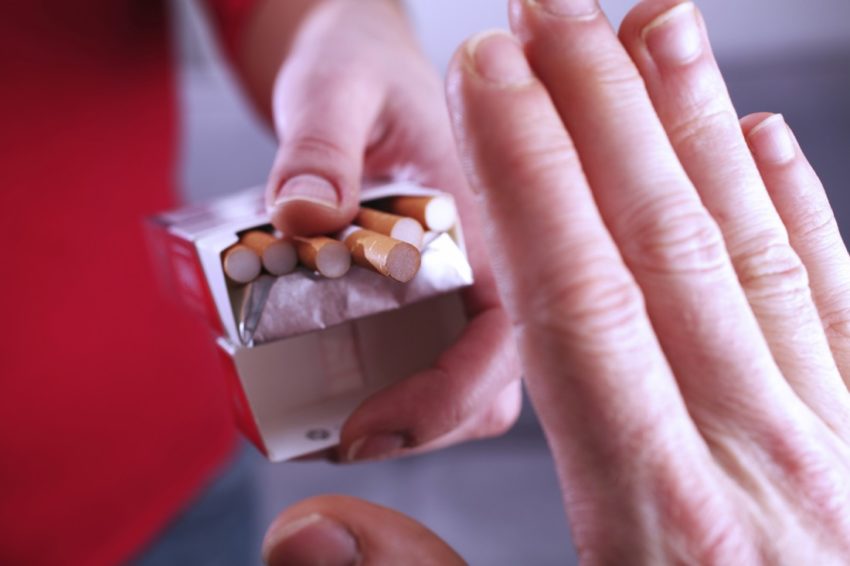
Raising the smoking age to 21 could curb access to tobacco products at an early age, which could lead reductions in smoking prevalence, said Dr. Daniel Ouellette, a Henry Ford Hospital pulmonologist. “Most of my patients are diagnosed with emphysema or lung cancer at a relatively young age from smoking, despite the media attention given to the health risks of smoking, and despite them knowing about those risks,” Oulette said. Smoking causes 1 in 5 deaths in the United States and is linked to cancer, heart disease, stroke, lung disease, diabetes and chronic obstructive pulmonary disease, according to the CDC. Oulette warns that based on current smoking rates 5.6 million Americans under 18 will die during their lifetime due to smoking and tobacco products. Need help to kick ...
Kids are marketed to about candy and junk food, especially during fall celebrations, like Halloween and Dia de los Muertos. These sugary beverages and sweets do not produce a culture of health and well being, but are tempting during the holidays. Some kids are more at risk for diabetes and obesity. What can we do? Let’s use #SaludTues to tweet information, resources, and tips that can help kids and families reduce their risk of sugar and it’s dangers. Follow #SaludTues to join the conversation. WHAT: #SaludTues Tweetchat: “Fall Celebrations & Candy Alternatives”
DATE: Tuesday, October 27, 2015
TIME: 1-2 p.m. ET (Noon-1 p.m. CT)
WHERE: On Twitter with hashtag #SaludTues
HOST: @SaludAmerica
CO-HOSTS: Center for Science in the Public Interest CSPI ...
Technology is a promising way to help smokers quit, given the dire health and cancer consequences of smoking. What technologies are working? Let’s use #SaludTues on Oct. 20, 2015, to tweet information, resources, and tips that can uncover the ways technology can help people kick the habit now (and for good!): WHAT: #SaludTues Tweetchat: “Quitting Smoking with the Help of Technology”
TIME/DATE: 1-2 p.m. ET (Noon-1 p.m. CT), Tuesday, Oct. 20, 2015
WHERE: On Twitter with hashtag #SaludTues
HOST: @SaludAmerica
CO-HOST: The CDC (@CDCTobaccoFree)
SPECIAL GUEST: The American Lung Association (@LungAssociation) We’ll open the floor to your stories and experiences as we explore: How much do people smoke (and why quit)?
What technologies are emerging to ...
What if fast food meals for kids were considered more nutritious? Researchers from New York University (NYU) studied kids' meals by looking at over 358 fast food receipts which detailed over 400 purchases of kids' meals. After calculating what those meals would look like with a set of healthy nutritional standards, researchers summed up that there would have been a nine percent drop in calories for kids if the fast food meals purchased were up to their standards. This may not seem like much, but Dr. Brian Elbel, the lead author of the study and associate professor in the department of population health at NYU, said in a recent article, that these changes on fast food kids' meals would be a step in the right direction to help fight against childhood obesity. The new bill purposed ...
Camp Cauliflower is a cooking camp in Novato, Calif., where young students are learning what healthy cooking looks like for one week. Created by 17-year-old high school senior, Elena Dennis, the camp encourages young students to create healthy meals from the garden to the kitchen. Students harvest, cut, chop and cook alongside their older peers throughout the classes, all while learning what it takes to create a well-balanced meal. Elena, interested in starting this camp to encourage healthier diets for younger classmates, wanted to use her passion for cooking and nutrition in her school. She set out to make her dream of Camp Cauliflower become a reality in 2014 by asking food and nutrition director of Novato School District, Miguel Villarreal, to help her start her ...
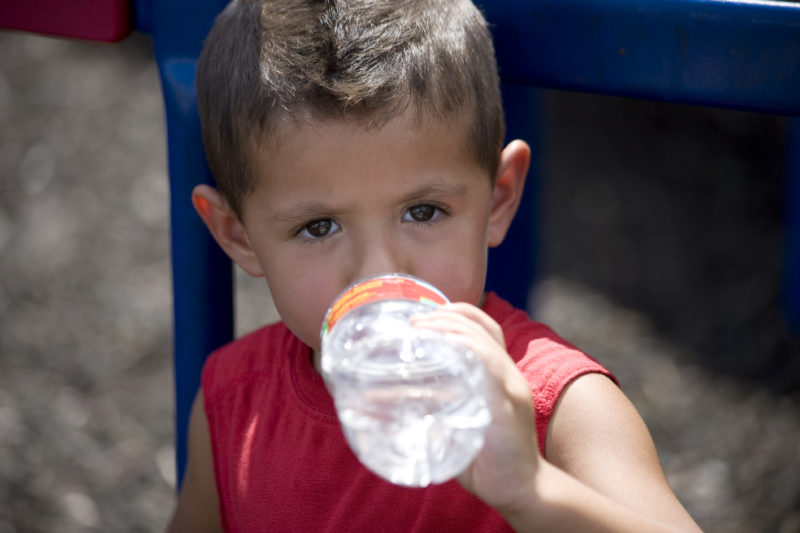
Water bottle sales have nearly tripled compared to the falling rates of soda consumption, reports the New York Times. This prompts the question, do the studies showing the link between obesity and consumption of sugary beverages make an impact? J. Alexander M. Douglas Jr., president of Coca-Cola North America, was quoted in the same article: “Health and wellness are a major enduring trend and each brand has to compete in that environment." But healthier beverage options are not just trending across certain states. They are being proven as recent market reports show a noticeable decrease in soda consumption. Sugary beverage taxes are not popular in all states, as in California, but a growing amount of sugary beverage consumers may be realizing the health warnings associated ...