One of America’s largest corporations is reassessing the way they handle potentially health-harming substances in their products. Last month, Apple released its “Environmental Responsibility Report,” which provides insights into their overall climate-conscious. Specifically, the report illustrates the ways Apple is changing their mindset and practices concerning hazardous substances — something they hope will change the way the electronics industry functions as a whole. “Prioritizing potentially problematic chemical substances is key to effectively focusing green chemistry efforts in electronics manufacturing,” Apple writes in their 2018 Chemicals of Concern report. “Existing scientific tools and policy frameworks, however, do not provide immediately applicable and ...
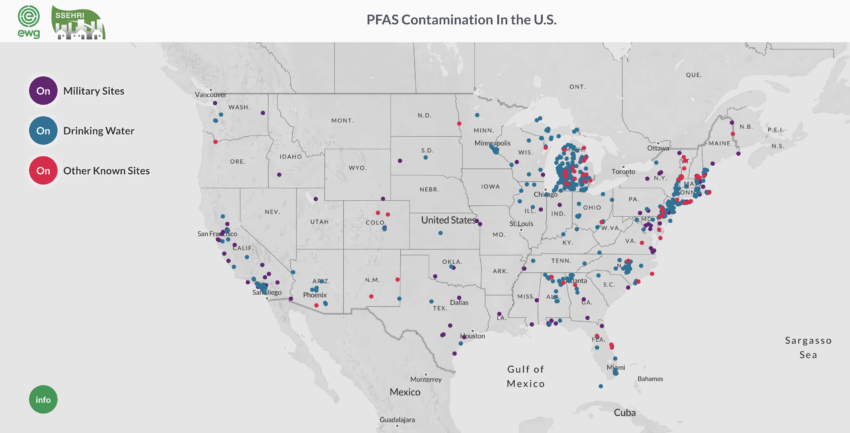
Researchers now estimate that 19 million Americans face dangerous chemical exposure from the water coming from their sinks and faucets. Over 600 public water systems, military bases, airports, industrial plants, and other sites contain per- and polyfluoroalkyl substances (PFAS) contamination. Worse, this is a wide-spread problem affecting people in 43 states, according to new research from the Environmental Working Group (EWG). “The Environmental Protection Agency has utterly failed to address PFAS with the seriousness this crisis demands, leaving local communities and states to grapple with a complex problem rooted in the failure of the federal chemical regulatory system,” said Ken Cook, president of the Environmental Working Group.
Findings of EWG’s Report
The study’s ...
Did you know millions of Americans struggle to access clean water every day? Pollution and chemical contamination has impacted the drinking water of U.S. soldiers, public school students, and families who can lack the ability to purchase and use water filtration tools. Moreover, currently proposed pieces of legislation could make that problem much worse. The EPA hopes to roll back clean water protections, and by doing so, giving companies loopholes to dump hazardous material into our sources of water. This kind of pollution harm our country’s rivers, lakes, and groundwater supplies. Let’s use #SaludTues on Twitter on Tuesday, May 21, 2019, to tweet relevant information about current issues in clean water access and what is being done to solve the problem: ...
Where you live is significantly linked to how healthy you are. Sadly, U.S. Latino communities face unaffordable housing, unreliable public transportation, and a lack of green space and parks. This limits Latinos’ access to health-promoting assets─medical care, good schools, healthy food, and physical activity. This contributes to health inequities affecting this population. Fortunately, community leaders can adopt dynamic land-use methods, public-private partnerships, and community involvement to build and revitalize Latino neighborhoods. This can create affordable housing, connection to public transportation, and more green spaces. The result is health equity─a fair, just opportunity to achieve the best health possible.
Quick Links
News Release (PDF) Full Research ...
This is part of the Salud America! The State of Latinos and Housing, Transportation, and Green Space: A Research Review » Future Research
Many of the policy suggestions and strategies highlighted in this review are based upon research performed within urban Latino communities. While many of the suggestions may be applicable to smaller Latino communities, it will be essential to determine if they will be successful when applied to the semi-isolated Latino communities of the “new Latino destinations.” In one sense, because the majority of these policy recommendations hinge upon community activism and solidarity, it may be possible to translate them into the heavily Latino-majority communities found in these small-town and rural areas. However, activism builds upon political ...
This is part of the Salud America! The State of Latinos and Housing, Transportation, and Green Space: A Research Review » Conclusions
Latinos need affordable housing options, access to reliable, relevantly routed public transportation, and connected, safe, and maintained green spaces for transportation and recreational use. Many societal and economic factors are responsible for the inequitable distribution of funds to support these projects. For instance, it was beyond the scope of this review to fully discuss the historical legacy of disparities. However, with proper political will and community activism, change can be made to improve access to affordable housing, public transportation, and green spaces in all types of Latino communities. A common theme across the research has ...
This is part of the Salud America! The State of Latinos and Housing, Transportation, and Green Space: A Research Review » Summary
Neighborhood development initiatives in Latino communities that rely upon “bottom-up” activism, a wide public-private partnership network, and “cultural brokers” have been effective at driving and maintaining long-term community change, especially in the context of environmental justice in Latino communities.
Green Space Access Is an Environmental Justice Issue
Over the past two decades, uneven access to green space has become an important environmental justice issue as awareness of its contribution to public health has become more widely recognized [33, 52]. In general, racial/ethnic minorities and low-income people have less access to ...
This is part of the Salud America! The State of Latinos and Housing, Transportation, and Green Space: A Research Review » Summary
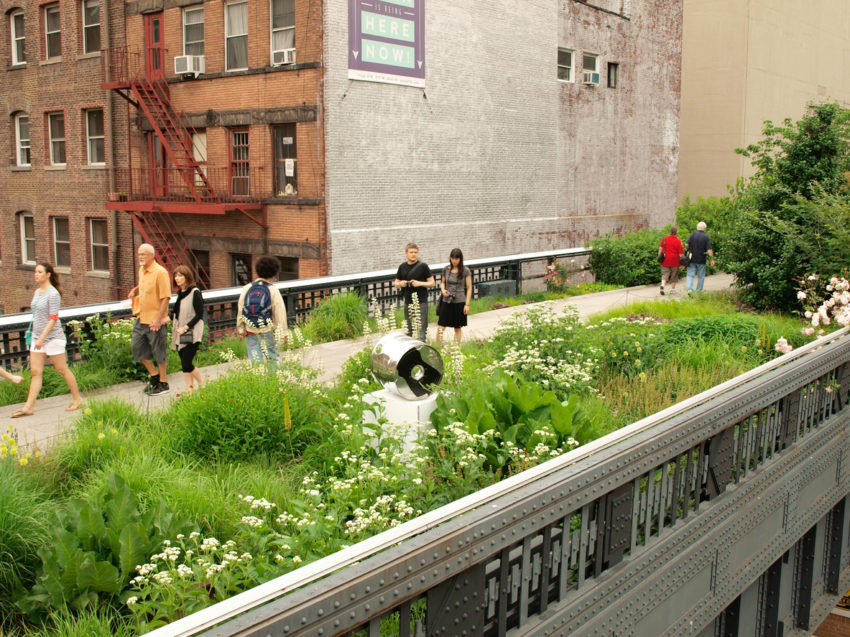
Green space initiatives that take community concerns, needs, and desires into consideration may be most effective at improving Latino physical and mental well-being. Green spaces support public health in many ways—they filter air, remove pollution, attenuate noise, cool temperatures, replenish ground water, mitigate stormwater, and can provide food [53, 54]. Beyond these benefits, however, are the physical, mental, and emotional benefits of green space, as discussed below.
Green Spaces Benefit Latino Physical Health
Policies and programs that specifically work to improve these conditions in Latino communities will go a long way to increasing the ...
This is part of the Salud America! The State of Latinos and Housing, Transportation, and Green Space: A Research Review » Summary
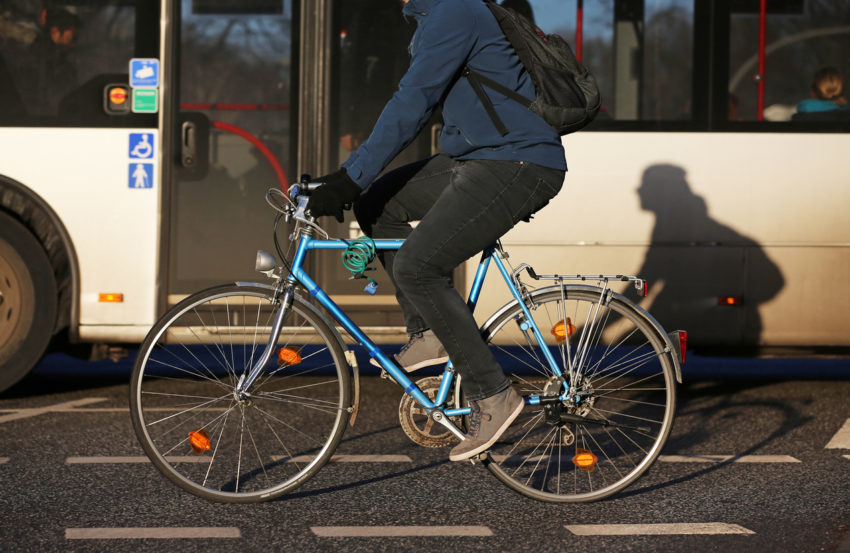
Income-based fare reductions, improved scheduling, and transit routing improvements to link places of residence with places of employment are emerging ways to improve quality of life for Latinos living in the U.S. To improve transit connectivity and safe transportation options in Latino communities, smart advocacy decisions will have to be made. Transit routing improvements will have to address coverage gaps in the suburbs, disconnects between population centers and job nodes, and alignment of routes between riders and destinations [42]. Transit scheduling improvements must be made to meet the working hour needs and reliability required for regular ...