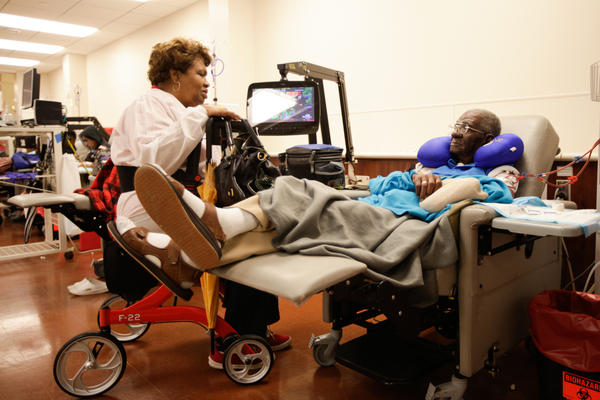
Chronic kidney disease is a crisis in the U.S. — yet, the intersection of transportation and healthcare is failing. Public transportation agencies, healthcare providers, and patients are concerned about the rising demand, cost of providing dialysis trips for patients with the illness. Of the forms of dialysis transportation, ambulance rides only make up 5% of trips in the US. However, they account for half of the $3 billion spent annually on dialysis transportation, according to a 2013 study in the Journal of Health Economics and Outcomes Research. Costs could be reduced by one-third if ambulance use dropped to 1% of trips.
Gathering Needed Data
Before policy could change, all parties involved needed to know the lay of the land. In 2016, researchers with Cooperative ...
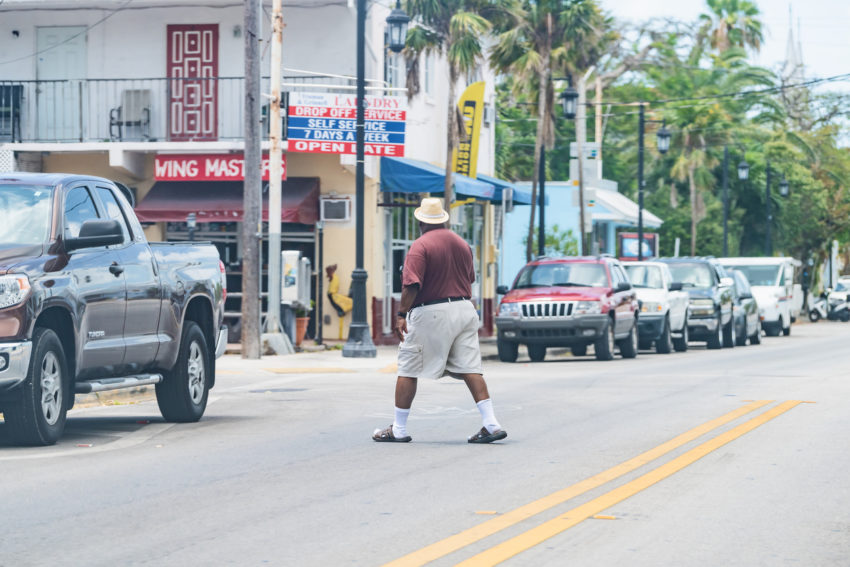
Florida leads the nation in the number of pedestrians killed while walking on the street. The state (25.6% Latino) had the highest Pedestrian Danger Index numbers, according to the latest Dangerous by Design report from Smart Growth America. In response, Grover Robinson, the mayor of Pensacola, announced that the city created a new staff position to increase the safety of city roads by advancing Complete Streets. This is another step in the city’s plans to make pedestrian safety a priority, following the Florida Department of Transportation updating their 30-year old Complete Streets policy in 2014. “The problem we have is that we’ve done such a good job at building streets, and building them for cars, and building them for cars to go fairly fast that they aren’t ...
In an effort to promote customer wellness and company transiency, Target retailers will add “clean” labeling to all products without commonly known harmful chemicals. This is another phase of the corporation’s “chemical goals,” or its plan to reduce customer exposure to hazardous substances in products on the shelves. Consumers strongly desire for transparency in their merchandise, said Christina Hennington, Target’s senior vice president and general merchandise manager of essentials, beauty, hardlines, and services. “Our guests are increasingly interested in better-for-you products, and by introducing Target Clean, we’re able to help them identify products that meet their needs and save time,” Hennington said in a statement. Latinos, who face chemical ...
Did you know housing can influence your health? Inside our homes, we need an environment free of lead, mold, smoke, and other toxins. Outside our homes, we need access to quality medical care, transit, schools, jobs, and grocery stores. But certain communities lack access to these types of home environments. Others struggle to afford a home or steady housing. This undermines their opportunities for a healthy life. Let’s use #SaludTues on Tuesday, April 16, 2019, to share innovative strategies to improve access to safe, secure, affordable housing for Latino and all communities: WHAT: #SaludTues Tweetchat: “Strong Foundations: Why Housing Matters for Our Health”
TIME/DATE: 1-2 p.m. ET (Noon-1 p.m. CT), Tuesday, April 16, 2019
WHERE: On Twitter with hashtag ...
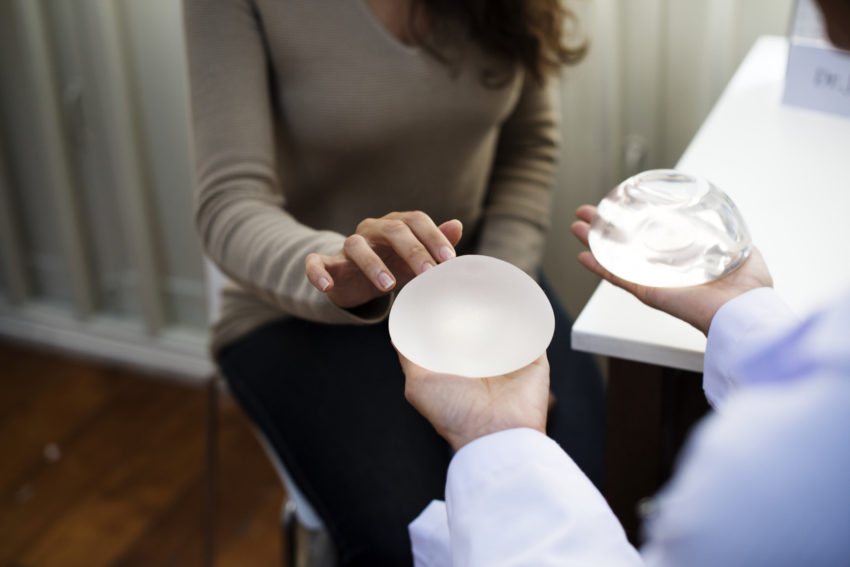
Last month, the FDA and health experts met to review renewed safety concerns about long-term side effects─even cancer─caused by breast augmentation. Women across the U.S. have spoken up about health complications that they believe were caused by their breast implants. Health professionals, too, are concerned about the growing number of people affected. Latinas get implants more than any other minority group. Diana Zuckerman, president of the National Center for Health Research in Washington, D.C., analyzed past breast augmentation studies and spoke at the FDA’s conference on her findings. “Implants are not so innocent as presented,” Dr. Howard Amital, an Israeli rheumatologist who has studied this issue, told the New York Times. “There is a reason for concern. There ...
During rush hour, the eight-lane Mississippi River Bridge in Minnesota collapsed, killing 13 people, and injuring over 140 more on Aug. 1, 2007. This tragedy was a wake-up call for officials in the Minneapolis-St. Paul “Twin Cities.” They could not afford to build their way out of congestion or repair the state’s deteriorating transportation infrastructure. To achieve safe transportation improvements for a growing population, the Twin Cities’ Metropolitan (Met) Council began to transition away from policies that move vehicles to ones that move people. The evolution began by rethinking how to measure road performance, according to a case study of the Met Council by the U.S. Department of Transportation (USDOT).
Motivation to Change
The bridge collapse highlighted ...
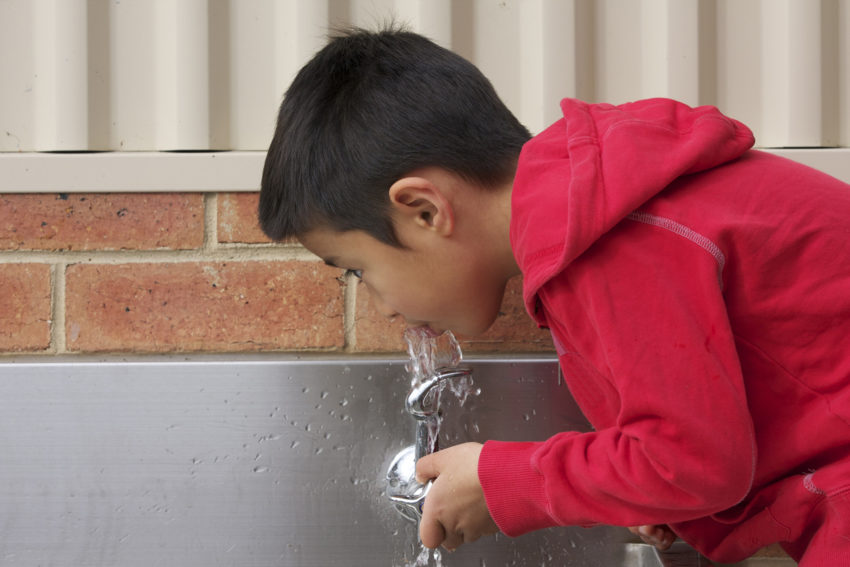
Children across the U.S. acquire and education through public school — they also receive lead exposure, according to new research. At least 22 states failed to protect students from water contamination, according to a study conducted by the Environment America Research & Policy Center and U.S. PIRG Education Fund. Worse, only two of the 32 tested states received a B rating. Not one state made an A. Schools in states with large Latino populations also fared poorly. “It's concerning,” Julie Ma, a mother in Boston (19.4% Latino) who prepares water bottles for her kids every day, told CBS. “I really would like to get the lead out of the water supply as fast as possible for the students ... Many schools don't even know if they have it and haven't been able to make those ...
The EPA recently proposed a revision of its Waters of the United States rule that intends to roll back clean water initiatives. The change─the so-called Trump “Dirty Water Rule”─could reduce the number of rivers and lakes regulated under the Clean Water Act. It would also result in 18% of streams and 51% of wetlands to no longer fall under the EPA’s protection, leaving millions of Americans vulnerable to polluted water, according to The U.S. Geological Survey. Water poverty, or a lack of a toilet, tub, shower, or running water, affects nearly 1.6 million Americans, according to U.S. census data. Latinos already face chemical exposure in water at home and on military bases. EPA wants your public comment on its proposed clean water rollback!
Email EPA Chief Andrew ...
Did you know many everyday products in your house contain harmful chemicals? Companies such as Johnson & Johnson, Claire’s, and Monsanto are all currently facing backlash over chemicals in their baby, cosmetic, and gardening products — which have reportedly caused severe health issues, such as cancer. Many people are urging stricter chemical regulation. But as government officials and companies grapple with product regulation, these chemicals cause intolerance and other health side effects that drastically impact the lives of consumers and commercial laborers. These health inequities can affect Latinos, who work with these products more frequently than other demographics. Let’s use #SaludTues on Tuesday, April 9, 2019, to share relevant information about how to ...