This is part of the Salud America! The State of Latinos and Housing, Transportation, and Green Space: A Research Review » Summary
Green space initiatives that take community concerns, needs, and desires into consideration may be most effective at improving Latino physical and mental well-being. Green spaces support public health in many ways—they filter air, remove pollution, attenuate noise, cool temperatures, replenish ground water, mitigate stormwater, and can provide food [53, 54]. Beyond these benefits, however, are the physical, mental, and emotional benefits of green space, as discussed below.
Green Spaces Benefit Latino Physical Health
Policies and programs that specifically work to improve these conditions in Latino communities will go a long way to increasing the ...
This is part of the Salud America! The State of Latinos and Housing, Transportation, and Green Space: A Research Review » Summary
Income-based fare reductions, improved scheduling, and transit routing improvements to link places of residence with places of employment are emerging ways to improve quality of life for Latinos living in the U.S. To improve transit connectivity and safe transportation options in Latino communities, smart advocacy decisions will have to be made. Transit routing improvements will have to address coverage gaps in the suburbs, disconnects between population centers and job nodes, and alignment of routes between riders and destinations [42]. Transit scheduling improvements must be made to meet the working hour needs and reliability required for regular ...
This is part of the Salud America! The State of Latinos and Housing, Transportation, and Green Space: A Research Review » Summary
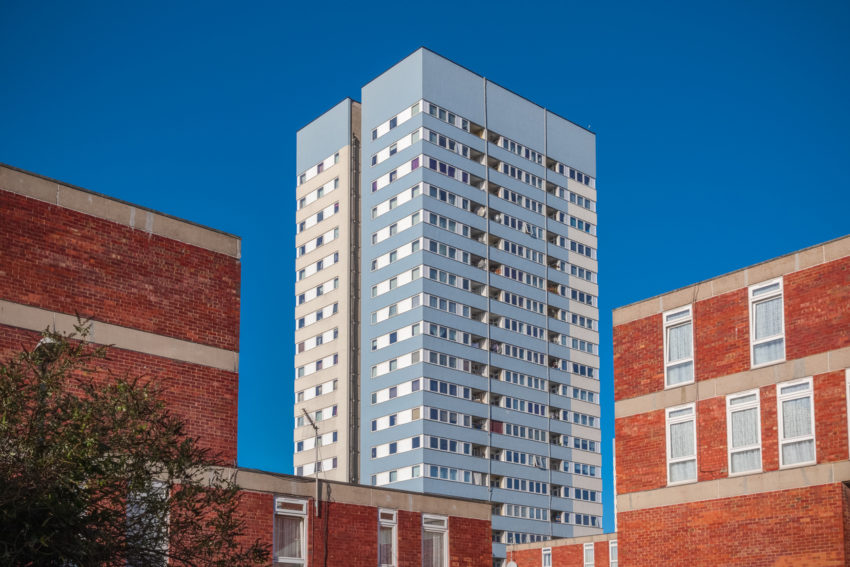
To improve access to affordable housing near public transport, Latinos would benefit from transport-oriented development projects in their neighborhoods that increase the stock of affordable housing centered around the transport hub. These projects should emphasize strong preemptive community involvement to limit displacement and gentrification that has frequently plagued these projects, and to maintain cultural authenticity in Latino neighborhoods that have undergone revitalization.
What Is Transit-Oriented Development?
Transit-oriented development is a model for neighborhood revitalization that can be defined as ‘walkable, dense, compact, mixed-use ...
This is part of the Salud America! The State of Latinos and Housing, Transportation, and Green Space: A Research Review » Summary
Two forms of intervention could improve the current state of housing instability in Latino communities. First, devoting more resources toward keeping renting families in their homes, and second, increasing the number of affordable housing initiatives with the ultimate goal of increasing the stock of affordable housing in Latino communities.
Keep Renters in Their Homes
Toward the first goal, development of a program that could provide aid to renters who experience drastic, but temporary, loss of income due to job loss, medical emergency, or other unexpected financial burden could prevent many forced displacements. In 2009, Milwaukee tenants facing ...
This is part of the Salud America! The State of Latinos and Housing, Transportation, and Green Space: A Research Review » Summary
Latino communities lack green spaces that are safe, accessible, functional, and culturally relevant.
What Are Green Spaces?
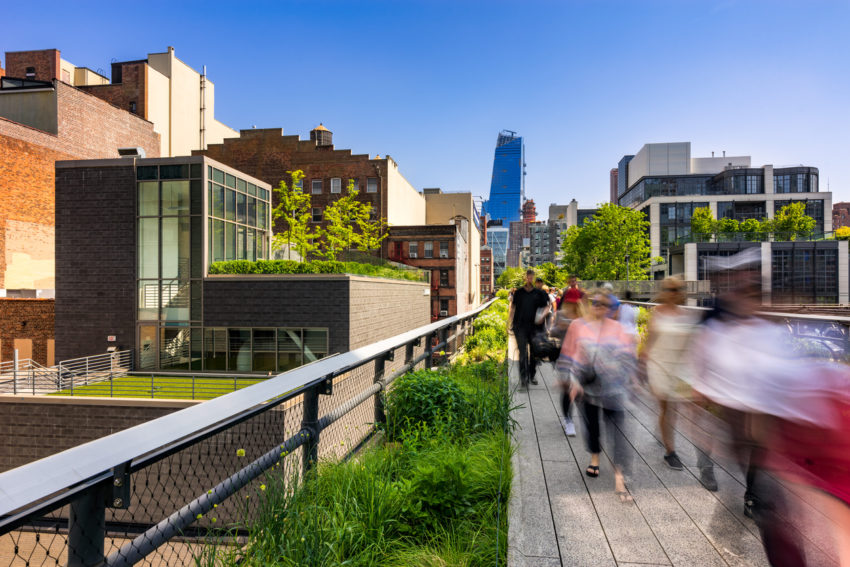
Within urban, suburban, and rural communities, green space can be natural or maintained outdoor public space, such as parks, playgrounds, sporting fields, school yards, day care and early care yards, greenways/trails, tree-lined sidewalks, community gardens, nature conservation areas, forests, as well as less conventional urban “green alleyways,” “pocket parks,” and green walls or roofs [52].
Green Space Inequities Exist
Unfortunately, access to and quality of green space is not equitably distributed. Compared with ...
This is part of the Salud America! The State of Latinos and Housing, Transportation, and Green Space: A Research Review » Summary
U.S. Latinos report specific transportation challenges that arise due to the discrepancy between where Latinos live versus where they work. These challenges include transit fare affordability, reliability, and coverage.
Latinos Use Public Transit Frequently
According to the Pew Research Center, Americans who are lower-income, non-White, immigrants, or under 50 are most likely to use public transportation on a regular basis [39]. Among urban residents, 27% of Latinos use public transit daily or weekly, compared to 14% of non-Latino Whites, and foreign-born urban residents are 20% more likely to regularly use public transportation than native-born urban ...
This is part of the Salud America! The State of Latinos and Housing, Transportation, and Green Space: A Research Review » Summary
A pattern of Latino migration to small town and rural areas in the Southeast and Midwest instead of to traditional urban centers has led to the formation of isolated, segregated rural Latino communities with unique housing and transportation needs.
The Latino Population Shift: From Urban to Rural
Real estate and transportation trends have shown two prominent residential shifts among Latinos. First of all, in urban areas, Latinos are living farther from transport hubs and amenities, where housing is more affordable. Secondly, a large number of Latinos are migrating into new areas where jobs are available and rents are more affordable, primarily to ...
This is part of the Salud America! The State of Latinos and Housing, Transportation, and Green Space: A Research Review » Summary
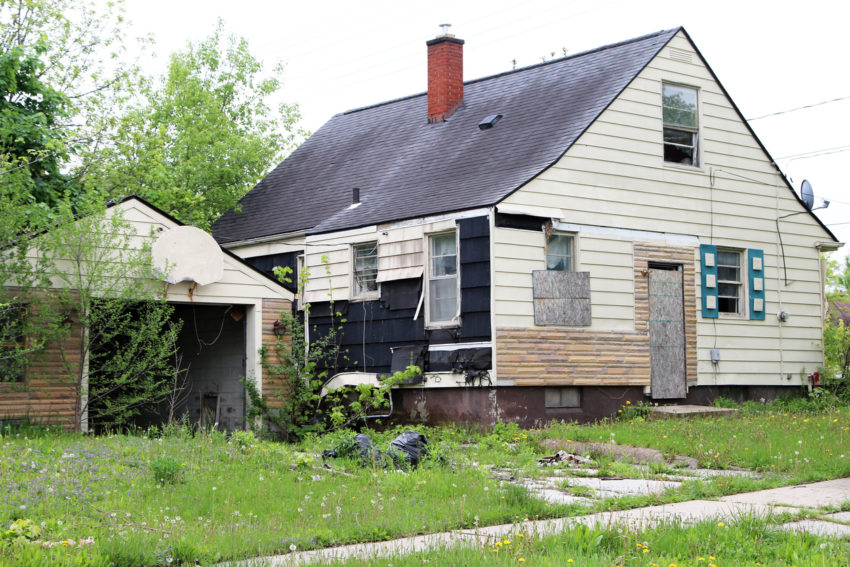
An increasing number of Latinos are burdened by high housing costs and can even face possible eviction, displacing them from urban centers near public transport to the fringes of urban areas, where transport, services, and employment are more difficult to access.
Housing Affects Health
Currently at 58.6 million, Latinos account for more U.S. population growth than any other demographic [1]. Public policy has led to decades of disinvestment in low-income communities and communities of color in the United States, which has led to worsened physical and mental health in these communities [16, 17]. Health equity refers to the ability of all individuals to ...
This is part of the Salud America! The State of Latinos and Housing, Transportation, and Green Space: A Research Review » Abstract
Across the United States, Latino communities vary in affordable housing, safe and adequate transit, parks and open green space, and other elements that are necessary to fully thrive and achieve health equity. These differences in opportunity result in health disparities between different zip codes or census tracts—with poor health outcomes more prevalent in communities of color and low-income communities. It is perhaps even more critical to address these underlying social, economic, and environmental factors that contribute to health than to address the health disparities directly if we are to hope for long term changes in community health and ...