As temperatures increase to scorching new benchmarks every year, weather experts advise people to avoid prolonged exposure to extreme heat, which can have disastrous health consequences, from heat stroke to death. But not everyone can escape the heat’s harmful effects. Heat can create hazardous working conditions for workers in labor-heavy outdoor industries, such as construction, maritime, and agriculture, which employs many Latinos. To protect outdoor workers from extreme heat, the Department of Labor and the Occupational Safety and Health Administration (OSHA) are proposing a new rule to require employers to implement a heat emergency response and planning procedure, which includes providing water, shaded areas, and rest breaks. “Workers all over the country ...
Are the corn masa products you eat fortified with folic acid? Because too many babies in the Latino community suffer from birth defects like spina bifida, UnidosUS and its partners submitted a citizen petition asking the FDA to require a warning label on unfortified corn masa flour and products. The warning would alert consumers when corn masa flour, tortilla chips, tamales, or other corn masa products do not contain adequate folic acid. A lack of folic acid can increase the risk of a serious birth defect if a woman becomes pregnant. “A warning label is a simple way to tell consumers of the risks posed by products that lack adequate levels of added folic acid — and to push food companies to fortify foods to protect people,” according to UnidosUS. Here’s how you can ...
High blood pressure is a silent killer (el asesino silencioso in Spanish) that can spur heart disease and stroke among Latinos. We addressed heart health at UT Health San Antonio’s webinar, “How to Fight El Asesino Silencioso,” at 11 a.m. Central on Tuesday, Sept. 10, 2024, in advance of Hispanic Heritage Month. This webinar featured experts from UT Health San Antonio, the National Hispanic Medical Association (NHMA), and Genentech to share resources and relevant tools that Latino families and healthcare workers can use to help prevent, treat, and manage high blood pressure, also called hypertension. This is a part of a webinar series, “Let’s Improve Health in South Texas and Beyond." The series is a collaboration of the Salud America! program at the Institute for ...
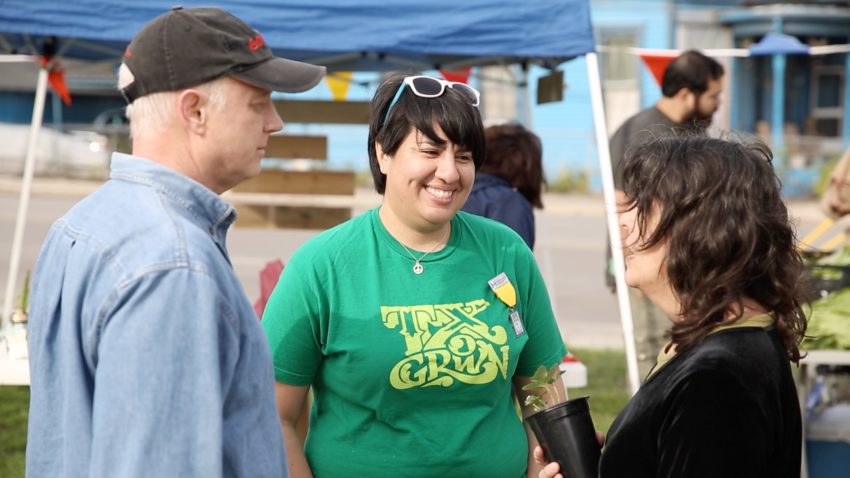
Does your town have a farmers market? Farmers markets are a path to healthy food access. They are especially important amid the push for nutrition security. Fortunately, the Farmers Market Coalition is stepping up to support farmers markets. They’re supporting markets and sharing how markets increase access to healthy, fresh produce and social connections, and engage farmers in the local economy. "As hubs for connection and community resilience, farmers markets have particularly risen to the occasion this year by providing a necessary sense of unity and stability during a time of great uncertainty," according to the coalition. "Farmers markets don’t just happen. The hard work of farmers market operators should be recognized." For National Farmers Market Week ...
The Child and Adult Care Food Program (CACFP) is a federal program that ensures children and adults have access to nutritious meals and snacks by providing reimbursements for nutritious meals and snacks at participating child care centers, day care homes, and adult day care centers. Additionally, the CACFP provides reimbursements for meals served to children and youth participating in afterschool care programs, children residing in emergency shelters, and adults older than 60 or living with a mental or physical challenge and enrolled in day care facilities. The National CACFP Sponsors Association (NCA) provides support and resources for the community and others that administer, organize, and participate in nutrition programs. The CACFP provides Spanish-language resources through ...
Over the last several years, cities across the US have taxed sugary drinks to reduce the consumption of these beverages and prioritize the health of their communities. In 2018, Seattle joined this wave of cities in placing a tax on sugary drinks. At 1.75 cents per ounce, the tax was created to disincentivize the consumption and purchase of sugary drinks and improve community health. But did it work? A recent study published on the JAMA Network sought to answer this very question by comparing the health of children within the taxable area to those in neighboring areas. This is what they found.
Sugary Drink Tax Studies
Studying the relationship between the sugary drink tax and health is nothing new. In fact, previous studies on taxes have pointed to a ...
With heat reaching record-breaking numbers every summer in some states, evidence points to our environment changing. For instance, Florida saw its hottest year on record since 1895 when the surface temperatures reached 177 degrees in places. Heat indices rose to triple digits multiple days in a row in Texas, making 2023 the second-hottest summer on record. In the wake of extreme heat, weather experts have advised people to limit their time outside when the sun is out, especially for the population’s most vulnerable people like seniors and children. But what about those who can’t escape the heat? Despite the weather, outdoor workers are braving the elements to provide a valuable service to support their families. Many of these workers are Latino. While ...
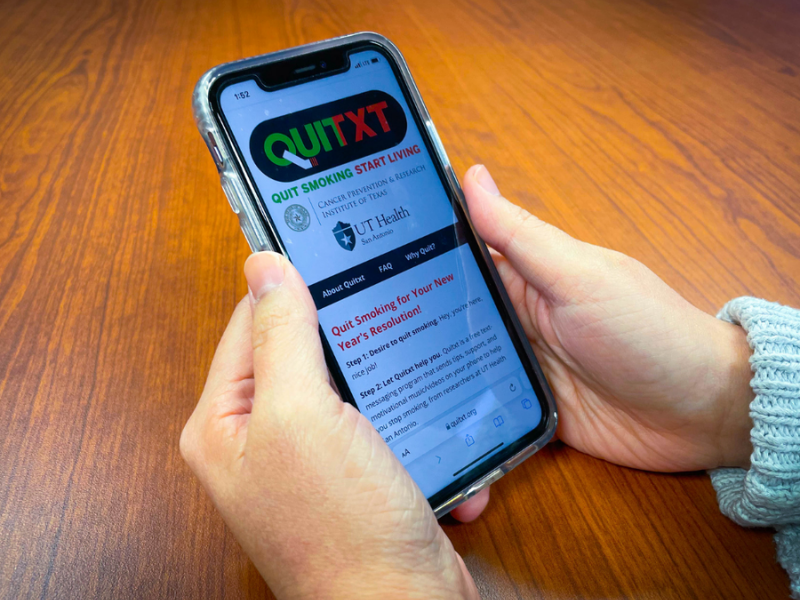
On May 31, you can join thousands of people who will begin their smoke-free journey on World No Tobacco Day! This annual event from the World Health Organization to "draw global attention to the tobacco epidemic and the preventable death and disease it causes." Need help quitting smoking? Enroll in Quitxt, a free English or Spanish text-message service that turns your phone into a personal “quit smoking” coach from UT Health San Antonio. To join Quitxt, text “iquit” (for English) or “lodejo” (for Spanish) to 844-332-2058. “On World No Tobacco Day, we’re excited to share Quitxt to provide real-time help with motivation to quit, setting a quit date, handling stress, and much more, all on your phone,” said Dr. Amelie G. Ramirez, director of the Salud America! ...
We know little about which transportation investments or initiatives are reducing transportation challenges and meeting people’s transportation needs. For example, are Complete Streets policies meeting the needs of community members? As Smart Growth America releases its best practices to evaluate the success of Complete Streets efforts, we at Salud America! want to draw attention to how transportation needs and barriers have been conceptualized. Across the fields of urban planning, public health, and health care are claims about how transportation impacts health and quality of life. However, regarding these impacts, transportation is often conceptualized only in terms of physical activity, pollution, safety, and/or access to medical care. Although transportation is often ...