51% of Americans live in child care deserts, in which Latinos are greatly disproportionately affected, according to a new report by the Center for American Progress. Child care deserts are defined as regions where there are no licensed child care providers for kids under the age of 5 and/or there is less than one slot in an accredited child care center for every 3 children under the age of 5.
Latinos and Child Care Deserts
Even though Latinos are the fastest-growing racial/ethnic group in the US and 25% of kids in the US are Latino, Latino families are more probable to live in regions with scarce child care options, according to the report. 60% of Latinos live in regions that have an undersupply of licensed child care centers. Furthermore, areas where the Latino population are ...
SNAP food assistance is at risk again, and we need your help. Just days after legislators protected SNAP in the Farm Bill, the Trump Administration on Dec. 20, 2018, proposed a SNAP regulation that could eliminate food assistance for unemployed and underemployed people in areas with insufficient jobs; undo long-settled regulations; increase hunger and nutrition-related diseases; and increase poverty, the Food Research & Action Center reports. You can make a public comment to tell USDA Secretary Sonny Perdue how much you value SNAP, and urge him to ensure the program continues to feed Latino and all disadvantaged families. Here’s how you can speak up: Copy this model comment (add a personal story if possible): I greatly value the SNAP program. And I am not alone. SNAP ...
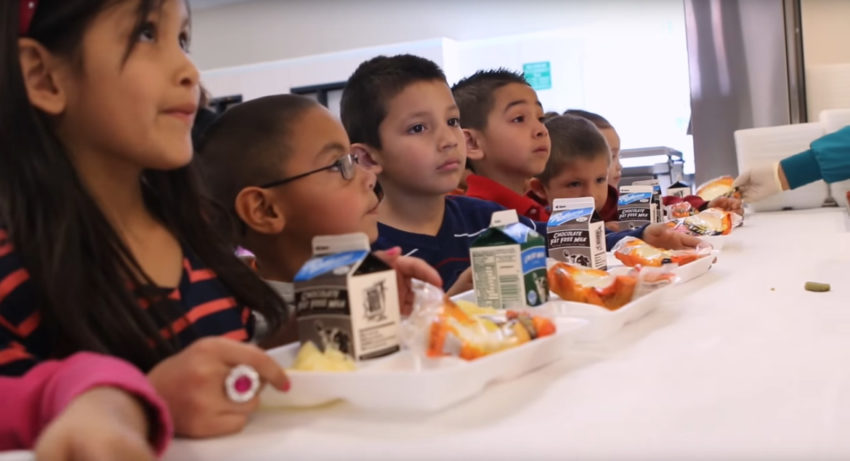
Earlier in 2018, over 700 Salud America! members and thousands of others submitted public comments to oppose the USDA's proposed measure that could weaken nutrition standards in schools. Unfortunately, USDA approved its measure. The new rules aim to give schools flexibility in achieving higher nutritional standards for milk, whole grains, and sodium, according to a USDA press release. Unfortunately, experts say that really means: Schools in the national school lunch and breakfast programs will be allowed to serve flavored, low-fat milk, which is prohibited under existing standards.
The requirement for the portion of grains that must qualify as whole-grain-rich will be relaxed.
There will be a delay to meeting sodium reduction requirements, even though 9 out of ...
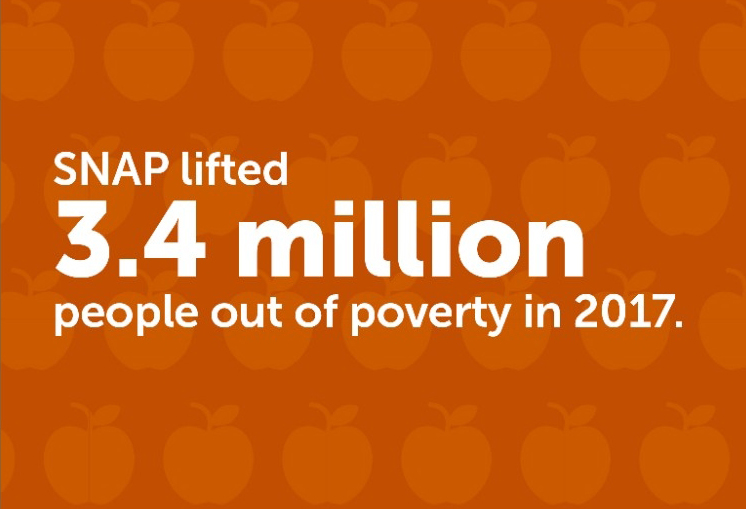
The Farm Bill cleared the U.S. House on a 369–47 vote after passing the Senate with a vote of 87–13, and cuts to the Supplemental Nutrition Assistance Program (SNAP) are not included, according to the Food Research & Action Center. Past versions of the bill had contained a $20 billion cut of SNAP over 10 years. “The negotiators appear to have achieved a bipartisan compromise that maintains and modestly strengthens SNAP, ensuring that millions of struggling Americans will continue to be able to count on SNAP to help them put food on the table,” Robert Greenstein, president of the Center on Budget and Policy Priorities, told the Washington Post. This is great news for Latinos and all. SNAP is proven to: Lifts millions of people out of poverty and helps them stay ...
Eat right and exercise. You’ve probably heard this health message a thousand times. But there’s a growing case for health professionals to ditch the word “exercise,” as it actually may hinder Latinas from getting the disease-preventing physical activity they need. Why? Read on.
Latina Physical Activity & Inactivity
Physical activity, like walking, dancing, gardening, and playing with kids can improve blood glucose control and prevent or delay the onset of type 2 diabetes. New federal physical activity guidelines just came out confirming the health benefits of physical activity. However, Latinos are less likely than other groups to meet these recommendations, and physical inactivity is one reason Latinas have the highest lifetime risk for diabetes across all ...
One traffic death is too many. That’s why Florida (25.6% Latino) has become the first U.S. state to adopt a goal of zero traffic and pedestrian deaths each year. The Florida Department of Transportation (FDOT) even established safety performance targets to align with its “Driving Down Fatalities” vision for a fatality-free transportation system. Read how they did it below in Part 3 of Salud America!’s three-part series on transportation changes in Florida. Part 1 examined Florida’s reinvention of Complete Streets. Part 2 examined the potential for public transit integration.
New Traffic Safety Targets
State departments of transportation (DOTs) and Metropolitan Planning Organizations (MPOs) get money for transportation projects from multiple sources. Each source has ...
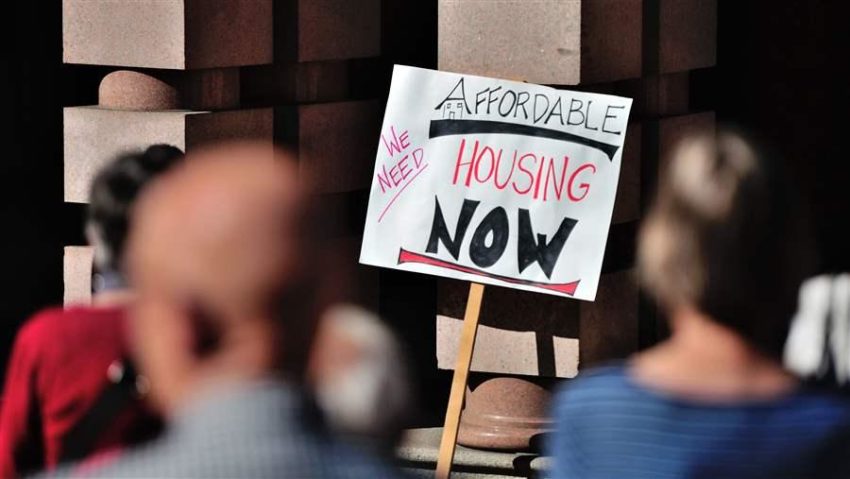
U.S. housing is at its least affordable in 10 years, according to a recent report. So it was no surprise to see lots of affordable housing and rent control measures on local and state ballots during the Nov. 6 midterm election. Voters showed mixed results for affordable housing. Wins occurred in Texas, North Carolina, and Washington. Arizona suffered a big loss. California felt like a split decision. “Tremendous local and state victories on ballot initiatives to address homelessness and housing poverty mean new affordable homes for the people most in need and new alliances and momentum for bigger victories to come,” Diane Yentel, president and CEO of the National Low Income Housing Coalition, said in a statement. “And yesterday proved that housing is a winning campaign ...
Where you live is a bigger predictor of your health and life expectancy than your genes. The places we live are made up of homes, schools, childcare, parks, grocery stores, workplaces, community services, and the streets connecting us to these destinations. However, the places we live were not created equal, contributing to health disparities among Latinos. UPDATE: Check out the recap on Wakelet. Join #SaludTues on Dec. 11, 2018, at 1:00 PM EST to tweet about laws and policies that have created unhealthy places and strategies to reduce place-based health disparities. WHAT: #SaludTues Tweetchat: “Place-Based Health Disparities”
DATE: Tuesday, December 11, 2018
TIME: 1:00-2:00 p.m. EST (Noon-1:00 p.m. CST)
WHERE: On Twitter with hashtag #SaludTues
HOST: ...
London will ban advertisements for unhealthy food on public transportation in February 2019, as a publicly approved way to reduce rising obesity rates. Other cities can use the ban as a model.
London Obesity
London has one of the highest childhood overweight and obesity rates in Europe. Of children ages 10 and 11, more than 37% are overweight or obese. London Mayor Sadiq Khan is particularly concerned because children living in deprived neighborhoods are almost twice as likely to be overweight. “It’s completely unacceptable that in a city as prosperous as London, where you live and the amount you earn can have a massive impact on whether you have access to healthy, nutritious food,” the mayor said in a press release. “I’m determined to change this.” He is ...