In Philadelphia, the 1.5-cent-per-ounce Sweetened Beverage Tax on sugary drinks took effect January 2017. The tax aims to reduce sugary drink consumption and raise funds for health and education programs, such as expanding pre-kindergarten programs and improving parks. The tax also offered a tax credit for companies that sell healthy beverages. Sugary drinks—soda, sports and energy drinks, sugary fruit juices, and flavored milk—contribute to the obesity and related health disparities facing U.S. Latino kids, according to a Salud America! Research Review. The beverage industry challenged the tax, calling it unconstitutional. In July 2018, the tax was upheld. But did it work as intended?
Update on Soda Tax: It’s Working!
The National Bureau of Economic Research has ...
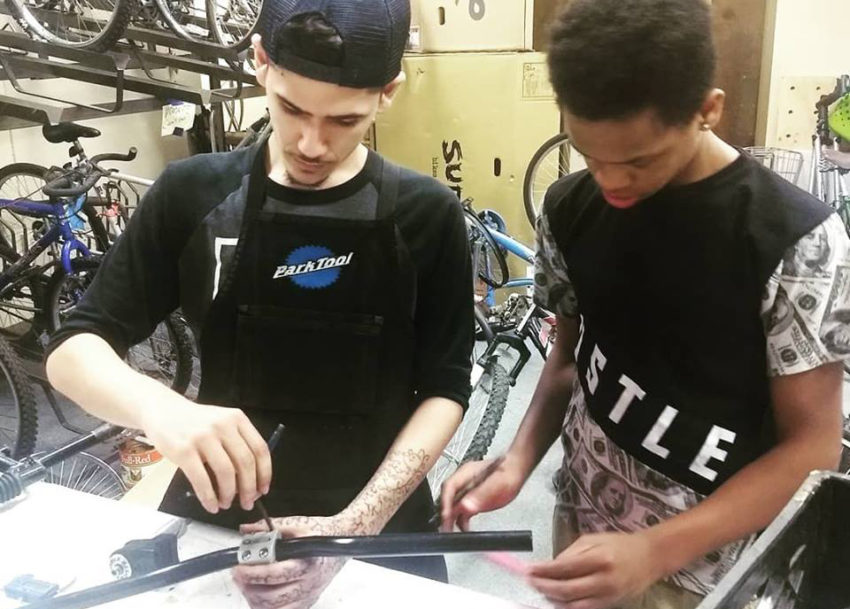
Bicycling shops went extinct in Hartford, Conn. (43% Latino), a few years ago. That’s why, in 2015, the Center for Latino Progress teamed with Hartford Public Schools and Capital Workforce Partners to open BiCi Co.—short for Bicicleta y Comunidad—a community bike shop cooperative run by students. The shop soon became more than a place to get a bike. It transformed into a hub for community connection, civic engagement, and better health, according to Mobility Lab.
How Did They Stimulate Community Connection?
Many people don’t feel an emotional connection to or a sense of membership in their community. Those people are less inclined to take action to improve their own health, according to a 2015 Robert Wood Johnson Foundation survey. Community connection can spur ...
Under the revised House Farm Bill, 1 in 11 households who receive SNAP benefits would no longer be eligible for the program. SNAP not only lifts millions of people out of poverty, it also helps them stay out and improves the economy. And there are real stories behind these facts. The State of Obesity's "SNAP Stories" website showcases people and families who benefit from SNAP.
Who Benefits from SNAP? The State of Obesity report features SNAP Stories of people and families who benefit from SNAP. SNAP Stories is a collection of stories about the benefits SNAP provides for individuals and families all across America. Stories were produced by StoryCorps and Upworthy with funding from the Robert Wood Johnson Foundation. SNAP recipients are the subject of many stigmas and ...
Public health advocates talk about health in an “upstream-downstream” fashion. They want to highlight the importance of health promotion and the influence of social, economic, environmental and cultural factors on health equity for Latino and other people of color. It is a parable: A man and a woman were fishing on the river bank when they saw a woman struggling in the current. They rescued her. Soon, they saw a man struggling. They rescued him, too. This continued all afternoon. Finally, the exhausted pair decided to go upstream to find out where and why so many people were falling in. They discovered a beautiful overlook along the river’s edge without any warning signs or protective barriers. The couple went to community leaders to report the number of victims they had ...
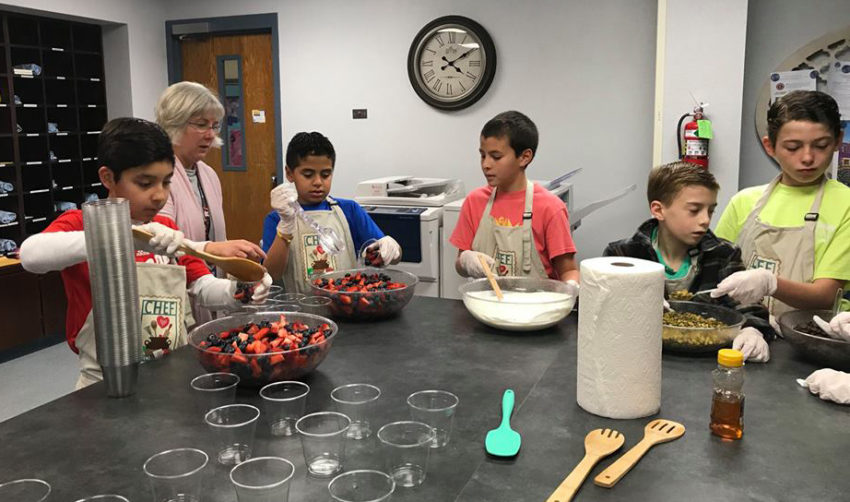
Unhealthy food contributes to disease, especially in Latino families who lack access to healthy foods and nutrition education. Healthy food, on the other hand, is medicine. That's the belief of the Culinary Health Education for Families (CHEF) program in San Antonio (63% Latino). CHEF teaches children and families basic nutrition and practical cooking skills. The long-term goal is to motivate individuals and communities to adopt and sustain healthier eating and wellness habits. “[We want to] make sure that every family, regardless of income level, or education level, can put a healthy, nutritious, familiar meal on the table that’s better for them perhaps than what was there before," said Suzanne Mead Feldmann of the Goldsbury Foundation, a group behind CHEF. CHEF now ...
40 million low-income people across the U.S. are in danger of losing a critical lifeline as federal funding for SNAP, commonly known as the food stamp program, hangs in the balance. But just who are these families? What would losing benefits mean? Two new research reports provide an answer.
SNAP & Families
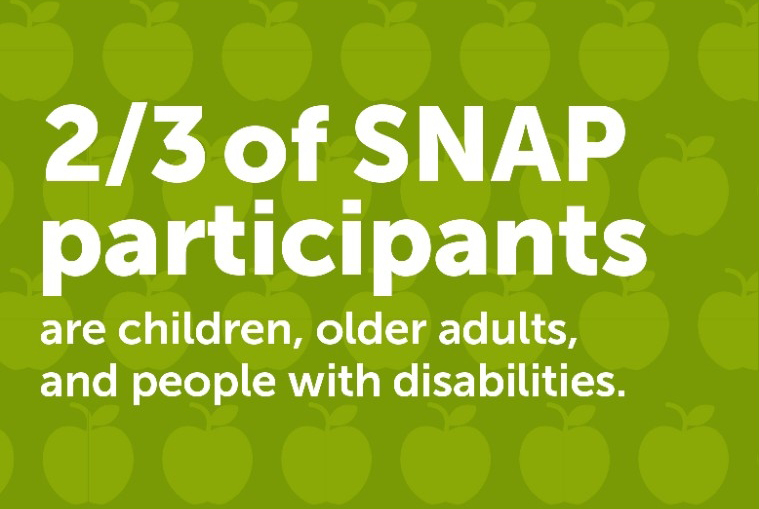
SNAP provides temporary support to help people and families afford food. It is the nation’s largest nutrition assistance program, with $70 billion in funding in fiscal-year 2017. Latinos comprise more than 20% of SNAP participants. But 1 in 11 households who receive SNAP benefits would no longer be eligible under a revised House Farm Bill, according to data from Mathematica Policy Research cited by the recent State of Obesity report from Trust for America's Health ...
No money. No quality childcare. No social or legal support. These big stressors plague many parents, and can spur domestic violence and child maltreatment, hampering a child’s early and future development. Fortunately, Project DULCE is testing a unique solution. DULCE adds a “family specialist” to a child’s pediatric healthcare team. The Family Specialist builds relationships of trust and respect with enrolled families and connects families to social services if they want ─ like food stamps, housing vouchers, and legal services ─ to reduce economic stress and prevent maltreatment. Public health advocates often talk about health and quality of life in an “upstream-downstream” fashion. They want to highlight the importance of prevention and the influence of ...
As an avid cyclist, Brian Pearson loved riding the new $8 million hike-and-bike trail in his town of Fall River, Mass. (8% Latino). Then he learned a new road project could damage the trail. The 2.4-mile Alfred J. Lima Quequechan River Rail Trail—which fully opened in May 2017 after nine years of work and an $8 million investment by the state to improve mobility and access to safe places to play—was jeopardized when city officials tried to enable a developer to build a road that would have crossed and re-routed the trail. Pearson and others were outraged. They gathered information, attended city meetings, and held a rally. They even hired a lawyer to fight for trail preservation. Would it be enough to save the trail?
Restoring the River The Quequechan River Rail ...
A few years ago, San Antonio City Council member Rey Saldaña tried his own transportation experiment. He ditched his car and relied on public transit for one month. The good? Saldaña met great people. He read. He explored the city. Parking was no problem. The bad? When buses ran late, he missed connections and showed up late to council meetings. Rain drenched him at bus stops. He had to skip fun activities because of a lack of frequent routes. Saldaña’s eye-opening experiment led him to champion more funding for VIA Metropolitan Transit (VIA), the regional mass transit agency serving San Antonio and Bexar County, which operates with the least amount of funding among all major transit authorities in Texas. His efforts spurred the city to invest millions to improve public ...