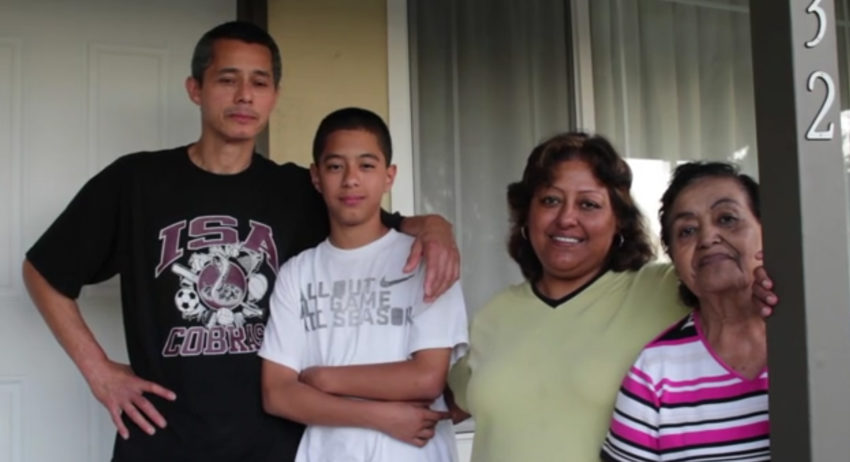
What does it take to help Latinos access below-market-rate housing in San Francisco's Mission District, a traditionally Latino neighborhood that has seen 8,000 Latinos displaced by high-cost housing since 2000? Collaboration.
The Mission Economic Development Agency (MEDA) is teaming up with more than a half-dozen Latino-focused community groups—like Faith in Action, Instituto Familiar de la Raza, and Mission Neighborhood Health Center—to foster education and action around below-market-rate apartment options.
They also work with partners to create new affordable housing properties. They also have programs to help Latinos save their homes from foreclosure.
The end goal: increase the number of Latinos who successfully obtain affordable housing units.
"We have a strong sense of ...
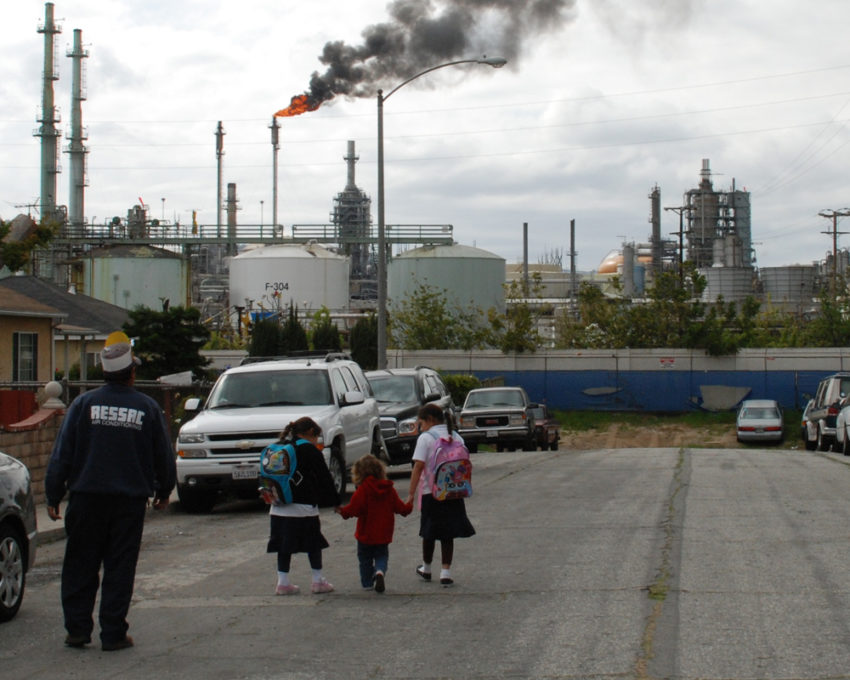
Air pollution is the world’s greatest environmental health threat. Sadly, Latinos and other minorities breathe 38% more polluted air than whites. It’s even worse in California, where the Latino (39.1%) and Black (6.5%) populations live in regions with the dirtiest air in the state, according to a new environmental report from California Environmental Protection Agency. "These folks primarily live in low-income, disadvantaged communities often found near ports, warehouses, rail yards, and factories that foul the air, pollute the water and rain toxins down on playgrounds, parks and backyards," writes Rocky Rushing of the San Francisco Chronicle about the new report.
California Air Quality
In California, 44% of Latinos live in communities with poor air quality, compared to ...
Toddlers and preschoolers who grow up amid poverty and racism are at a developmental disadvantage and face lifelong social, health and economic consequences that hinder health equity, according to a new report from the Robert Wood Johnson Foundation (RWJF) and the University of California, San Francisco (UCSF). This includes Latino kids, who are prone to hardships in early childhood. Experiencing poverty and racism in the first five years of life can “set off a vicious cycle of inequities” from obesity, stress, and developmental problems that affect adulthood and future generations. Fortunately, the report explores ways to overcome or prevent these damaging effects. “Reducing child poverty, eliminating structural racism, and providing universal high-quality early care ...
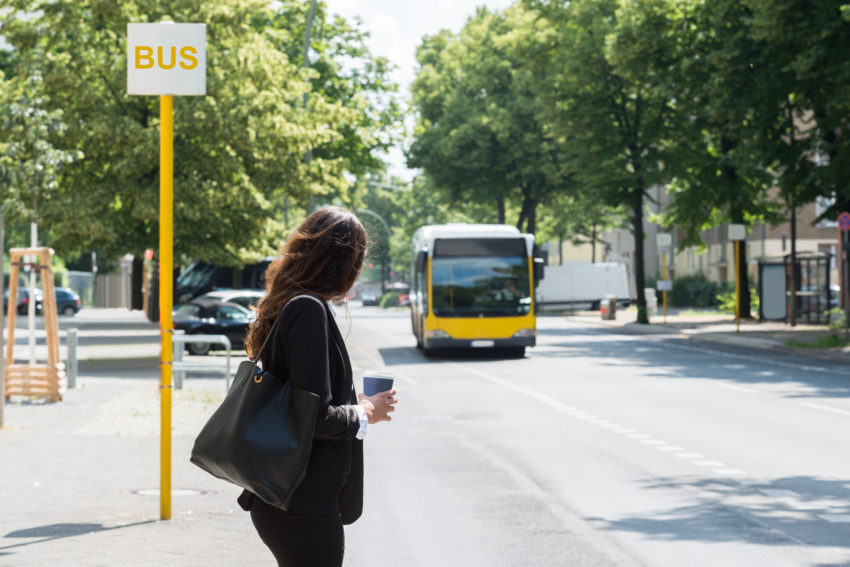
Transportation affects health. Latinos, for example, often face unsafe streets and big transportation hurdles that make it hard, costly, and even deadly to access basic and health needs. They end up suffering higher rates of disease, diabetes, depression, pedestrian injuries and deaths, and more. Yet transportation and public health professionals don’t always get together for solutions. Fortunately, the Transportation Research Board is enabling these connections. The Board created its Health & Transportation Subcommittee in 2011, hosted a topical conference and magazine edition in 2015, and will carve out space in its 2018 annual meeting to explore this topic. “[We aim] to identify, advance and publish research and information to expand and improve current ...
Cam Juarez knows the bad stats. Latinos are just 2% of visitors to Saguaro National Park, despite being 40% of the population in Pima County, Ariz. They miss a big chance to connect with nature and be physically active. Heck, Juarez himself lived nearby for 26 years before visiting Saguaro. Now Juarez's job—Saguaro's "community engagement coordinator"—is to raise Latino park attendance. And, by mixing cultural events with workforce diversity and bilingual community and school outreach, he's helped raised attendance and at the same time created a model for other parks to solve a national issue: How to get Latinos to come to national parks. How'd Juarez do it?
Latinos, Physical Activity, and National Parks
Cam Juarez was born with a heart defect—likely due to the ...
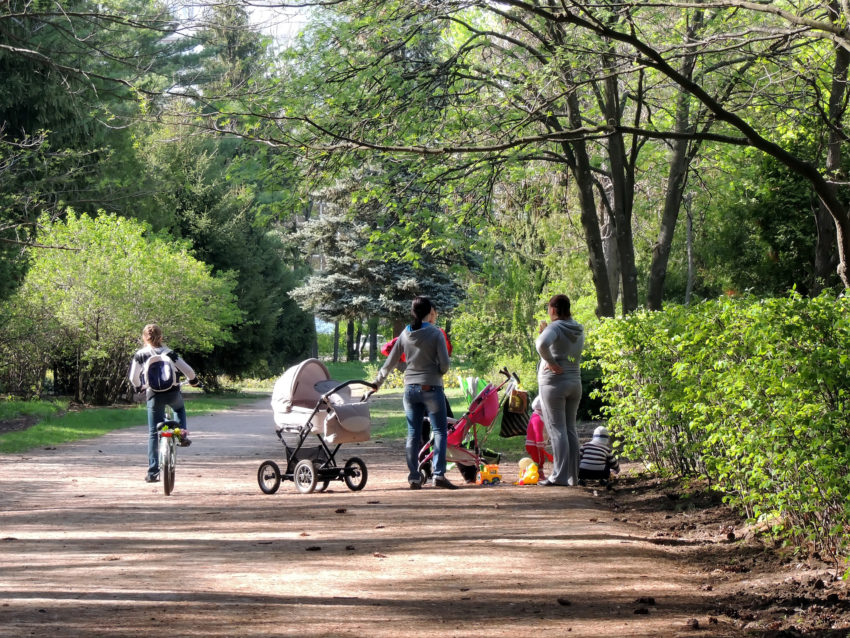
Want to change your life? Walk. Walking can boost your health, the way you live, and your community. As a physical activity, walking changes your body physiologically, improving mental and physical health. As a lifestyle, walking in your local neighborhood and parks can enhance your social and environmental awareness. You'll see things you can’t see while driving. As a driver of community change, walking contributes to building a culture of health through peer-modeling and observational learning. You change your parks and trails simply by being there. Sharing what you see—good and bad—can encourage others to walk and advocate for sustainable, equitable change. UPDATE: Check out the recap on Wakelet. Join us for a #SaludTues Tweetchat on July 24, 2018, to tweet ...
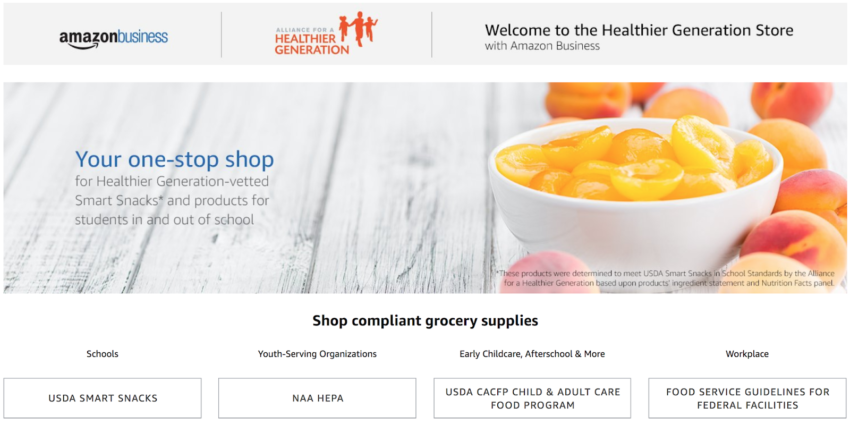
Not sure if a snack food for your school or afterscool program meets federal nutrition guidelines? Check out the new Healthier Generation Store with Amazon Business, a first-of-its-kind online marketplace committed to selling products that align with the USDA Smart Snack in School Standards. The store was created by the Alliance for a Healthier Generation. "The Healthier Generation Store was created to provide schools and sites with an option that may help them more easily access products that meet nutritional guidelines," according to the Alliance website. "[Store] products were determined to meet nutrition standards by the Alliance for a Healthier Generation based upon products’ ingredient statement and Nutrition Facts panel." The store aims to support schools and groups ...
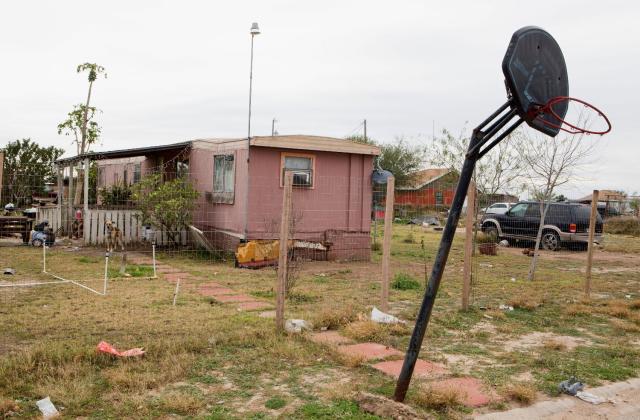
Health problems plague the half-million people living in colonias in South Texas, U.S. News reports. Colonias are predominantly Latino, unincorporated, and impoverished areas along the Texas-Mexico border. People live in makeshift shacks or trailers. They lack streets and basic public services, such as running water. Texas has about 2,300 colonias. 900 are in the Rio Grande Valley, including Hidalgo County. The county is one of the fastest growing counties in Texas, home to the bigger cities of McAllen & Edinburg. "Ramshackle living conditions [in colonias] have led to a plethora of health concerns," according to the news report. "About 38,000 colonia residents lacked access to clean drinking water."
Colonia Health Concerns
Many Latino families lack of support for economic ...
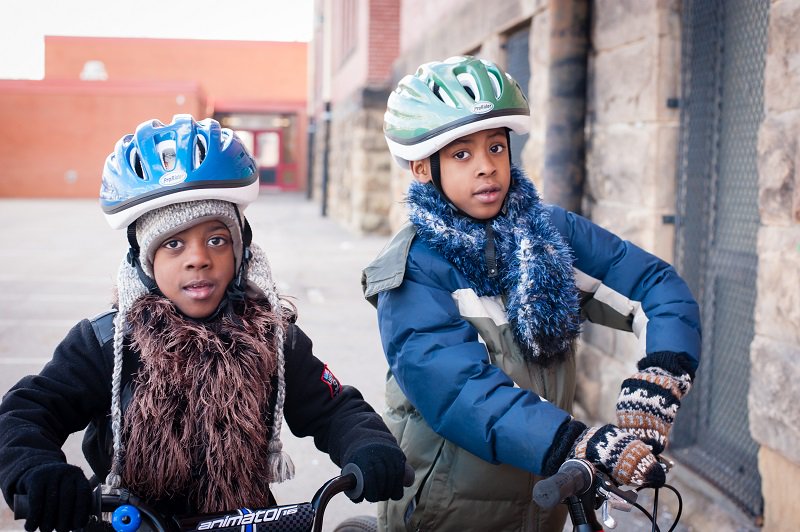
The Safe Routes to School National Partnership (Safe Routes) is raising awareness to end over-policing as a safety solution in walking and biking initiatives. Racial profiling by police, for example, threatens drivers, pedestrians, and cyclists of color. These Latinos and other minorities, who already face less safe roads and fewer places to walk and bike, deal with a greater burden of traffic and pedestrian violations, too. Safe Routes wants you to stand up for minorities by sharing on Twitter, Facebook or Instagram. “As walk and bike advocates, we need to come together to protect people in communities made vulnerable not only by missing and poorly maintained bike lanes and sidewalks and inequitable policies, but also by over-policing,” wrote Holly Nickel, coalitions and ...