The number of Latino-serving colleges and universities has risen 85% of the past 10 years, from 264 in 2007 to 492 in 2017, according to a new report by Excelencia in Education. A "Hispanic-Serving Institution" (HSI) has 25% or more undergraduate full-time equivalent Latino enrollment. In 2016-17, the U.S. had 492 HSIs. That's 15% of all colleges and universities. Here are other key data: HSIs are present in 21 states and Puerto Rico.
HSIs are very concentrated geographically. 84% were located in 6 states and Puerto Rico. California has the most. Then follows Texas, Puerto Rico, New York, Florida, Illinois, and New Mexico. Most HSIs are urban (85%)
HSIs enroll 65% of all Latino undergraduates in higher education.
HSIs enroll 4.2M total undergraduates.
HSIs ...
Food deserts aren’t the only thing that drag down health in many Latino neighborhoods. “Food swamps” may be a bigger worry. While a food desert is an area more than 2 miles or 15 minutes away from a grocery store, a food swamp includes the food desert AND a high-density of stores and restaurants that offer high-calorie fast food and junk food, relative to healthier food options. Food swamps also are highly linked to obesity, according to new data from the UCONN Rudd Center for Food Policy and Obesity, The Atlantic reports. “Food swamps had about four unhealthy options for each healthy one,” according to The Atlantic. “The relationship between food swamps and obesity was especially strong in areas where people lacked both their own cars and access to public ...
Latino parents were less likely to search for Head Start, preschool, or other early card and education (ECE) programs than their black or white peers, according to a new report. The report, from the National Research Center on Hispanic Children and Families, examined national data to find out why and how low-income Latino parents search for ECE programs. ECE programs play a big role in reducing racial/ethnic disparities in early learning and later school outcomes. Turns out, only 35% of low-income Latino parents searched for ECE in the past 24 months. That’s less than black (49%) and white (41%) parents. “This may indicate that the ECE search process is more burdensome for Hispanic households, particularly if language barriers make it more difficult for them to access ...
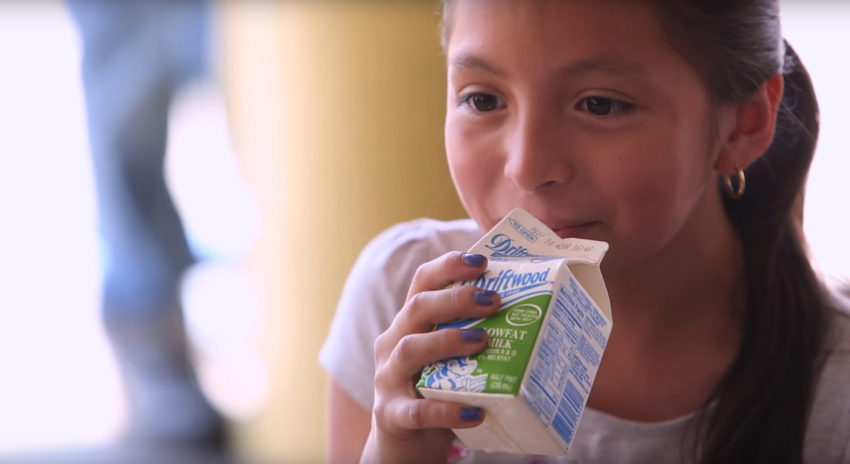
Obese Latino children who consume at least two servings of any type of cow’s milk daily are more likely to have lower fasting insulin, indicating better blood sugar control, according to a new study. The study points to milk's importance for kids, despite its declining consumption. U.S. milk consumption has consistently fallen over the past few decades. Adolescent consumption dropped by nearly half – to less than a cup daily – between 1977 and 2006, according to the USDA. “Our findings indicate that obese children who consume at least the daily recommended amount of milk may have more favorable sugar handling and this could help guard against metabolic syndrome,” Dr. Michael Yafi, the study’s first author and professor of pediatrics at McGovern Medical School at ...
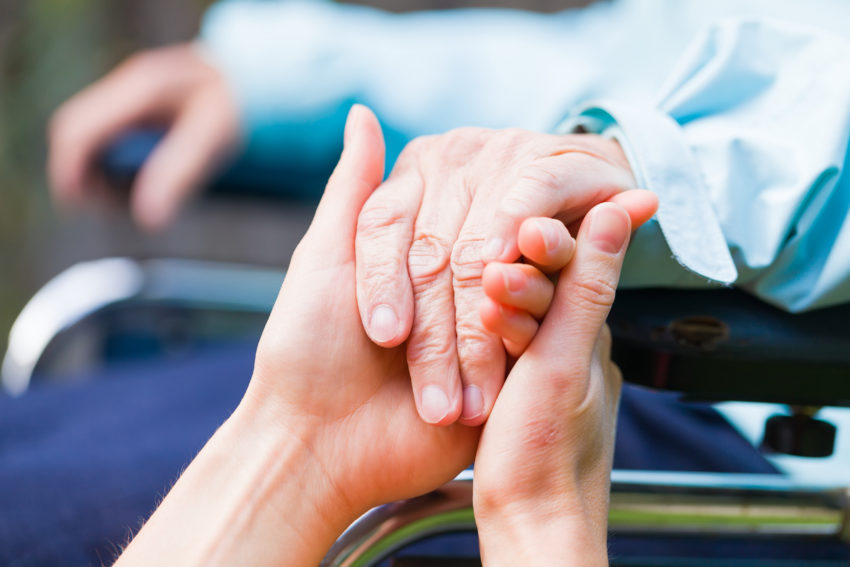
In Latino culture, family is the heart and children are expected to be caregivers for their aging parents. 1 in every 3 U.S. Latino households has at least one family caregiver. These Latino caregivers—mainly women in their 40s—juggle multiple jobs or leave the workforce entirely to enter the respectable but high-stress role of taking care of aging family members, who are 1.5 times more likely to develop Alzheimer's disease and other age-related mental health issues. Latino caregivers of Alzheimer’s Disease patients deal with high levels of stress, anxiety, and depression symptoms, studies show. "Too often, Latino caregivers do not know where to turn for guidance, relief, and support for their caregiving activities," according to a recent report from the National Hispanic ...
One in three U.S. children younger than 8 lives in a non-English-speaking household, which makes them “dual language learners.” These dual language learners─often Spanish-speaking Latinos─may fall behind in a country where 81% of teachers are white, unless they benefit from a diverse early childhood workforce, according to new research from the National Association of State Boards of Education (NASBE). That’s why NASBE released a policy update urging state boards to take action to increase the quality and diversity of the teacher workforce. “It can help them more quickly develop social and emotional skills and gives them an opportunity to learn in a rich language and literacy environment,” the NASBE report states.
Why Latino Kids Need a Diverse Teacher ...
Why is men’s health so important for Latino and other men of color? Men die at higher rates than women from the top 10 causes of death and are the victims of over 92% of workplace deaths. Women are also more likely to visit the doctor for annual examinations and preventive services than men. Latino men live five years less than Latinas. They face high incidence and mortality rates due to prostate cancer, are more likely to be smokers, and are more likely to have undiagnosed mental health issues. These issues need our attention. So, for National Men’s Health Month in June, let’s use #SaludTues on Tuesday, June 5, 2018, to tweet about the state of men’s health and emerging strategies to improve men’s healthcare! WHAT: #SaludTues Tweetchat─Improving Men’s ...
More than 1 in 4 Latina high-schoolers have thought about committing suicide. Suicide attempts among Latina teenagers are at a higher rate than their non-Hispanic White female and Hispanic male peers, according to a Salud America! research review. That’s why it is important to explore the reasons why─and what to do about it.
Latinas and Mental Health
In the Latino community, mental health problems often are not spoken about. There is a stigma attached to it. Or people just don’t know enough about it, according to an article. That’s especially true for Latinas. “The expectations of what makes a ‘good’ Latina are often rooted in propriety and maintaining appearances, specifically when it involves something as personal as mental health or illness,” wrote Liz ...
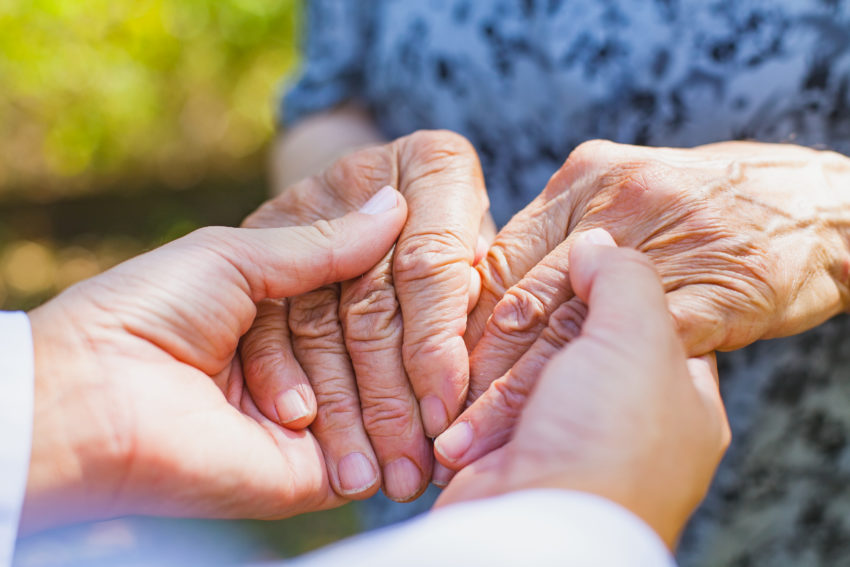
More than 5.7 million Americans live with Alzheimer’s disease, a number expected to rise to 14 million by 2050, according to a March 2018 report by the Alzheimer’s Association. There is one new Alzheimer’s case every 65 seconds. Sadly, U.S. Latinos are 1.5 times more likely to develop Alzheimer's disease than whites, studies show. Preventing Alzheimer’s is critical as the young Latino population ages. “The number of Hispanic elders with Alzheimer's and related dementias could increase more than six-fold, from fewer than 200,000 today to as many as 1.3 million by 2050,” according to the Alzheimer’s Association. Alzheimer’s Disease in Latinos In the U.S., two-thirds of Alzheimer’s patients are women. Latinas are at higher risk than ...