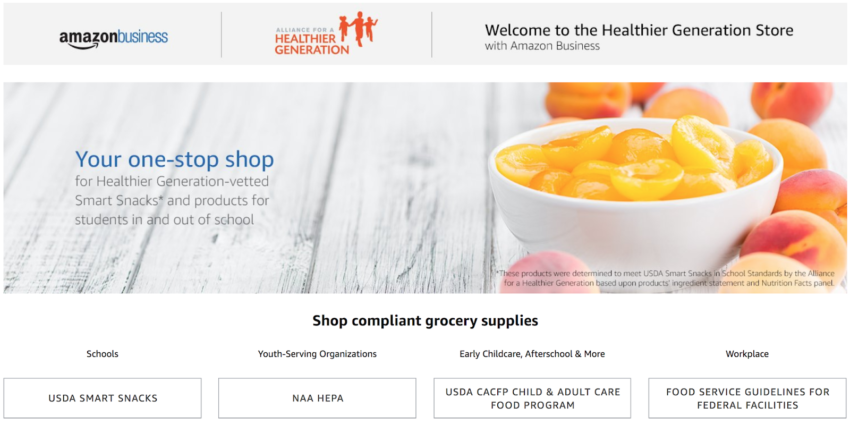
Not sure if a snack food for your school or afterscool program meets federal nutrition guidelines? Check out the new Healthier Generation Store with Amazon Business, a first-of-its-kind online marketplace committed to selling products that align with the USDA Smart Snack in School Standards. The store was created by the Alliance for a Healthier Generation. "The Healthier Generation Store was created to provide schools and sites with an option that may help them more easily access products that meet nutritional guidelines," according to the Alliance website. "[Store] products were determined to meet nutrition standards by the Alliance for a Healthier Generation based upon products’ ingredient statement and Nutrition Facts panel." The store aims to support schools and groups ...
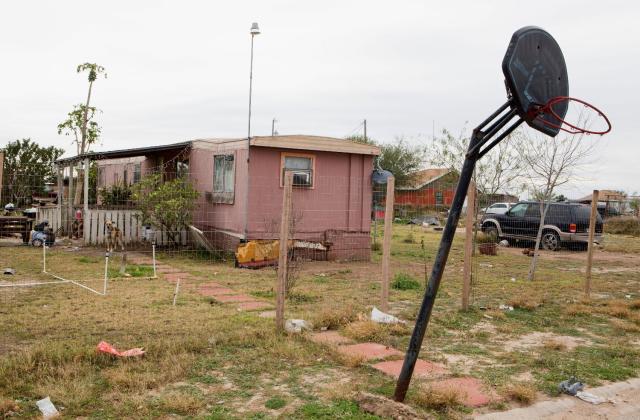
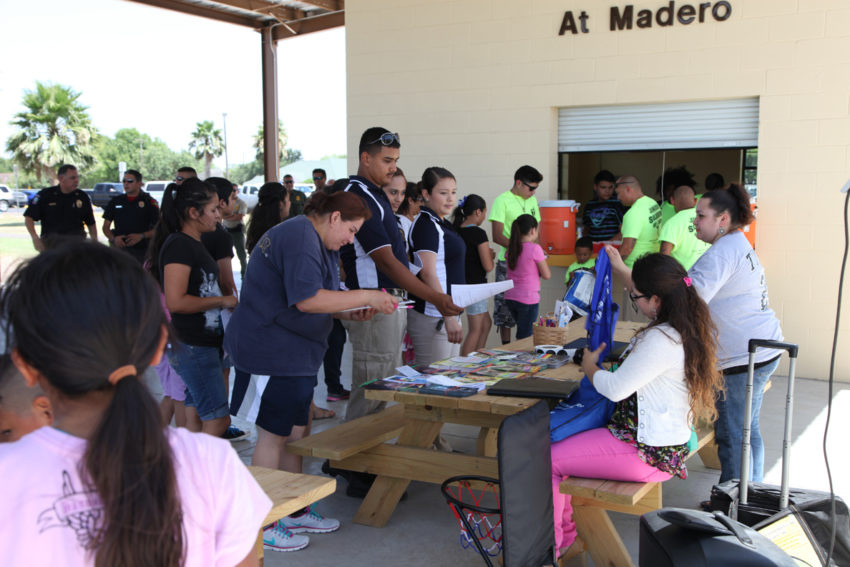
Health problems plague the half-million people living in colonias in South Texas, U.S. News reports. Colonias are predominantly Latino, unincorporated, and impoverished areas along the Texas-Mexico border. People live in makeshift shacks or trailers. They lack streets and basic public services, such as running water. Texas has about 2,300 colonias. 900 are in the Rio Grande Valley, including Hidalgo County. The county is one of the fastest growing counties in Texas, home to the bigger cities of McAllen & Edinburg. "Ramshackle living conditions [in colonias] have led to a plethora of health concerns," according to the news report. "About 38,000 colonia residents lacked access to clean drinking water."
Colonia Health Concerns
Many Latino families lack of support for economic ...
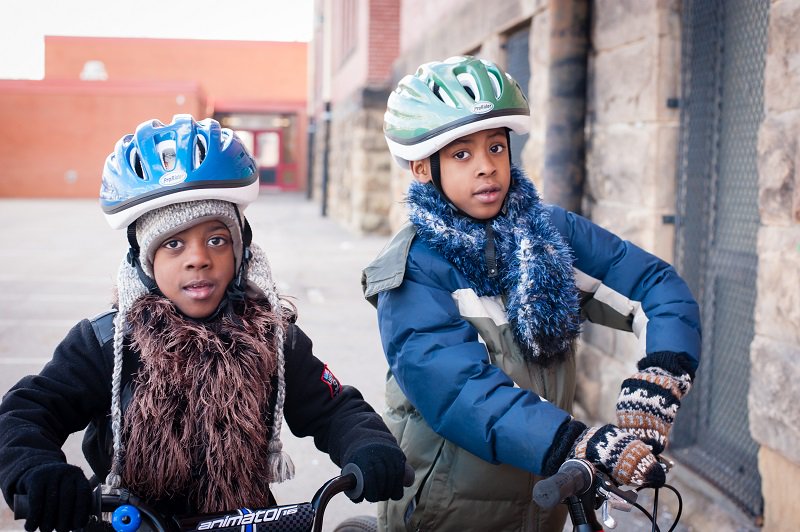
The Safe Routes to School National Partnership (Safe Routes) is raising awareness to end over-policing as a safety solution in walking and biking initiatives. Racial profiling by police, for example, threatens drivers, pedestrians, and cyclists of color. These Latinos and other minorities, who already face less safe roads and fewer places to walk and bike, deal with a greater burden of traffic and pedestrian violations, too. Safe Routes wants you to stand up for minorities by sharing on Twitter, Facebook or Instagram. “As walk and bike advocates, we need to come together to protect people in communities made vulnerable not only by missing and poorly maintained bike lanes and sidewalks and inequitable policies, but also by over-policing,” wrote Holly Nickel, coalitions and ...
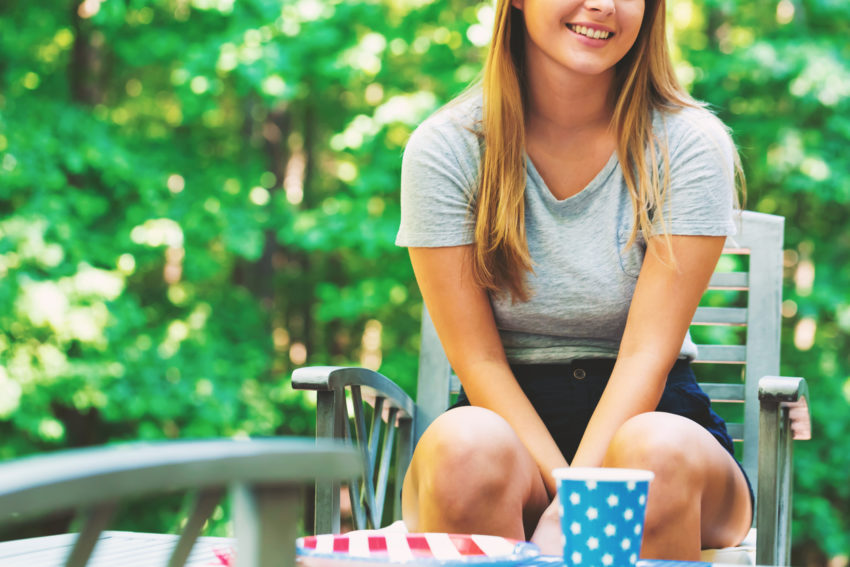
Water is a key ingredient for every good Fourth of July party, whether you are poolside, at the beach, or at a family barbecue on this sweltering summer day. That's because drinking water can keep you hydrated as you sweat outside. Sweating during the sizzling heat of July can lower the body's water level. This can cause dehydration. It can affect normal bodily functions in the heart, brain, and lungs. So how much water do the experts order? "To avoid dehydration, active people should drink at least 16- 20 ounces of fluid one to two hours before an outdoor activity. After that, you should consume 6 to 12 ounces of fluid every 10 to 15 minutes that you are outside," according to the Cleveland Clinic website. "When you are finished with the activity, you should drink more. How ...
Evelyn Brito went to buy some vegetables for her 2-year-old daughter, but was stunned to find no fresh produce in her local bodega, a small grocery store in her Spanish-speaking neighborhood in Lynn, Mass. (38% Latino). Instead, unhealthy chips, cookies, and processed foods lined the bodega shelves. Brito wanted to change all that. Brito, an independent filmmaker and marketer, turned the cameras on the local food environment and engaged bodegas in finding a solution. That led to “Bodega Makeover,” a unique docu-reality web series.
The Junk Food Problem in Lynn
Brito grew up around bodegas in Boston. Her father worked in one when she was a child. “I would go to a bodega to get freshly peeled oranges for less than a dollar and the owner would ask me how my ...
Goodbye, boring health fairs. Hello, block parties for health. City leaders and health advocates in Wilmington, Del. (12.2% Latino), will host about 30 block parties this summer to promote family time, play, and neighborhood health in areas with high rates of obesity, diabetes, and cancer, delawareonline reports. The block parties, called "Play Street," will take place from June through August. They're part of the New Castle Healthy Neighborhoods program made possible by a federal grant. At each block party, officials block off a part of the streets so families can partake in activities like basketball and jump rope. Healthy snacks and drinks will be on tap. Health screenings will be available. But no more than two health info booths will be set up. "We want kids to ...
Healthy mind. Healthy body. Health baby. Whether you are planning to get pregnant now, next month, or in the future, preconception health is extremely important for Latino and all parents. When you hear about preconception health, one often assumes this responsibility lies with the women, but a man's health can be just as important when it comes to having a healthy baby. At a population level, preconception health can drastically improve birth outcomes by reducing the number of babies born prematurely or at low birth weights, according to the CDC.
What should both partners do before planning a pregnancy?
For Latino and all families, preconception health should involve both partners wanting to take initiative to improve the chances of a healthy pregnancy. Regardless of ...
Women who eat a lot of fast food may take longer to become pregnant and be more likely to experience infertility than those who rarely eat fast food, Reuters reports. Women who ate fast food at least four times a week had a 16% risk of infertility and failed to conceive after 12 months of trying, according to a study by the Robinson Research Institute and the University of Adelaide in Australia of 5,598 first-time mothers in Australia, New Zealand and the UK. The risk was only 8% in women who rarely or never ate fast food. This has big implications for Latinas' fertility and the food environment.
Latinas and Fertility
"In families of color, there’s an assumption that when you want to get pregnant, you get pregnant," one woman told the New York Times a few years ago. But ...
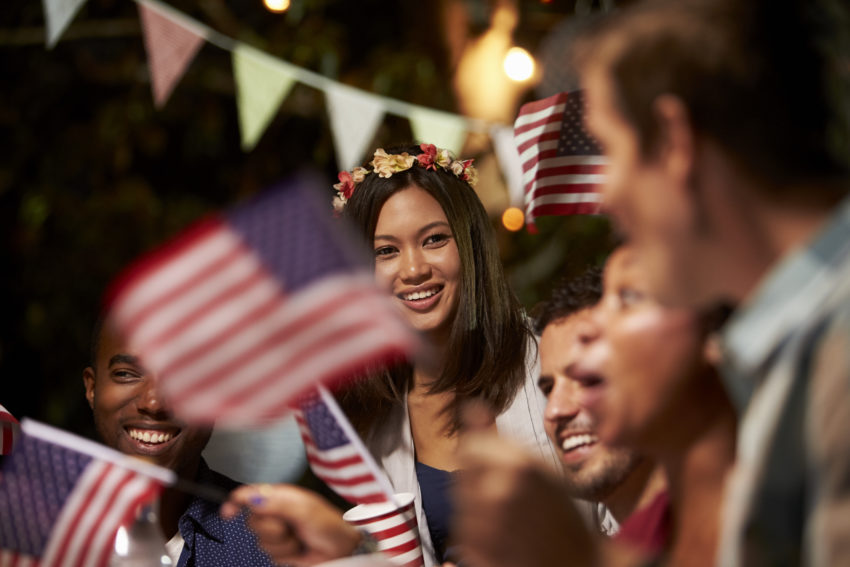
Independence day is right around the corner which means families and friends will be gathering to celebrate the many things they have to be grateful for. Fireworks, picnics, BBQs, and time spent unwinding outdoors are just some of the wonderful activities that come to mind as we get ready to celebrate this July 4th. What will you be doing this 4th of July to have fun, be healthy, and stay safe? Join us this #SaludTues on Tuesday, July 3, 2018, to tweet about ways to celebrate a fun and healthy 4th of July holiday! WHAT: #SaludTues Tweetchat: How to Celebrate a Fun & Healthy 4th of July!
TIME/DATE: 1-2 p.m. ET (Noon-1 p.m. CT), Tuesday, July 3, 2018
WHERE: On Twitter with hashtag #SaludTues
HOST: @SaludAmerica
CO-HOST: @ChapCareOrg @eatright, ...