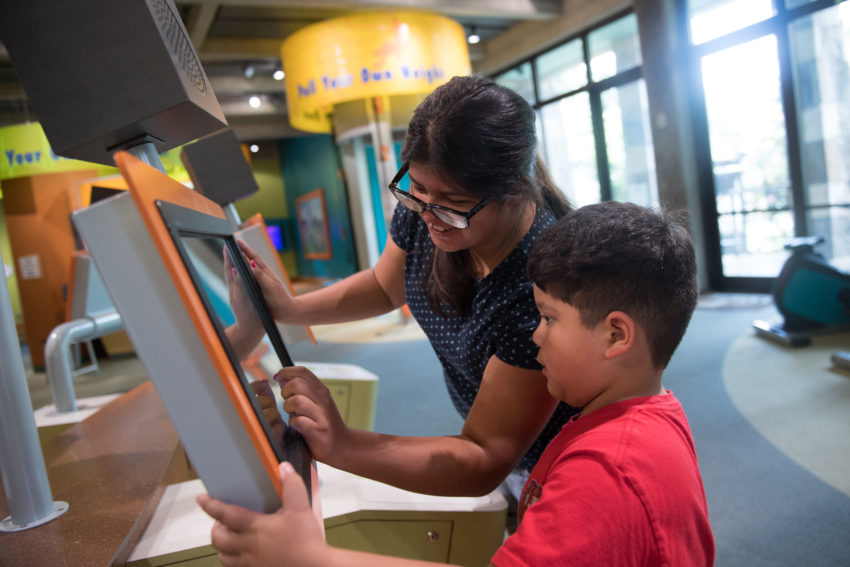
Over 1 in 2 Latinos are at risk for developing type 2 diabetes at some point in their lifetime. The good news is that type II diabetes can often be delayed or prevented with modest (5-7%) weight loss. But how can one act if they don't know their risk? Contrary to what some might believe, the cause is not always genetic. Even individuals with prediabetes can still take important steps to prevent from seeing the disease progress into diabetes. One important step for prediabetic individuals is getting referred to a diabetes prevention program. However, of 84 million individuals with prediabetes, only 11.6% are aware they have this condition. Join us this #SaludTues on Tuesday, September 25, 2018, to find out how to take action and tweet about Latinos and the Diabetes Prevention ...
Two majority-Latino communities are among the four winners of the 2018 Robert Wood Johnson Foundation (RWJF) Culture of Health Prize! San Antonio, Texas (63.6% Latino) and Cicero, Ill. (88.8% Latino) were chosen from nearly 200 applicants. Eatonville, Fla., and Klamath County, Ore., also won. These communities made strong efforts to build a culture of health is where everyone has a fair and just opportunity to be as healthy as possible. They brought neighborhood, school, and business partners together to improve health for all residents. Winning communities get a $25,000 prize and will have their inspiring stories shared by RWJF. “These inspiring places are engaging community members in decision making to give all residents the opportunity to live well, no matter where they ...
Adult obesity rates reached 35% in at least 7 states and saw increases in 31 states across the U.S. from 2012-2017, while no significant drops in obesity rates were seen in any state, over the last year. These are the latest findings from a report from the Trust for America's Health and The Robert Wood Johnson Foundation. The report developed using data from the CDC's Behavioral Risk Factor Surveillance Survey (BRFSS) goes on to highlight how adult obesity continued to rise in at least 6 states: Iowa, Massachusetts, Ohio, Oklahoma, Rhode Island, and South Carolina, between 2016-2017. In the case of Iowa and Oklahoma, this is the first time these states reach the 35% obesity threshold. The states with the highest levels of obesity by rank are: #1- West Virginia ...
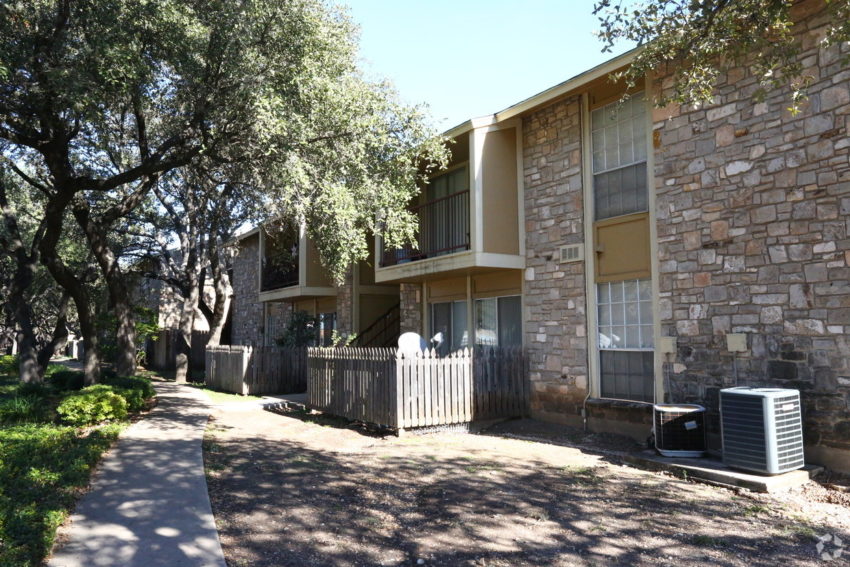
“Affordable living” is a myth for many people in San Antonio, Texas (63.6% Latino). More than half of people here don’t make the $18 an hour needed to afford the median apartment rent. Population and job growth outpace housing by 2.3 to 1. Affordable housing is lacking. Evictions nearly doubled between 2013 and 2016. This threatens economic opportunity and health for many Latino families. That’s why the Mayor’s Housing Policy Task Force’s new report urges the San Antonio City Council to budget for new housing jobs, triple city spending on affordable housing production and rehabilitation, and even change the city’s charter to create new ways to pay for more affordable housing. “For us to make a significant impact, it’s going to require a long view and ...
Commuting is often the worst part of our day. Driving is linked to poor physical and mental health, increased risk for traffic fatalities and serious injuries, and is the leading cause of greenhouse gas emissions. Changing the way you commute can help improve your health and the health of the environment. Whether you’re heading back to school or just want to change up your routine, ditch the car and explore ways to add walking, biking, and transit to your commute. UPDATE: Check out the recap on Wakelet. Let's use #SaludTues on September 11, 2018, to tweet about ways to change your commute and why it’s important. WHAT: #SaludTues Tweetchat: “Change the Way You Commute: Why & How”
TIME/DATE: 1-2 p.m. EST Tuesday, September 11, 2018
WHERE: On Twitter ...
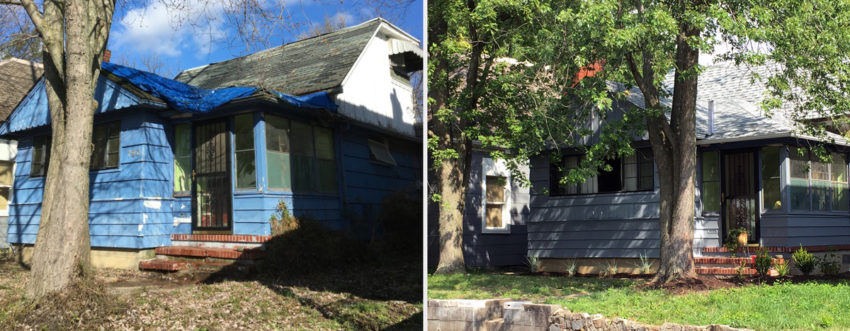
In Columbus, Ohio (5.8% Latino), the diverse Southern Orchards neighborhood suffers racism, a lack of affordable housing, economic segregation, violent crime, poverty, and expensive medical use. That’s why the whole neighborhood has become a hospital’s “patient.” Nationwide Children’s Hospital saw “unsafe conditions” as their patient’s top symptom. They diagnosed their patient with “unstable housing,” which is known to cause many economic, social, and health hardships, especially for Latinos and other people of color. The hospital prescribed a “housing intervention” and spent the past 10 years revitalizing Columbus’ South Side and Southern Orchards neighborhood through its Healthy Neighborhoods Healthy Families (HNHF) partnership with faith, community, ...
About 1 in 6 children are food insecure. They don't know where their next meal is coming from. Fortunately, your school can help these students! The new Salud America! "School Food Pantry Action Pack" is a free guide to help school personnel talk to decision-makers, work through logistics, and start a School Food Pantry to help hungry students and reduce local food insecurity. A School Food Pantry accepts, stores, and redistributes donated and leftover food to students. The Action Pack was created by Dr. Amelie G. Ramirez, director of Salud America! at UT Health San Antonio. Dr. Ramirez had input from Jenny Arredondo, nutrition director at San Antonio ISD, who started school food pantries on 10 campuses in 2017-18, based on a Texas law change led by Diego Bernal. Get the ...
Food swamps cover large parts of the Dallas area. In fact, almost 700,000 Dallas County residents—including more than 245,000 children—live in low-income communities with limited supermarket access, according to a Dallas Morning News report.
Food Swamps & Latinos
We already know that food deserts and food swamps are making low-income Latinos obese. A food desert is an area more than 2 miles or 15 minutes away from a grocery store. A food swamp includes a food desert and a high-density of stores and restaurants that offer high-calories fast food and junk food, relative to healthier food options. It can be hard for Latina mothers to navigate food swamps. For Dallas’ Latino and black populations in areas like Pleasant Grove, Oak Cliff, and East Dallas, food ...
Latino and black children are more likely to die of numerous childhood cancers than their white counterparts, NPR reports on a new study in the journal Cancer. Latinos also are more likely to receive a cancer diagnoses in later, less curable cancer stages. Socioeconomic status plays an enormous role in childhood cancer survival as well. Latino and black children are more likely to live in areas of poverty, which subjects them to persistent racism and institutional bias. "We know that there are some economic differences that are closely tied to race and ethnicity," Rebecca Kehm, lead author of the study, told NPR. "I wanted to show that there are other factors at play than the genetic component."
The Study: Social Class & Disparities
Cancer is the leading cause of death ...