Climate change is happening and it can worsen health. Automobiles, for example, impact the climate by contributing to extreme heat, poor air quality, and health issues like asthma. Extreme weather conditions can damage transportation networks, limiting access to education, employment, or healthcare, and can lead to spikes in gasoline prices. Vulnerable populations—Latinos, low-income communities, the elderly, children, and people with chronic illnesses—are less able to adapt to or recover from these climate change impacts, increasing their risk for heart disease, diabetes, heat stroke, asthma, stress, anxiety and depression. Clean transportation and healthy community design can ease the negative health impacts of climate change and have the potential to reduce obesity, heart ...
You have spoken up big-time for healthy physical activity! In fact, Salud America! network members provided 73% (203) of the 278 public comments made during the U.S. Department of Health and Human Services' comment period to help shape the next edition of its Physical Activity Guidelines for Americans. Public comments will be considered alongside a new report released by the Physical Activity Guidelines Advisory Committee. The guidelines haven’t been updated since 2008. "Salud America! members' big participation in the public comment period will likely play an important role in ensuring the equity in the new Physical Activity Guidelines for Americans," said Dr. Amelie G. Ramirez, director of Salud America! and leader of the Institute for Health Promotion Research at UT Health ...
You soon won't find sugary drinks on kid's menus in Baltimore, anymore. The Baltimore City Council on March 12, 2018, approved a bill that requires restaurants to remove sugary drinks from their kid's menus, making it the largest American city to pass such legislation. UPDATE: Mayor Catherine Pugh gave the bill a final signature on April 19, 2018. The default drink on kid's menus now will be water, milk, 100% fruit juice, sparkling water, and flavored water without added sweeteners. Families can order other drinks upon request. "The bill is designed to address overconsumption of sugary drinks as a key factor in high rates of chronic diseases such as type 2 diabetes, heart disease and tooth decay. One in four children in Baltimore drinks at least one soda each day," said ...
How do you drive healthy, obesity-reducing activities in communities across your state? The IT'S TIME TEXAS Community Challenge is one way to start! The annual challenge, sponsored by Texas grocer H-E-B, engages cities and city leaders in competition over 8 weeks to see whose residents can start and participate in healthy living activities in schools and workplaces. This year, 210 communities, 42 mayors, and 21,393 people participated. "The Community Challenge is designed to ignite the spirit of Texans and give all Texans a fun and free way to advance the movement for a healthier state," said Dr. Baker Harrell, founder and CEO of It's Time Texas. "We were so inspired by the many thousands of mayors, schools, businesses, and individuals across Texas that stepped-up to the ...
You wanted healthier guidelines and spoke up to make it happen! To fuel change in Latino and all communities, Salud America! recently asked its national network to take action by submitting comments to the USDA, as it works to develop its 2020-2025 national dietary guidelines. USDA received 5,800 public comments, including 639 from Salud America! members (11% of all comments)!
2020-2025 Dietary Guidelines for Americans
Every 5 years the USDA updates the national dietary guidelines in order to promote healthy living and prevent chronic disease. Regular updates to the guidelines are mandated through the National Nutrition Monitoring and Related Research Act of 1990, according to regulations.gov. As the next cycle of updates rapidly approaches, many are looking to the USDA in ...
Capri Sun or 100% juice. Milk or flavored milk. The drink you put in your child's lunch can make or break a healthy lunch. In fact, drink choice is linked to the overall dietary quality of the food packed in lunches by parents for their preschoolers (ages 3-5), according to a new study led by the Rudd Center for Food Policy and Obesity at the University of Connecticut. What does this mean for Latino preschoolers and the health of their lunches?
Latino Kids and Sugary Drinks
Latino infants are twice as likely to be fed sugary drinks than their non-Latino peers. They are also more likely to have had a sugary drink by age 2 (74%) than their white peers (45%), according to a Salud America! research review. Ads that push sugary drinks are a problem. Latino preschoolers saw 23% ...
Several recent studies have shown that childhood obesity is on the decline. But are they right? Maybe not. New research indicates obesity rates among 2-5-years-olds have "sharply increased" and are at their highest since 1999, according to an interview by NPR's Lulu Garcia-Navarro of Dr. David Ludwig of Boston Children's Hospital. Garcia-Navarro's interview with Dr. Ludwig explores what science and "short-term studies" got wrong about obesity. "When you look at short-term studies, movement in the result numbers can go up and down without any real meaning. Looking back, public health experts now know that the changes we thought we saw were really just statistical flukes, and that obesity rates among children are the highest ever," according to Dr. Ludwig on NPR.
What Science ...
Sugar isn’t always sweeter. Latinos and many other families live in food environments with an abundance of unhealthy high-sugar food and drink options. They have less access to fresh produce, clean water, and other healthy options. This situation, sadly, sets the stage for obesity, diabetes, and more. Let’s use #SaludTues on Tuesday, April 3, 2018, to tweet how to increase the availability of and access to healthy food and water for Latino and all families! WHAT: #SaludTues Tweetchat: How to Improve Access to Healthy Foods/Drinks
TIME/DATE: 1-2 p.m. ET (Noon-1 p.m. CT), Tuesday, April 3, 2018
WHERE: On Twitter with hashtag #SaludTues
HOST: @SaludAmerica
CO-HOSTS: Voices for Health Kids (@Voices4HK), Healthy Schools Campaign (@healthyschools), First 5 LA ...
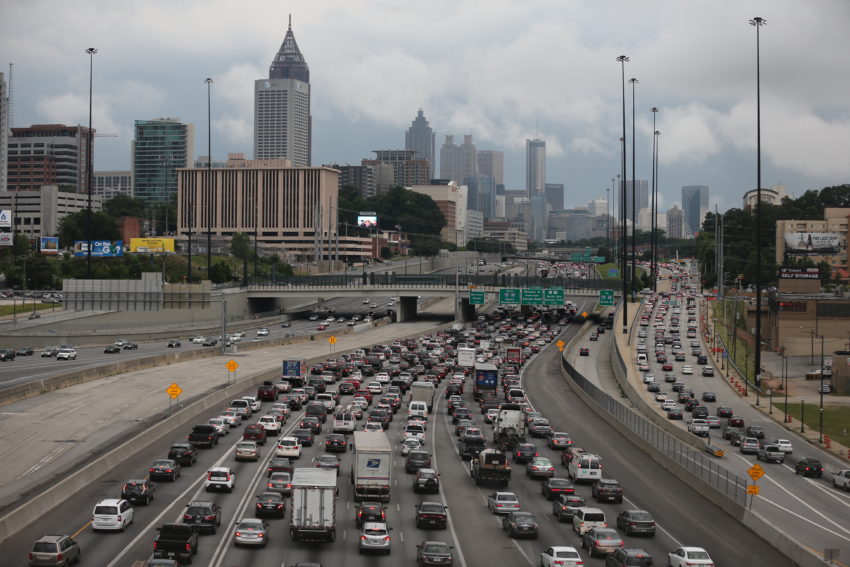
Latinos say they face bigger transportation struggles and public health issues than non-Latinos in Atlanta, and they're willing to pay higher taxes to improve public transportation, according to a new survey. The Atlanta Regional Commission's annual survey ask Atlanta residents their views on transportation, education, health, and more. Overall, residents tabbed transportation as their top concern for the fourth straight year. Transportation is a big deal because it affects day-to-day life. It also affects mental and physical health, professional success, and climate change. Yet, transportation looks very different across the country. Cities with poor transportation options are often burdened by health disparities, economic segregation, and poor air quality. For example, many ...