How can we best train tomorrow's leaders? By working with youth to lead healthy changes today! Register now for our next Salud America! Webinar on March 27 on how to mobilize youth to become community advocates! What: Mobilizing Latino Youth to Become Community Advocates
Time/Date: 12 p.m. CST, Tuesday, March 27, 2018
Host: Salud America!
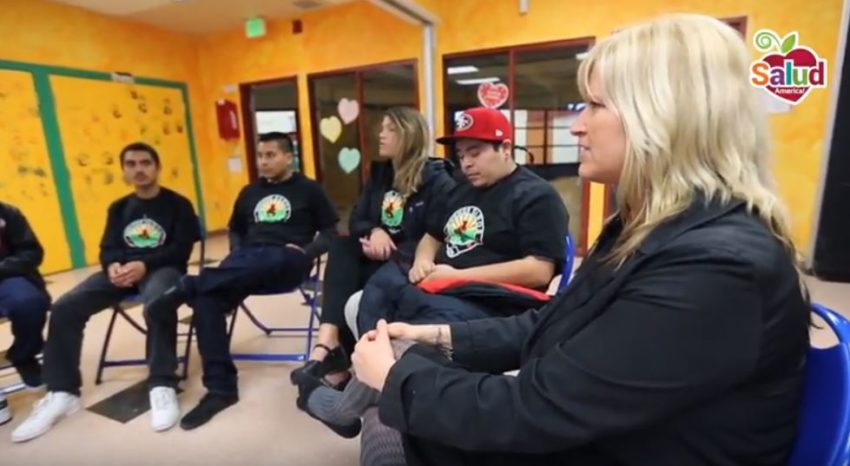
Special Guest: Kymberly Lacrosse, a Salud Hero of healthy change Lacrosse has vast experience mobilizing youth toward action. Lacrosse has served as a community organizer for the United Way of Santa Cruz County, Calif, working with the youth group Jóvenes SANOS to create several healthy changes: Healthier food options at METRO transit stations;
Convincing community leaders to adopt a healthy restaurant ...
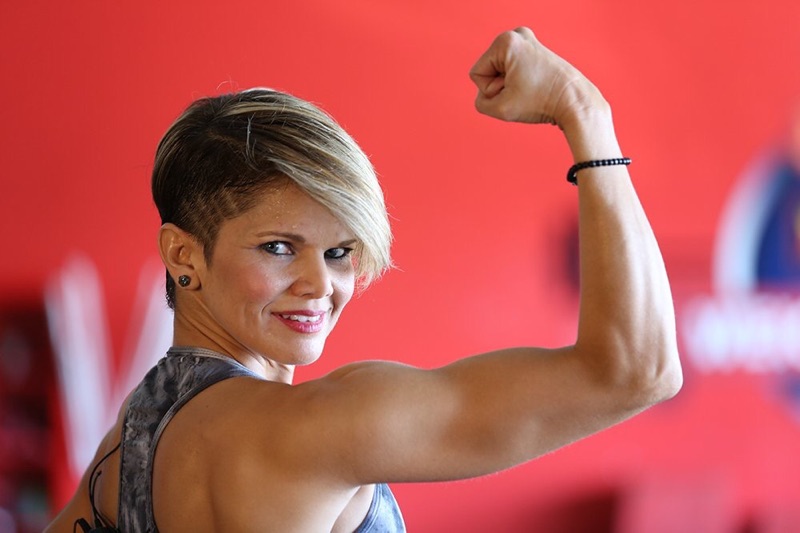
When fitness guru Maria Guerra designed her gym, she of course plotted space for all the usual stuff, like free weights, exercise machines and classes. Guerra also made room for something she’d never seen in any gym. She calls it a “transformation station” and it’s essentially a heart-health resource center. There are tools to measure blood pressure and body mass index, plus charts and brochures to help make sense of those readings. The information is in English and Spanish, and it’s free to everyone, client or not. The station also includes a “challenge wall.” This is where people who are ready to improve their fitness post before and after photos; challengers get to update their “after” image each month. “Why work out and have pretty muscles if the ...
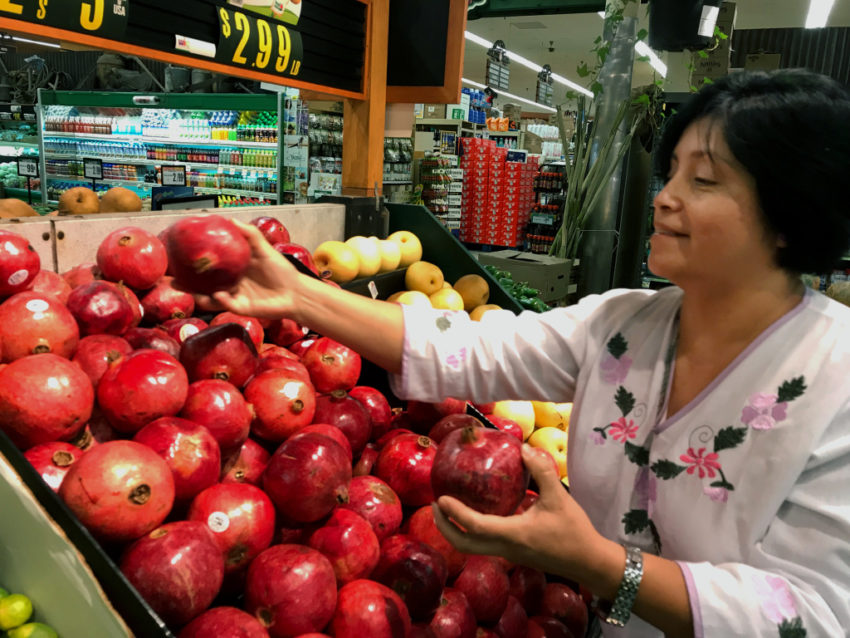
Food stamp recipients who buy fruits and veggies can get up to $40 more a month to buy extra avocados, squash, and other fresh produce, thanks to a new program to help Latino and other low-income families eat healthier, Kaiser Health News reports. This "Más Fresco" ("More Fresh") program started in 2017. It's for Supplemental Nutrition Assistance Program (SNAP) participants in Los Angeles, Orange and San Diego counties in California. Most of the program's 1,153 participants are Latino. "For every dollar worth of food stamps enrollees spend on fresh produce in a given month, they receive a one-to-one match, up to $10, $20 or $40, which they can spend only on more fruits and vegetables," according to Kaiser Health News.
Latinos Need Healthy Food Options
Latino families lack ...
The places we are born, grow, live, work, and age were not created equitably for all. Women of color tend to live in places with less access to opportunity—safe places to walk and play, healthy food, quality education, public transportation, employment opportunities, and preventive health care. This hinders educational attainment, income, and physical and mental health. Fortunately, women are increasingly standing up to the historical social, environmental, and political issues that spur poor health. To celebrate Women’s History Month, let's use #SaludTues on March 13, 2018, to tweet about awesome women who have and continue to build a culture of health for Latino and all families in the places they live. WHAT: #SaludTues Tweetchat: "Women in Health, the Environment, ...
Bus service is slow and sporadic in eastern Suffolk County, N.Y. A 15-minute drive can take two hours by bus. This makes it hard to get to a doctor for people in this 19% Latino county. Take it from Byrony Freij, a local Spanish-speaking pediatric counselor. She told Newsday that some households share one car, which is usually in use during the day. Undocumented residents avoid driving. Hours on a bus to visit a pediatrician is difficult for mothers recovering from childbirth. That's why Freij is happy to see that nonprofit Organización Latino-Americana is launching a free transportation program to help Latino and all residents get to pediatric and other doctor appointments. "It's a huge relief," Freji told Newsday. "But it’s a shame that it has to be a nonprofit that ...
Looking for an easy way to improve your school's health? Look no further! Watch the new Salud America! webinar How to Get a Water Bottle Fountain at Your School to get all the info you need to bring all-day access to clean water to your school or district. The webinar features our very own Salud Hero, Cathy Lopez, an elementary school teacher at South San ISD in San Antonio, who raised funds and worked with school and community leaders to add her school's very first water bottle fountain! The webinar also provides information on: Why all schools need water bottle fountains;
How Lopez rallied support from students, parents, and school and community leaders;
How Lopez worked with her school's maintenance staff to install a water bottle fountain in less than 6 months and ...
Dr. Janet Houser wants her Regis University in Denver to "make a difference in the world" for better health. So they've started in their own backyard. Houser, the university's provost, is uniting community groups and developers to "cultivate health" in the neighborhood around the university—creating affordable housing and surrounding it with a health clinic, health education, and access to active spaces and healthy food. In just a few years, they want to give local families a place where they can equitably live, learn, work, and play. Is such a big transformation really possible?
A Rising Latino Population Denver is one of the largest, fastest-growing cities in the country. It also has a rising Latino population, from 23% in 1990 to 31% in 2014. This changing ...
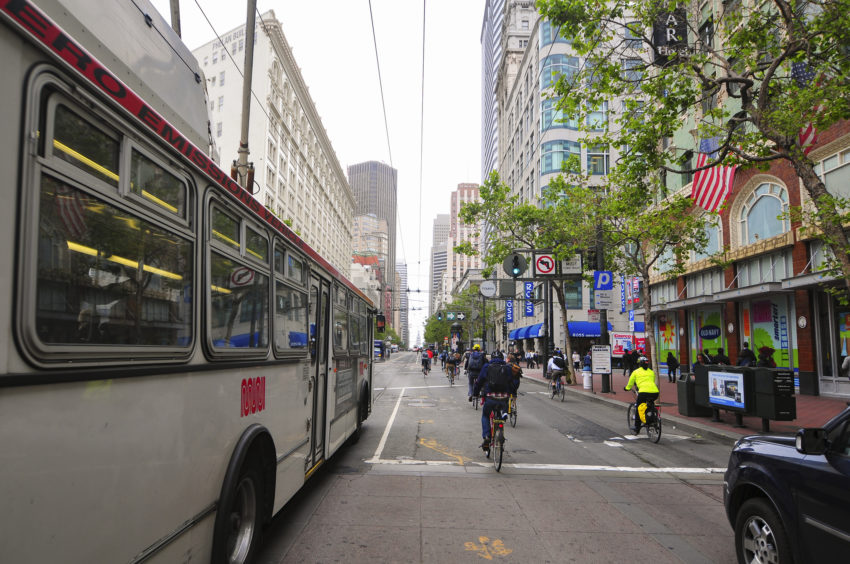
More Latinos walk and bike instead of drive cars than non-Latinos, which could be the key to address climate change and health equity, according to a recent English and Spanish survey by the Yale Program on Climate Change Communication. Transportation design, however, doesn't always make it easy to walk and bike safely. Salud America! continues its three-part series exploring the issue of climate change for Latinos, today tackling whether leaders get more people out of cars and into active transportation, boosting health and reducing greenhouse gas emissions. Part 1 of the series tackled what climate change is, why Latinos are worried, and whether they should be. Part 2 addressed what kinds of policies Latinos would support to address climate change.
The Rise of Latinos Walking ...
U.S. Latinos are more supportive of climate change policies and are more willing to demand political action than non-Latinos. In fact, half of Latinos (50%) think the United States should make large-scale effort to reduce global warming, even if it has large economic costs, compared to 33% of non-Latinos, according to a recent English and Spanish survey by the Yale Program on Climate Change Communication. Salud America! continues its three-part series exploring the issue of climate change for Latinos, today addressing what kinds of policies Latinos would support to address climate change. Part 1 tackled what climate change is, why Latinos are worried, and whether they should be. Part 3 will focus on a potential solution for both climate change and health equity.
Two Big Policy ...