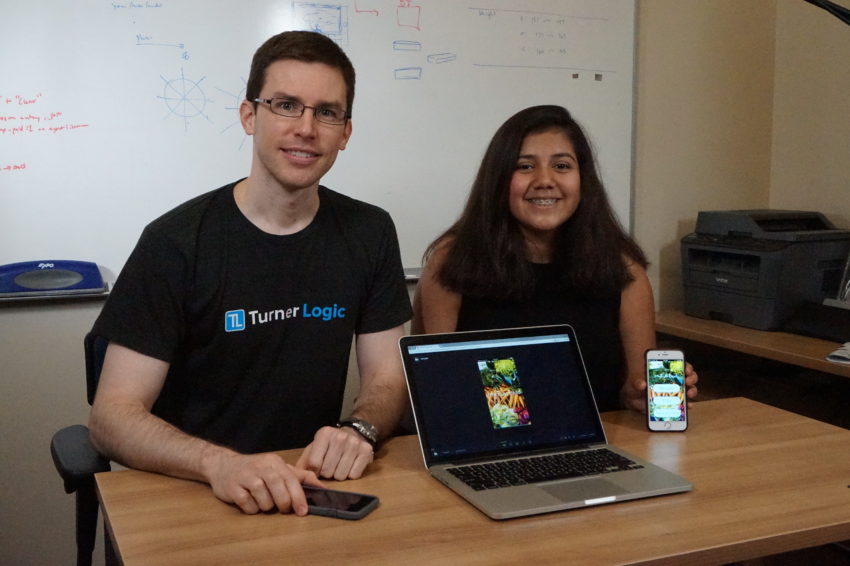
Isabella Jimenez of San Antonio isn't a normal 13-year-old. When Isabella watched in shock as her classmates ate only potato chips or candy bars for lunch day after day, she didn't just shrug it off. She gave herself a call to action. "Why not create a kid-friendly app with recipes and health tips for [students and] the whole community?" Isabella asked.
Isabella's First Step In many Latino communities, like San Antonio (68% Latino), students are more exposed to unhealthy food in and out of school, according to a Salud America! research review. Isabella saw this in her school, Lee High School in North East ISD in San Antonio. "It's mainly concerning, because [chips and candy bars are] what they're putting into their diet,” Isabella said. Isabella wanted to find a ...
The U.S. Department of Health and Human Services wants your help to shape the next edition of its Physical Activity Guidelines for Americans, which haven't been updated since 2008. The guidelines recommend how everyone can improve their health with regular physical activity. Now, a new report from the 2018 Physical Activity Guidelines Advisory Committee shows how higher levels of physical activity among children and adolescents are associated with favorable health outcomes, including heart and muscle fitness, bone health, and weight status. Speak up on to shape the guidelines now! Copy this model public comment developed by our Salud America! research team, click the “submit” button, and paste the comment on health.gov's comments website by April 2, 2018: I support ...
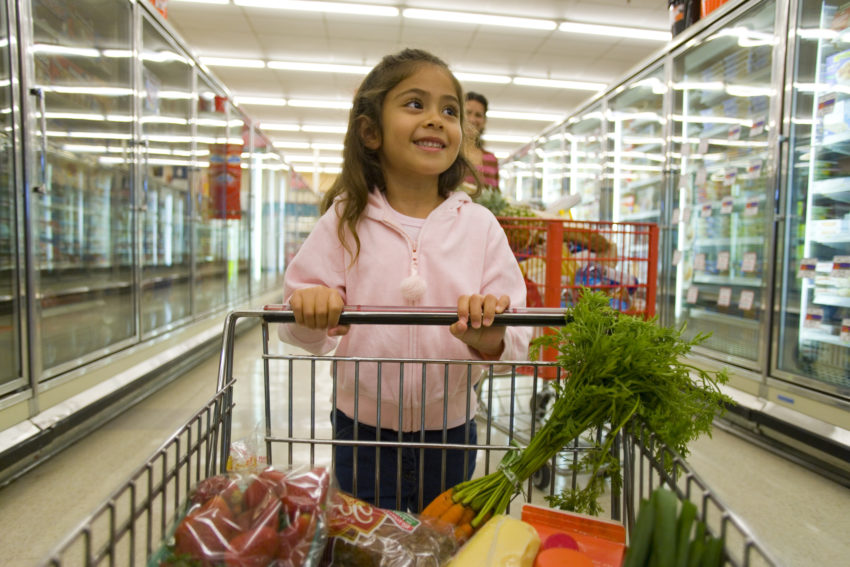
The USDA wants your opinion to shape the 2020-2025 Dietary Guidelines for Americans! The guidelines aim to help people choose an overall healthy diet. They have specific nutritional targets and dietary limits for children (ages 2-18), adults (19-64), and older adults (65 and older). Now, for the first time, the guidelines will cover pregnant women and babies (birth to age 2). What do you think the guidelines should recommend? How does it impact Latinos? Speak up! Copy a model public comment developed by our Salud America! research team, click the "submit" button, and paste the comment in the USDA's comments submission website by March 30, 2018. Model Comment: General
I urge the USDA and HHS to create the strongest possible Dietary Guidelines to ensure that all kids, parents, ...
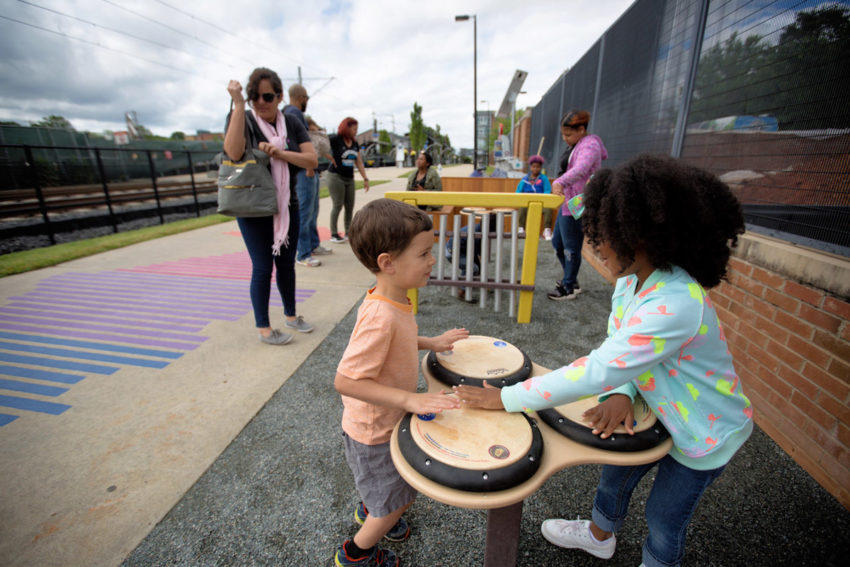
Playing can help a kid's healthy brain development. But many communities are not kid-play-friendly. Latino neighborhoods tend to lack safe places that welcome kids and multi-generational families to play. That's why KaBOOM! created the Play Everywhere Playbook. The Playbook helps cities design healthy play spaces with kids in mind. The Playbook is has four sections built on input from city and community leaders, health experts, urban planners and affected families: Fundamentals: defining what makes a space a PLAYce—wondrous, convenient, inviting, shared, unifying, challenging and intentional
Design guides: streets and sidewalks; parks trails, and public spaces; transit; multi-family housing; commercial spaces; civic spaces; and moveable and pop-up play
Case ...
Latino and other minority youth have higher rates of poverty and greater gaps in education and health opportunity than their white peers, according to a new report. The 2018 County Health Rankings found that: Poverty rates among children and youth are at least 1.5 times higher than rates among adults aged 18 and older, and the rates are even higher for Latino, Black, and American Indian/Alaskan Native children and youth. Child poverty rates for Latino and Black children are worse across all types of counties, and are even higher in suburban counties than for White children in rural counties.
More than 1 out of every 5 youth in the bottom performing counties do not graduate from high school in four years. It's worse among racial/ethnic groups. 1 out of 4 Latino youth do not ...
Nearly 9 of 10 teachers wake up, get in cars, and drive solo to Arlington Public Schools every day in Arlington County, Va. (15.4% Latino). This clogs the streets and pollutes the air outside schools. So, with the student and staff populations set to rise in coming years, how could Arlington get its staff and parents to drive less, and instead use healthier transportation options like ride-sharing, walking, biking, and mass transit? They tried "transportation demand management," or TDM. TDM is the opposite of building bigger roads and parking lots. It focuses on helping people use alternatives to driving. "At its most basic level, TDM is a program of information, encouragement and incentives provided by local or regional organizations to help people know about and use all ...
How can we best train tomorrow's leaders? By working with youth to lead healthy changes today! Register now for our next Salud America! Webinar on March 27 on how to mobilize youth to become community advocates! What: Mobilizing Latino Youth to Become Community Advocates
Time/Date: 12 p.m. CST, Tuesday, March 27, 2018
Host: Salud America!
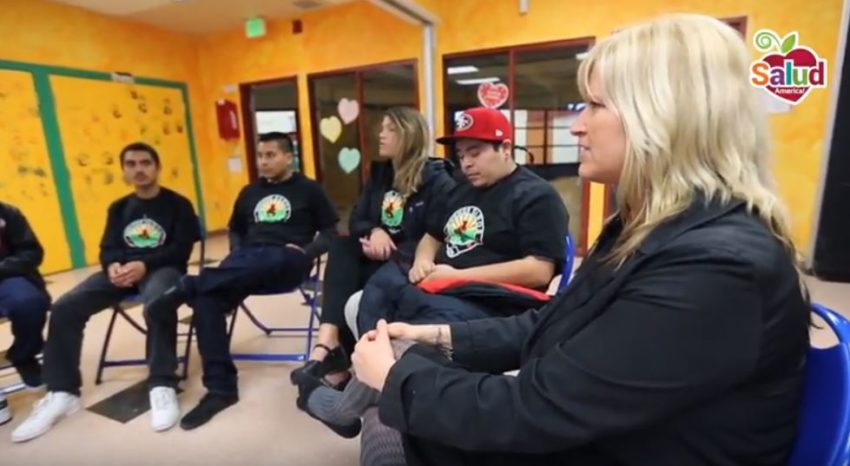
Special Guest: Kymberly Lacrosse, a Salud Hero of healthy change Lacrosse has vast experience mobilizing youth toward action. Lacrosse has served as a community organizer for the United Way of Santa Cruz County, Calif, working with the youth group Jóvenes SANOS to create several healthy changes: Healthier food options at METRO transit stations;
Convincing community leaders to adopt a healthy restaurant ...
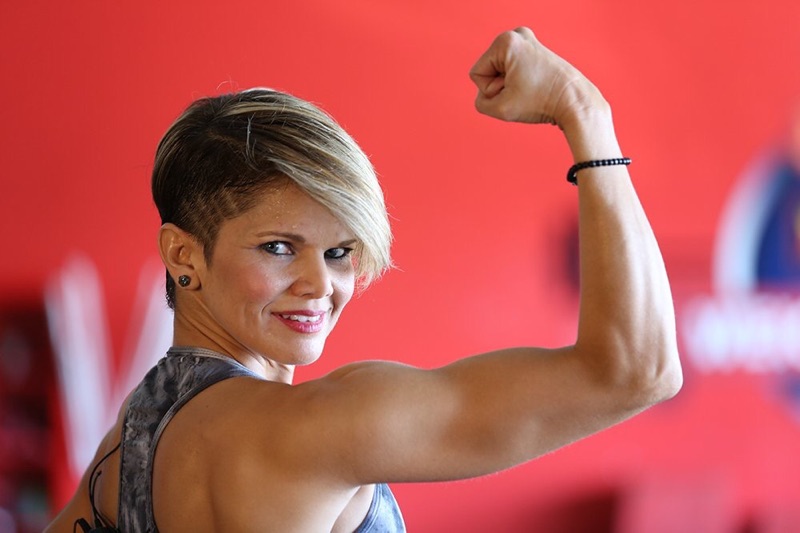
When fitness guru Maria Guerra designed her gym, she of course plotted space for all the usual stuff, like free weights, exercise machines and classes. Guerra also made room for something she’d never seen in any gym. She calls it a “transformation station” and it’s essentially a heart-health resource center. There are tools to measure blood pressure and body mass index, plus charts and brochures to help make sense of those readings. The information is in English and Spanish, and it’s free to everyone, client or not. The station also includes a “challenge wall.” This is where people who are ready to improve their fitness post before and after photos; challengers get to update their “after” image each month. “Why work out and have pretty muscles if the ...
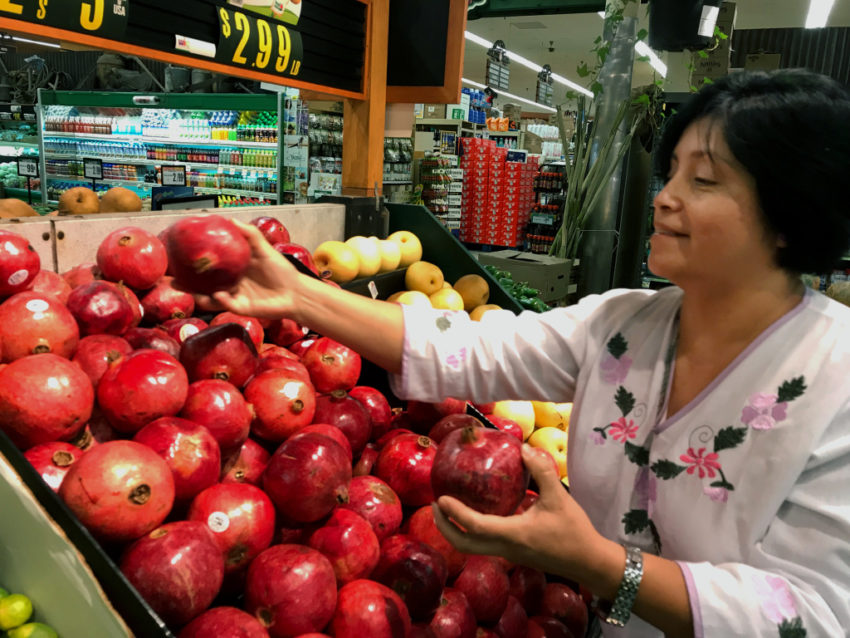
Food stamp recipients who buy fruits and veggies can get up to $40 more a month to buy extra avocados, squash, and other fresh produce, thanks to a new program to help Latino and other low-income families eat healthier, Kaiser Health News reports. This "Más Fresco" ("More Fresh") program started in 2017. It's for Supplemental Nutrition Assistance Program (SNAP) participants in Los Angeles, Orange and San Diego counties in California. Most of the program's 1,153 participants are Latino. "For every dollar worth of food stamps enrollees spend on fresh produce in a given month, they receive a one-to-one match, up to $10, $20 or $40, which they can spend only on more fruits and vegetables," according to Kaiser Health News.
Latinos Need Healthy Food Options
Latino families lack ...