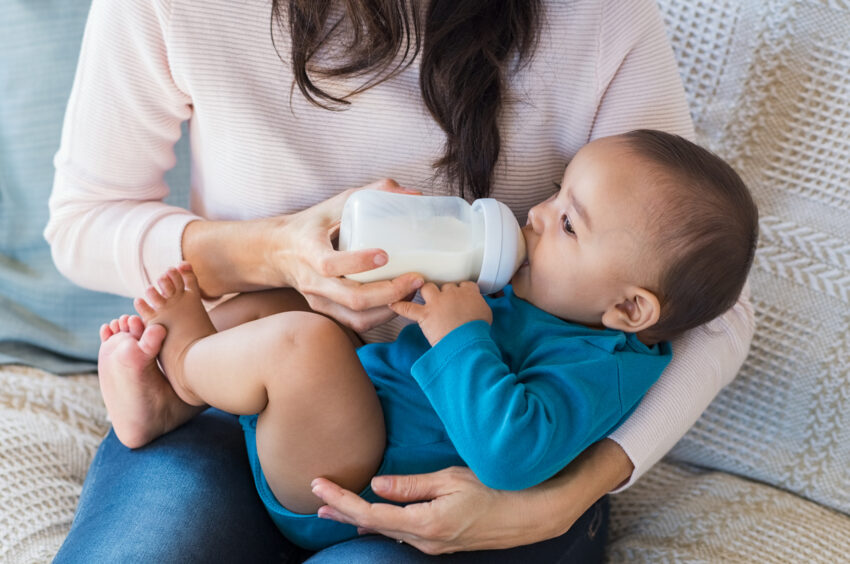
From breastfeeding to solid foods and vegetables, the U.S. Centers for Disease Control and Prevention (CDC) address childhood food issues in a new report, Early Childhood Nutrition. The report covers: Breastfeeding
Support for Infant Feeding
First Solid Foods
Healthy Eating
Affordability of Nutritious Foods Let’s dive deeper into the report and how it impacts families with children.
1. Most Infants Don’t Receive Full Health Benefits from Breast Milk
The CDC report found that only 2 in 5 infants born in 2022 were still being breastfed on their first birthday, meaning that most infants do not receive the full health benefits that breast milk can provide. “Breastfeeding is the best source of nutrition for most infants. It helps protect babies and moms from ...
About three quarters of Latino children received medical care in the past year, according to a new report from the National Research Center on Hispanic Children and Families. However, the remaining 1 of 4 Latino children had not seen a doctor, nurse, or urgent/emergency care personnel in at least one year. Let’s dig deeper into this report and how it impacts families.
What Does the Report Say about Latino Children’s Medical Care?
The National Research Center on Hispanic Children and Families report found that receipt of medical care in the past year varied by child age. Younger Latino children (birth to age 5) more likely to have received medical care (85%) than older children (ages 6-12, 75%) and teens (ages 13-18, 65%). Children living in families with low incomes were ...
Breastfeeding has many health benefits for both mothers and babies. For mothers, breastfeeding can help speed up the recovery process after birth, reduce long-term health risks, including breast and ovarian cancers, and help with postpartum weight loss due to the extra calories being burned. For infants, breastfeeding contains optimal nutrition for immune protection from illnesses helps with brain development, and reduces risks of chronic health conditions like obesity. Unfortunately, without access to Spanish-language lactation resources, too many Latinas give up breastfeeding too soon. That’s where the Mama Sana Program comes into play. The program offers mothers Spanish-language support to help them navigate the difficult journey that is ...
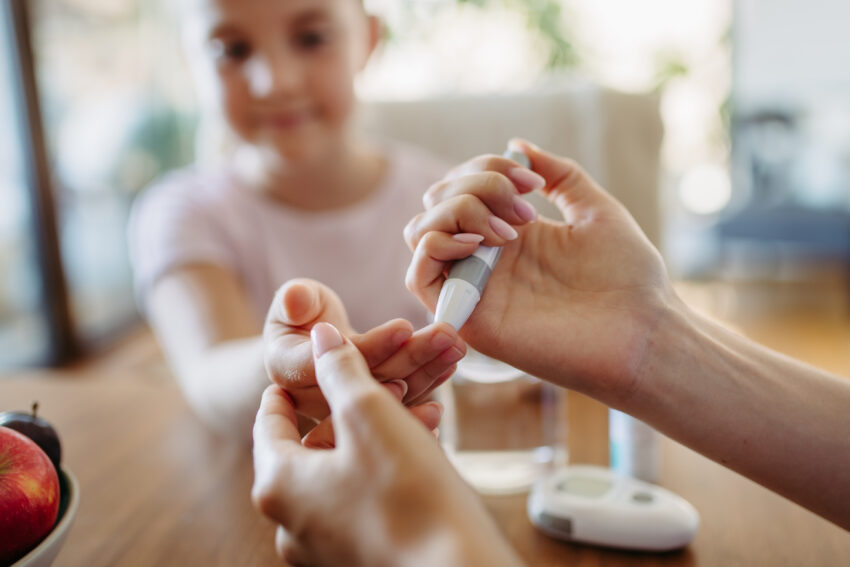
Type 2 diabetes has increased at an alarming rate in children, increasing to between 24% and 45% (compared to 1-2% before the mid-1990s), with the average age of diagnosis being around 13 years old, according to research. This can deeply effect young Latinos, as more than 22% of Latino youth and 28.7% of Latino young adults have prediabetes. Many factors contribute to this rise, including childhood obesity, genetics, and diet. Now, researchers from Florida Atlantic University have found that where a child lives can also factor into their risk for type 2 diabetes. Let’s explore this research and see how it impacts children and their communities.
Behind the Research on Diabetes in Children
Researchers for Florida Atlantic University’s ’s Charles E. Schmidt College of ...
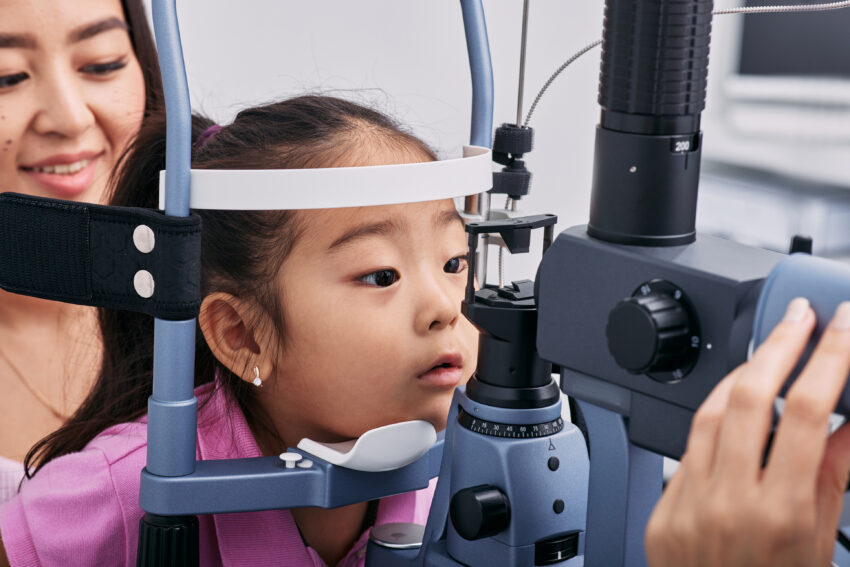
Your eye health is important. In fact, when left unchecked, poor eye health can lead to serious complications for your overall health and quality of life. This is especially true for children. One of the biggest threats to eye health is myopia, or nearsightedness, which is a very common eye condition, affecting many children. Here are five facts about Myopia you should be aware of and how to tackle them to make sure your child kicks the school year off on the right foot. You can also donate to help families afford eye exams for their children!
1. Myopia Affects Many Children
Myopia, or nearsightedness, affects 40% of people in the US, according to Cleveland Clinic. However, the condition is rising in school-aged children. Experts anticipate that this will ...
From what you put into your body to what you do with it, just about anything can impact your health when you’re pregnant. It can also impact the health of the unborn child. That’s why it’s important to take the steps necessary to ensure the health and safety of both the expectant mother and baby. The best way to start is to ensure you get the recommended amount of physical activity each week. The truth is that Moving Matters! Let’s review the physical activity guidelines for pregnant and postpartum women and learn about the benefits of movement before and after pregnancy.
Physical Activity Recommendations
Like anyone at any stage of life, physical activity is vital to maintaining good health leading to a better quality of life. For pregnant ...
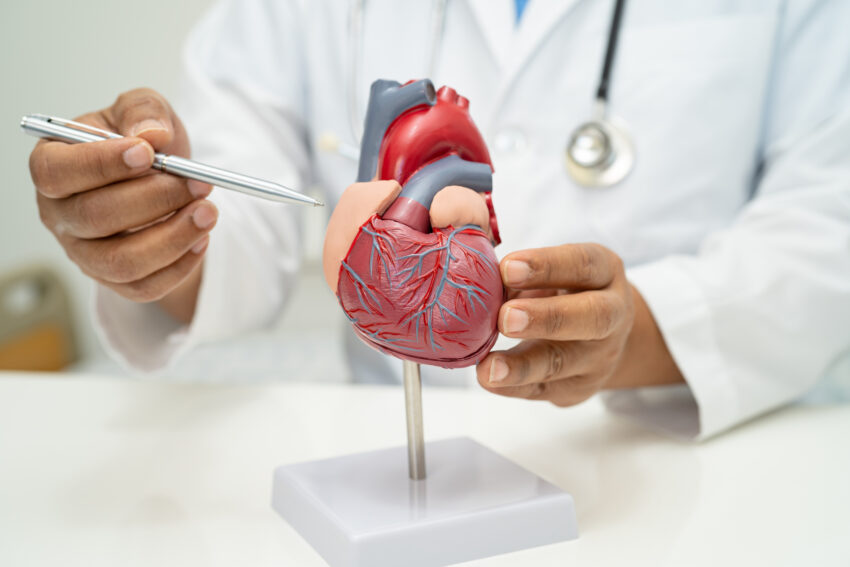
Scientists and collaborators at the Icahn School of Medicine at Mount Sinai recently identified novel genetic interactions that may contribute to congenital heart disease. Congenital heart disease (CHD) is a problem with the heart’s structure at birth. Let’s go beyond the surface and learn more about what the research means and how it can help others!
The Health Impact of Congenital Heart Disease (CHD)
When a disease or condition is congenital, it means someone is born with this condition. Congenital heart diseases or defects occur when “when the heart, or blood vessels near the heart, don’t develop normally before birth. Such defects result when a mishap occurs during heart development soon after conception — often before the mother is aware that she is pregnant,” ...
Despite advances in modern medicine, the US continues to have one of the worst infant and maternal mortality rates in the developed world. In 2021, there were 32.9 maternal deaths for every 100,000 live births in the US, according to the Centers for Disease Control and Prevention (CDC). Fast forward to 2022 and the maternal mortality rate is down to 22.3 deaths for every 100,000 live births, according to a new March of Dimes report. The new rate marks a significant departure from the time of the pandemic when maternal mortality rates were at an all-time high. However, not everything is back to pre-pandemic levels. Here are the five key takeaways from the 2024 March of Dimes Report Card and what they mean for the health of mothers across the country.
1. ...
Every year an unprecedented number of pregnant women in the US suffer mental hardships. The American Academy of Medicine (AAMC) estimates that 1 in 5 women endure a mental health or substance use disorder during a pregnancy and up to a year after birth. In fact, mental health conditions are one of the leading causes of pregnancy-related deaths, according to the Centers for Disease Control and Prevention (CDC). What’s more, 80% of these deaths are preventable. That’s why the U.S. Department of Health and Human Services (HHS) created the National Maternal Mental Health Hotline. Let’s dive into the hotline, how it helps Latinas and all mothers, and what HHS is doing to get the word out about it.
What is the National Maternal Mental Health ...