Nearly one of every two people are Latino in Harris County, Texas, which is home to Houston, the nation’s fourth-largest city. As the Latino community rises, equitable health, education, and opportunity is critical. That is why two Houston organizations, Children at Risk and Child Health Policy at the Baker Institute, published the 2024 Latino Child Health Initiative Report to examine the state of Latino child health in Precinct 2, one of four precincts in Harris County. The report identified high rates of type 2 diabetes and obesity among Latino children in Houston, as well as challenges to mental health services and kindergarten readiness. Let’s dive into the report and how it reflects the overall US Latino population.
Latino Children and Risk for Diabetes, Obesity
In ...
When COVID-19 hit, it hurt many Latinos who worked in industries and jobs with few benefits and no flexibilities to respond to childcare disruptions. Unfortunately, after the pandemic, that situation remains. The industry and occupational distribution of Latino parents with low incomes remains largely unchanged from pre- to post-pandemic for mothers and fathers, according to a recent study from the National Research Center on Hispanic Children and Families. “We provide the first national portrait of the industries and occupations that employ Latino parents with low incomes in the aftermath of the pandemic, and highlight employment shifts that occurred during the pandemic,” according to the study. Let’s dive into the study finding and how it impacts Latino ...
Child care is crucial for Latino and all families, but some face issues with access and cost. While many Latino households with low incomes used no-cost child care, those who paid out-of-pocket tended to face very high costs, according to a new research brief from the National Research Center on Hispanic Children and Families (Hispanic Research Center). “Our findings suggest a need for sustained and varied investments to support affordable child care access for Hispanic families with low incomes,” according to the Hispanic Research Center. Let’s dig deeper into how this impacts Latino families.
Child care Costs for Latinos
The Hispanic Research Center examined data from the 2019 National Survey of Early Care and Education to explore the average weekly hours ...
Despite the heaviest spending on healthcare, the United States has the highest maternal mortality rate among developed nations. Sadly, this historic trend has worsened over time and impacts many women in overlooked populations. The reasons for America’s maternal health crisis is multi-faceted, but a new Centers for Disease Control and Prevention (CDC) Vital Signs survey highlights one potential reason for this worsening health trend – mistreatment of women by healthcare workers during pregnancy and delivery care. Let’s explore the survey results and how mistreatment during maternity care affects Latinas and all women.
Mistreatment During Maternity Care
The survey, which included data from 2,402 women, found that 1 in 5 women (20%) experienced mistreatment by healthcare ...
Implications of the lack of quality maternal healthcare in the United States are well documented. Pre-term birth rates are rising, maternal mental health is suffering, and maternal mortality remains high, especially in women from certain backgrounds. Women living in rural areas are hit even harder by these implications, as indicated by a new March of Dimes report on maternity care deserts. Let’s explore just how much living in a rural area matters when it comes to maternal health, and how we can work to improve maternity care in underserved rural areas.
Maternity Care Deserts in Rural Texas Counties
Maternity care deserts make up 36% of all US counties, according a 2022 March of Dimes report. These maternity care deserts contribute to the US having the highest maternal ...
Summer heat waves are increasingly more severe due to climate change, making it important to ensure children’s safety amid rising temperatures. While essentials like sunscreen, hats, and shade are important, one of the most crucial steps is keeping children hydrated. Let’s dive into hydration and other ways to help families stay safe this summer!
1. Drink Water
The Institute of Medicine recommends that children ages 4 to 8 drink about 2 quarts of water a day, with the amount going up as they get older. Teenage boys should drink 3.5 quarts of water a day, and teenage girls 2.4 quarts a day. How much more water should children drink amid the summer heat? “There is no exact calculation for figuring out how much water is enough as kids run around faster ...
June 16, 2023 was a big win for low-income Texas families. Gov. Greg Abbot signed House Bill 12, which extends Medicaid health coverage for Texas mothers from just 60 days after giving birth to a full year. This new bill, which is expected to take effect by the end of 2023, has massive potential to improve newborn and maternal health outcomes for Latinas and all mothers statewide. Here are several big-as-Texas reasons to celebrate the signing of House Bill 12!
Improved Access to Prenatal and Postpartum Care
Half of women having babies in Texas get their healthcare coverage through Medicaid, according to data gathered by March of Dimes. Many of these women are low-income Latinas who may not be able to afford another healthcare coverage option. Going without health ...
Latino families with children are still experiencing COVID-19 pandemic-related disruptions to their childcare arrangements, according to a new data analysis from the National Research Center on Hispanic Children and Families (NRCHCF). Childcare disruptions are defined as the inability of any children in a household to attend a care arrangement because of closure, lack of availability or affordability, or safety concerns. From summer 2021 to summer 2022, these childcare disruptions remained prevalent among Latino households with children younger than 12, particularly those with children younger than 5, according to the NRCHCF analysis. Let’s explore these disruptions brought on by the COVID-19 pandemic and how it continues to impact Latino families today.
The State ...
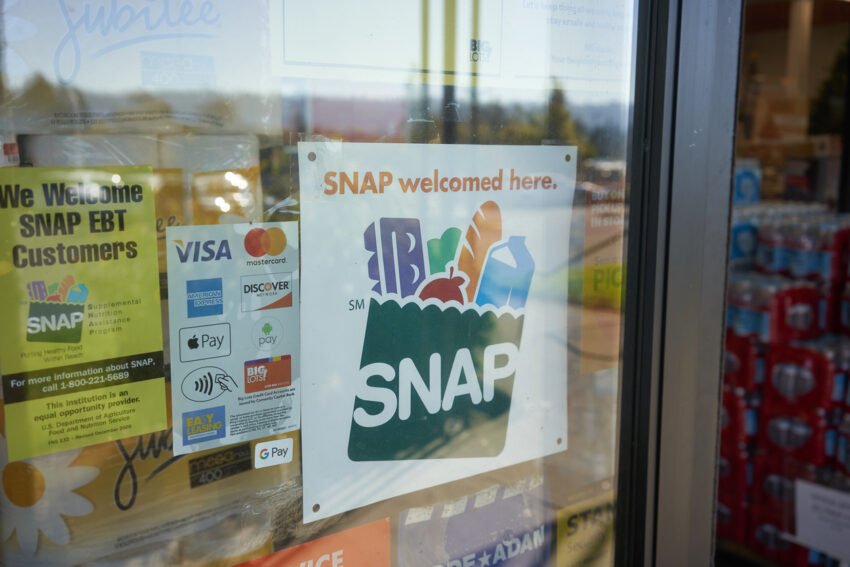
The federal Supplemental Nutrition Assistance Program (SNAP) program provides temporary support to help people and families afford food. But SNAP benefits are often under fire. After Trump-era efforts to curb SNAP benefits and the recent expiration of COVID-era SNAP increases, some lawmakers are pushing to add more work requirements to qualify for eligibility. Under the House’s proposed expansion of work requirements to parents and caregivers, as many as four million children could go hungry. “Millions of low-income households, [people from overlooked communities], and their families rely on basic supports to access health care, feed themselves, afford childcare, and survive financial and health insecurity,” according to a UnidosUs blog. “Cuts to these ...