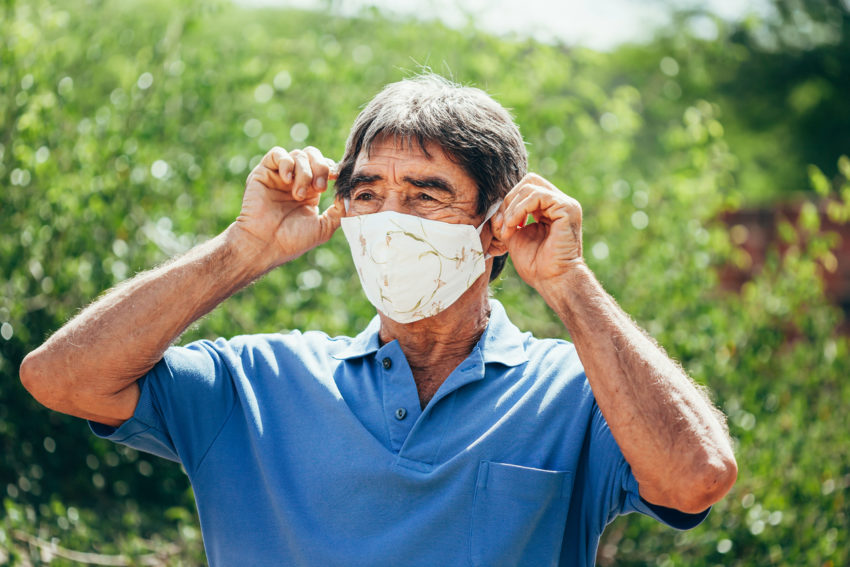
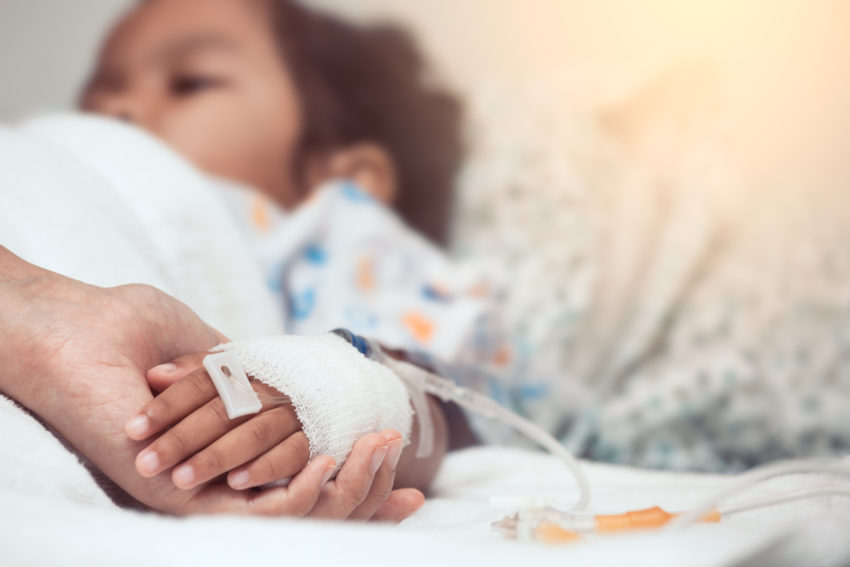
Cancer patients who get COVID-19 have a 13% risk of dying, much higher than the 6% death rate of coronavirus in the general population, according to a study published in The Lancet. But the reasons for bigger risk aren't what researchers expected. Pregnant women or people with autoimmune diseases or blood cancers are, surprisingly, not more susceptible to severe coronavirus, USA Today reports. Instead, people with cancer and the general population have the same basic reasons for severe coronavirus outcomes. These include older age, smoking, and underlying health problems like diabetes and obesity, according to the new study. This suggests cancer still poses a greater danger than the virus. "Many cancer treatments do not weaken the immune system to a level that it could not ...
Without childcare, going back to work after the coronavirus lockdown is not an option for many families. But many city and state leaders are overlooking this childcare dilemma as they push to reopen businesses, even while schools remain closed amid the pandemic. That’s why Melinda Lopez is speaking up. Rhode Island, where Lopez lives, began reopening businesses on May 9. But childcare sites have to remain closed through May 30. Beyond this three-week-lag, when childcare centers do reopen, they will take fewer kids. Many moms will still be left without a spot for their child. “I’m concerned about what our women in our communities are going to do,” said Lopez, an Education Strategies Specialist with Highlander Institute, Early Childhood Adjunct Instructor at Rhode ...
Without paid sick leave, too many Latinos are forced to choose between financial security and health. After all, just a few days of lost pay due to illness is the same as losing an entire month’s worth of groceries for some families, which fare worse during a pandemic like COVID-19. “For a typical Latino family without paid sick days, losing an average of 3.3 days due to sickness is equivalent to a family’s entire monthly health care budget or its monthly grocery budget,” according to a joint fact sheet from UnidosUS and National Partnership for Women & Families. This situation won’t just fix itself after the pandemic, either. “Lives are at stake when policies are not put in place from the top down to prevent the spread of disease or create healthy living ...
Half of workers with the lowest wages and more than half of Latinos are unable to earn a single paid sick day through their jobs. Without paid sick leave, these workers are forced to choose between the financial consequences of staying home without pay and the health risks of both ignoring health problems and exposing others to contagious disease. Afterall, just a few days of lost pay due to illness is the same as losing an entire month’s grocery budget for some families. Workers everywhere should be able to earn paid sick leave, particularly as our country focuses on economic recovery after COVID-19. Join #SaludTues on May 19, 2020, at 1:00 PM EST to tweet about why it is so important to for all workers to be able to earn paid sick leave. WHAT: #SaludTuesTweetchat: ...
During this global coronavirus pandemic that has shut down businesses and schools and ushered in social distancing, experts worry more children are suffering from abuse. Researchers say this happens in times of stress. Child abuse rose in the Great Recession. “I believe we’re going to see the number of child abuse cases increase rapidly but child abuse reports are going to decrease exponentially,” Megan Hedges, family advocate for the Child Advocacy Center of Fredrick County, told the Frederick News-Post. “This is going to be detrimental to many of the children in our community because we know the abuse is not stopping, in fact the abuse may be getting worse.”
1. Why Could Child Abuse Rise?
Financial distress, unemployment, domestic violence, and social isolation are big ...
Many U.S. homes are not the safe havens we may think. In fact, with families locked down to slow COVID-19, police say domestic violence cases have risen up to 35% in recent days, NBC reports. Local and state leaders need to address the immediate needs of these victims. They also need to think about long-term solutions to reduce disparities in income and wealth accumulation, which COVID-19 is exacerbating, particularly among Latinas. “Women — and it is predominantly women who are victimized — are confined to isolated homes with abusive partners whose coercive and physically violent tendencies are enabled and further inflamed by economic stressors [due to coronavirus],” according to Natasha Lennard with The Intercept. If you or someone you know needs help, call the ...
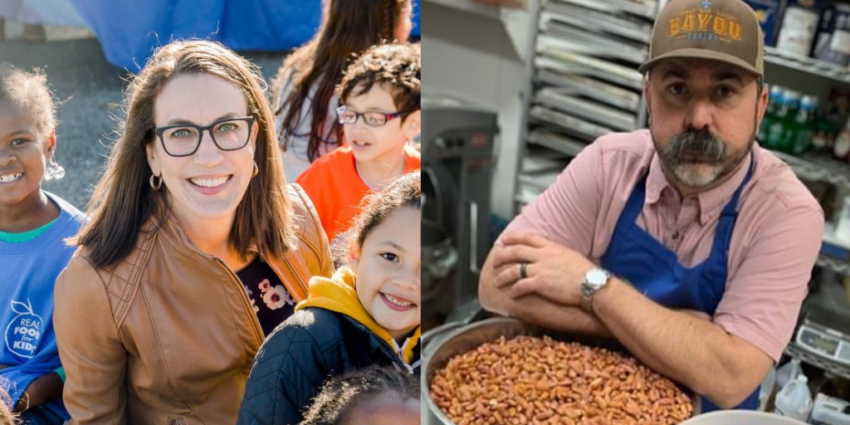
Jenn Yates is an advocate who usually pushes for healthier school food in Arlington, Virginia (15.8% Latino). David Guas is a chef who usually is feeding people. These days, amid the COVID-19 pandemic, Yates and Guas are a dynamic duo that provides free meals to vulnerable families to prevent hunger while schools and restaurants are closed. And, thanks to the advocate and the chef, red beans and rice are feeding thousands. May 5 UPDATE: The Chefs Feeding Families initiative has provided 18,000 meals to families across the DC metro area.
Yates, the Advocate, Understands the Importance of Food Assistance Programs
Yates grew up in a low-income, working family. She said she is grateful for food assistance programs like free meals at schools. “I got school meals as a kid,” ...
Obesity Care Week 2020 (#OCW2020) is here! From March 1-7, 2020, Salud America!, our Latino health equity program at UT Health San Antonio, is happy to be an OCW2020 Champion to support this awareness week. Obesity Care Week has a global vision for a society that understands, respects, and accepts the complexities of obesity and values science and clinically-based care. Salud America! research shows that U.S. Latinos face inequities in many areas—from poverty and social support to access to affordable housing and transportation—that contribute to higher rates of obesity. Latino adults and children have higher obesity rates (47% and 25.8%, respectively) than whites (37.9% adults and 14% children). Addressing the root causes can help address obesity. #OCW2020 has different ...
Folic acid has long been linked to a healthy pregnancy. In fact, pregnant women who consume a folic acid vitamin and folate-rich food have lower risk of their babies experiencing major neural tube birth defects of the brain (anencephaly) and spine (spina bifida). More than 300,000 neural tube birth defects happen every year in the U.S. Latinas face a higher risk. They also have lower knowledge about the benefits of folic acid, along with lower folic acid consumption compared to women from other racial/ethnic groups. To celebrate National Folic Acid Awareness Week (January 7-13), let’s tweet with #SaludTues on Jan. 7, 2020, to spread the importance of folic acid among Latinas and all mothers-to-be. WHAT: #SaludTues Tweetchat: Why Folic Acid is Important for Latina and ...