This is part of the Salud America! The State of Latino Early Childhood Development: A Research Review »
The Importance of Latina Mothers
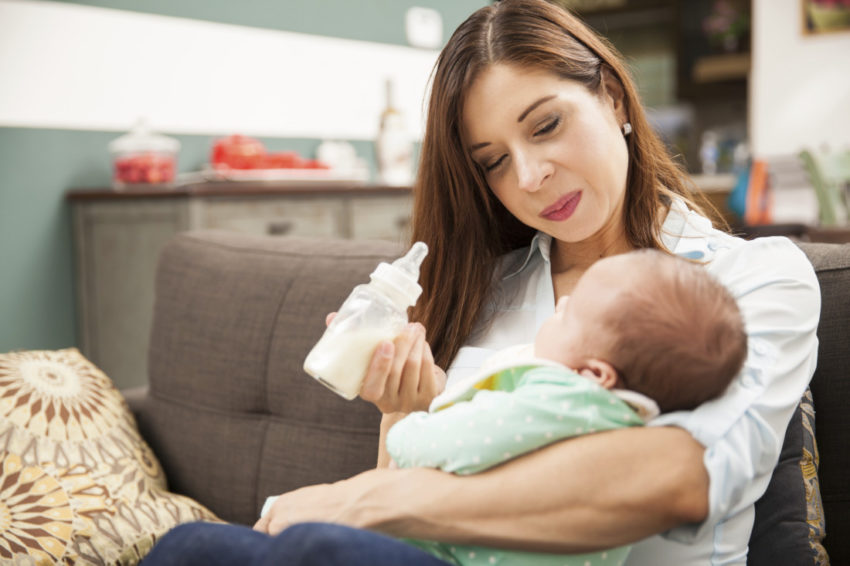
Although Latino children are generally well adjusted socially and emotionally, several factors may negatively influence their overall health and wellbeing development. These include poverty and/or large households, immigration status, the country of origin, maternal depression,1,146,147 as well as other factors like breastfeeding initiation and duration.148 Read the Salud America! research review about breastfeeding among Latina mothers.148,149 Approaches are emerging on how to address these issues. For example, mental health interventions can be made available to Latina mothers who are displaying negative thought patterns, including anxiety, ...
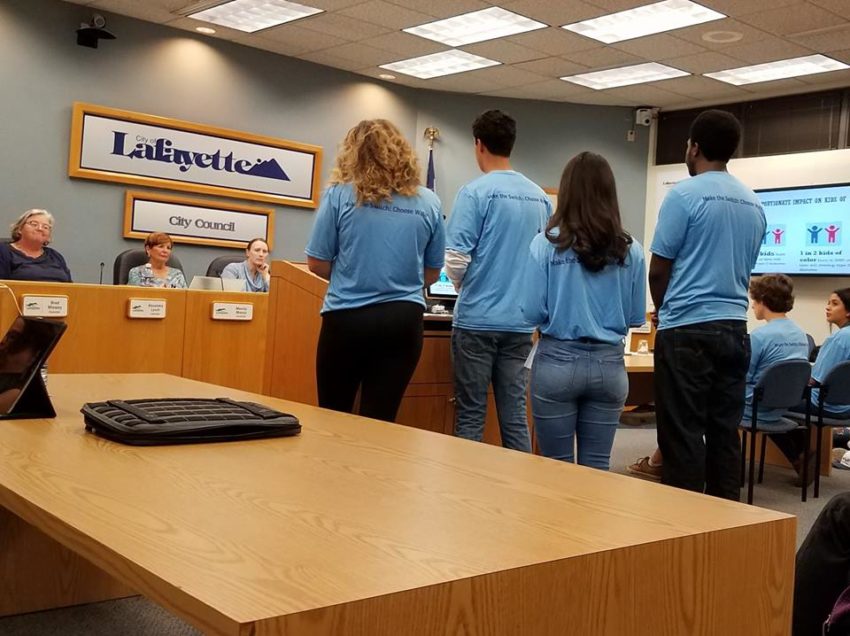
Kids were fed up with the effect of sugary drinks on people's health in the small mountain town of Lafayette, Colorado (16% Latino). They pushed city leaders for change, and scored a big victory in October 2017 when the Lafayette City Council voted 5-1 for an ordinance to require all local restaurants to offer only milk and water with kids’ meals. This means that kids will no longer see enticing pictures of sodas or juices as an option on kid's menus. The city is the fifth U.S. city, and the first outside of California, with such an ordinance. However, this isn't an outright ban on sugary drinks. Parents can ask for a sugary drink with their child’s meal, and restaurants can meet that request.
Youth Speak Up for Healthier Generations
The ordinance is a huge success ...
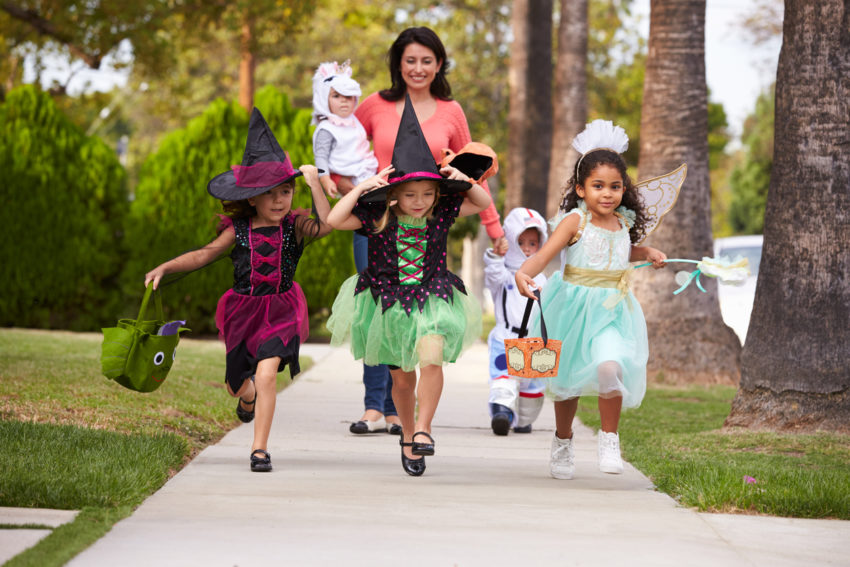
Did you know that 40% of Latino children are overweight or obese, compared to 32% of all U.S. children? With the Fall holidays bringing kids out of school and closer to candy and sweets, this is a critical time to make sure they have safe and healthy spaces to play, trick or treat, and achieve a healthy weight! Let’s use #SaludTues on Oct. 31, 2017, to share how what we can do for Latino and all families to improve health and stay safe during the Fall holiday season! WHAT: #SaludTuesTweetchat: Fall into Healthy & Safe Holidays
TIME/DATE: 1-2 p.m. EST Tuesday, Oct. 31, 2017
WHERE: On Twitter with hashtag #SaludTues
HOST: @SaludAmerica
CO-HOSTS: SafeRoutes (@SafeRoutesNow) and others We’ll open the floor to your stories, tips and experiences, as we ...
Almost 23% of the 3.99 million babies born in 2015 were Hispanic. Early diagnosis of certain conditions can make the difference between healthy development and lifelong physical or mental disability for these babies.
Newborn Screening
In 1963, Newborn Screening begins with a heel stick. Screenings identify babies who may have a variety of genetic, metabolic, hormonal and functional conditions so that precise follow-up testing can be performed. Since 1963, babies with serious but treatable conditions caught by Newborn Screening grow up healthy with expected development. All it takes is a few drops of blood and a simple hearing test. However, Newborn Screening is an evolving system that varies across the country, thus many parents don’t know of the conditions included in ...
Kori Eberle calls early and steady prenatal care the “best gift a baby can receive” for healthy early childhood development. That’s why Eberle coordinates home visits, screenings, and parenting and health education for vulnerable women from pregnancy to their baby’s second birthday as part of the San Antonio Metropolitan Health District (Metro Health) Healthy Start program in San Antonio (63.2% Latino population). Eberle and Metro Health’s Healthy Start program want most of all to reduce disparities in the local infant death rate, which is higher for low-income, Latino, and African American families. Sadly, Eberle found that not enough moms-to-be know about their resources or get the help they need to ensure a healthy delivery and proper early brain ...
Sustainable development is essentially about ecology, economy, and equity. We cannot achieve sustainable development without multi-level partnerships at all levels. World Breastfeeding Week 2017 is about sustaining breastfeeding together across four thematic areas: Nutrition, Food Security and Poverty Reduction
Survival, Health and Wellbeing
Environment and Climate Change
Women's Productivity and Employment Breastfeeding is one conversation in getting us to think about how to value our health and wellbeing from the start of life, how to respect each other, and how to care for the world we share. Learn more about how breastfeeding is a component of sustainable development. Together, we can attract political support, media attention, and participation of young ...
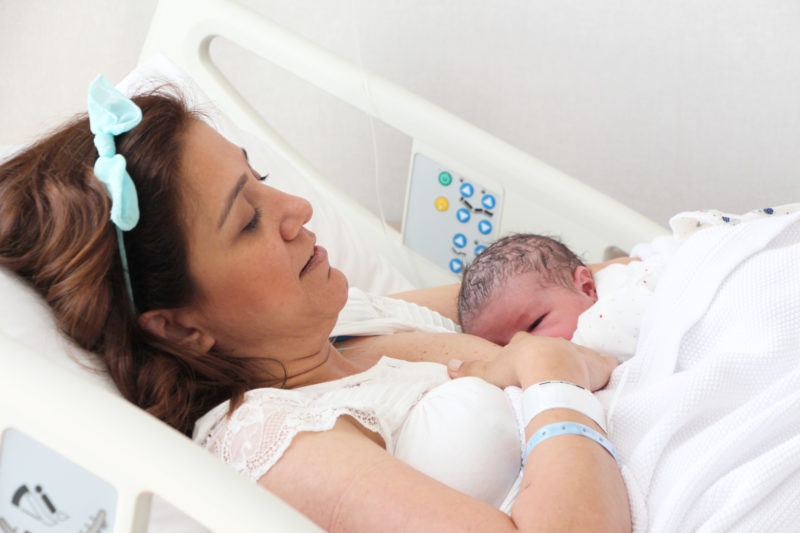
Paid maternity leave is linked to numerous positive health outcomes for parents and baby, breastfeeding is one. Sadly, in the U.S., only 12% of private sector workers have access to paid family leave through their employers.
The Thing About Paid Family Leave Policies
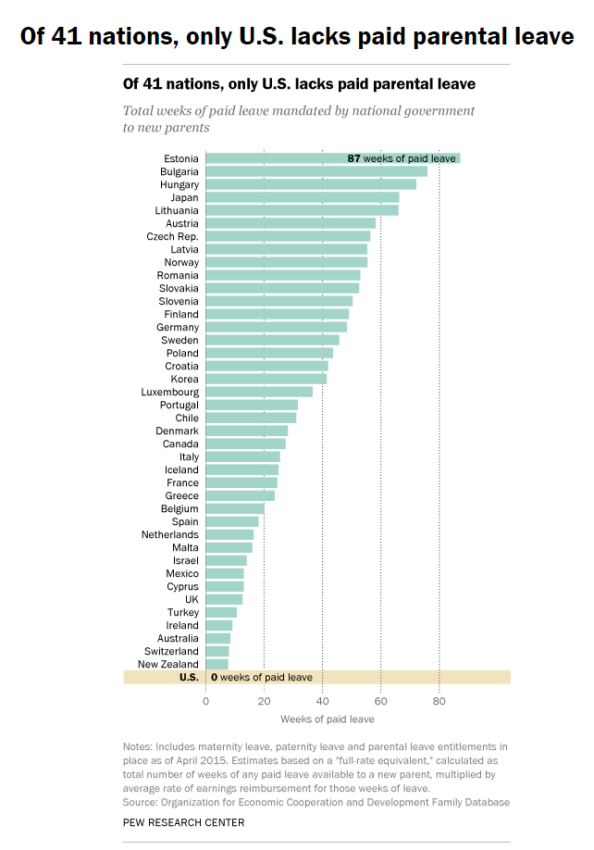
The thing about paid family leave policies in the U.S., is that the U.S. does not mandate paid family leave. California, New Jersey, Rhode Island and soon New York are the only states to have state-mandated paid leave plans in place. Among 41 industrialized nations in the Organization for Economic Cooperation and Development (OECD) and European Union, the U.S. is the only country not to require paid maternity leave. The U.S. provides up to 12 weeks of unpaid leave through the federal Family Medical Leave Act ...
It is a well-known fact: where you live impacts your overall well-being. Environment greatly impacts health, education, employment, access to opportunity, and long-term success. Latinos often face inequities and disparities due to barriers created by their environments. Many have to live in low-income and high-poverty and high-crime neighborhoods with little access to healthy food and physical activity opportunities. A recent ranking has determined the healthiest and least healthy counties in the heavily Latino populated state of Texas (38.42% Latino population). In order to reduce health disparities, it is critical to address inequities in programs, practices, and policies. Join our site, connect with others, and get involved. According to newly released data ...
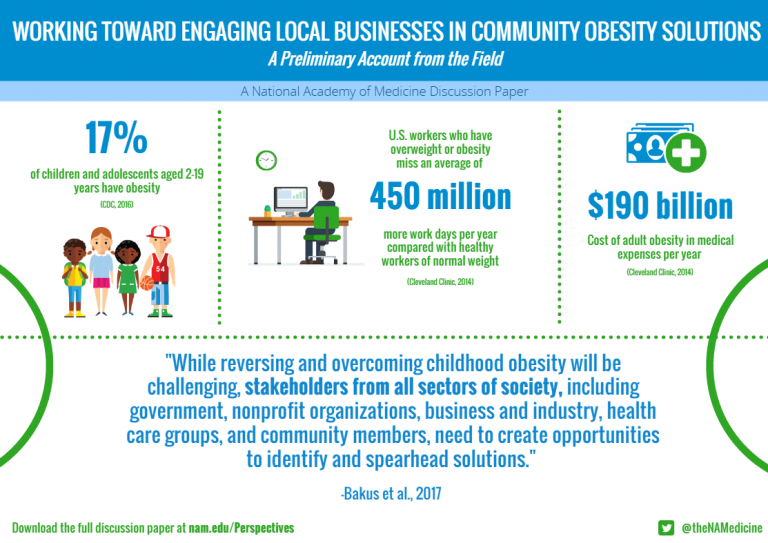
Childhood obesity is a serious public health concern in the United States. About 12.7 million children and adolescents aged 2–19 years, or 17 percent of the population, have obesity. For minorities, the statistics are even more troubling. Nearly 40% of Latino children are overweight or obese (higher rates than both white and black children), placing a significant burden on the current and future state of Latino health. The National Academy of Medicine (NAM) has recently released a discussion paper in which they analyze the role that local businesses can play in alleviating this the childhood obesity epidemic. Per the report (and in line with Salud America’s research) a lack of access to affordable, healthy foods, the absence of physical activity in schools and childcare ...