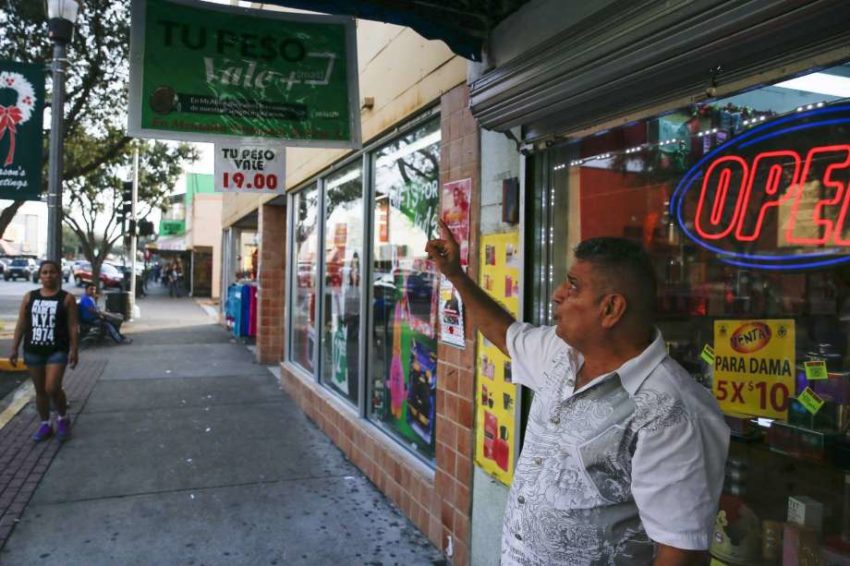
For many Americans, where they live often dictates how healthy they are. For Latinos, where they live often creates inequities and disparities; residential segregation often leads to a lack of access to care, lack of educational attainment, and financial inequity. The financial site WalletHub examined the notion of healthy cities recently. Cities across the country promote overall health and wellbeing through numerous initiatives ranging from access to nutritious food to creating recreation and fitness facilities to preserving and promoting green spaces or keeping healthcare costs affordable. Still, many cities are unable to or have not yet made such large-scale changes as these. Without these areas being prioritized, good health can be difficult to maintain, especially for ...
For many years, health programs have used volunteer community health workers called promotoras to deliver culturally sensitive health and wellness information to Latinos. But some Latinos may misunderstand what a promotora is all about. In fact, Mexican-born rural Latinas in rural Illinois communities were biased against promotoras because they perceived them as more like "unwanted salespeople" or "promoters" engaged in for-profit enterprises than legitimate volunteer health liaisons, according to a new study, columnist Esther J. Cepeda reports. The study, led by researchers including former Salud America! grantee Dr. Angela Wiley at the University of Illinois at Urbana-Champaign, found that Latinas' negative perceptions of promotoras kept them from engaging in the researchers' ...
Latinos have a good news/bad news "heart" relationship. Bad: Latinos face higher risks of heart disease than others. Good: Lifestyle changes—like eating the right foods—can reduce risk. Bad: Latinos face cultural, linguistic, and other barriers to making those changes. Good: Let’s use #SaludTues on Tuesday, Feb. 21, 2017, to tweet in English and Spanish about the latest ways to use food, nutrition, and other strategies to help Latinos adopt healthier heart habits for American Heart Month in February: WHAT: #SaludTues Bilingual Tweetchat: “Heart and Soul Food for Latinos”
TIME/DATE: 1-2 p.m. ET (Noon-1 p.m. CT), Tuesday, Feb. 21, 2017
WHERE: On Twitter with hashtag #SaludTues
HOST: @SaludToday
CO-HOSTS: Texas A&M Health Science Center (@TAMHSC), ...
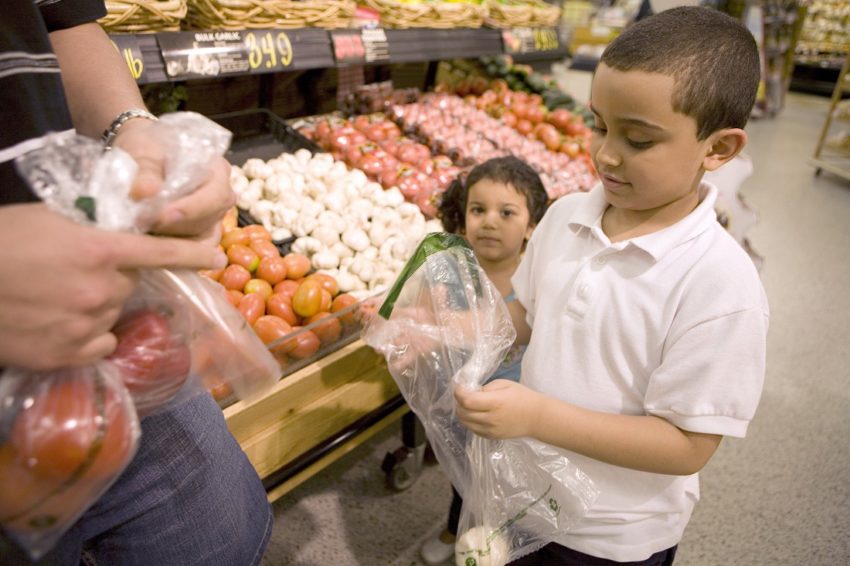
Families want healthy food choices where they shop. In fact, more than 27,000 people signed our Salud America! letter campaign to ask grocery stores to use labels, floor arrows, and other marketing strategies to promote fruit and veggie options for Latino families. “As a shopper, I know the marketing ploys used by groceries to entice me,” Myrna Mendez, resident of Bloomfield, Mich., wrote in her letter to grocers. “All we're asking for is to use those same marketing skills to promote fruits and vegetables for a healthier nation." We’ve delivered all 27,000 letters to the leadership of these grocery store associations: Alabama Grocers Association
Arkansas Grocers and Retail Merchants Association
Arizona Food Marketing Alliance
California Grocers Association
...
Physical activity = positive heart health. Physical inactivity = negative heart health. These things are scientifically true, regardless of your weight status. So, to reduce heart disease among Latinos, we need to redefine the role of physical activity for lifelong health. Let's use #SaludTues on Feb. 7, 2017, to tweet about how daily physical activity—walking, dancing, biking, gardening, swimming, doing yoga—can benefit our hearts: WHAT: #SaludTues Tweetchat: “Our Heart Loves Physical Activity”
TIME/DATE: 1-2 p.m. ET (Noon-1 p.m. CT), Tuesday, Feb. 7, 2017
WHERE: On Twitter with hashtag #SaludTues
HOST: @SaludToday
CO-HOSTS: @AHA_Vida (Vida Saludable); @Voices4HK (Voices for Healthy Kids); and @americawalks (America Walks)
OPTIONAL HASHTAGS: ...
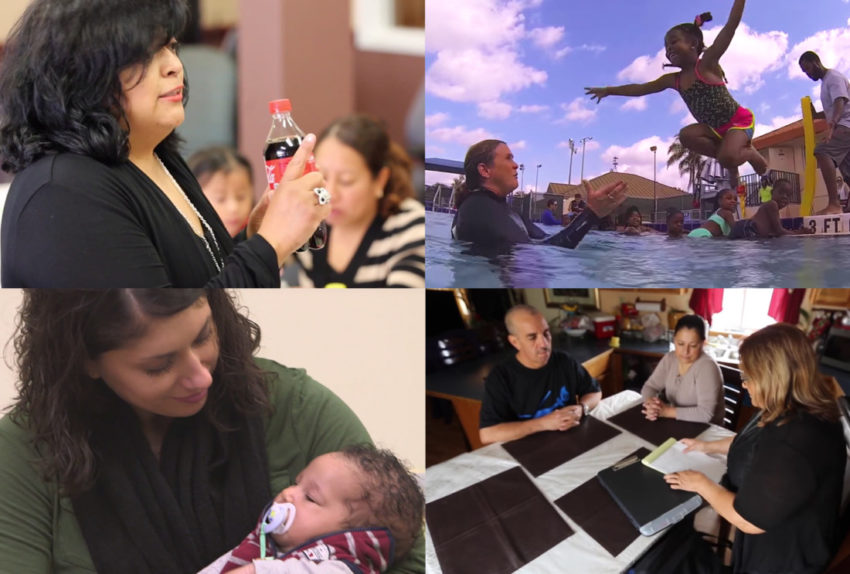
Latinos face cultural and other barriers to healthy lifestyles. That’s why they suffer high rates of diabetes, obesity, certain cancers, and mental health issues. Community advocates are here to help! WATCH and VOTE for six new Salud America! #SaludHeroes of Community Health who work with Latino families and kids to push healthcare, stress relief, physical activity, water, and more. For voting, we’ll enter you into a drawing for a FREE T-shirt and jump rope! Gaby Medina: Water Promotora. Gaby pushes water over sugary drinks to Spanish-speaking Latino families, as part of a Colorado campaign. Baby Café: Breastfeeding Help. Diana Montano and others started a Baby Café with peer counselors to support breastfeeding moms in San Antonio. Felipe Pinzon: Aid for ...
How can you help your child succeed in 2017? Work to ensure that schools have healthy school policies in place! Parents and parent groups can make a difference by working with school administrators to create chages—from school nutrition to physical activity breaks throughout the day—to ensure that kids have the chance thrive physically, emotionally, and academically. Kids in schools with strong wellness policies are less likely to consume junk food and more likely to be physically active, research shows. They also tend to do better in school! Unfortunately, many Latino schools don't enforce such policies. Let's use #SaludTues on Tuesday, Jan. 31, 2017, to join parents, educators and local leaders across the nation in tweeting solutions to boost school wellness policies ...
Athens, Ga., is like a lot of other U.S. communities. The Latino population in the 123,912-person city doubled in recent years, including many immigrants who have kids, speak Spanish, lack healthcare, and have low incomes, according to a new report. One certainty: They face many barriers to health. "Truly understanding what their needs are and the barriers they face when trying to access existing services for themselves and their children is a cornerstone to the development of relevant programs and policies that affect their overall well-being," Alejandra Calva, part of a Latino research institute at the University of Georgia, told UGA Today. What can be done in Athens and communities like it? Some communities are working hard to reduce the barriers that many Latinos ...
Many health disparities exist for the Latino community. Obesity, heart disease, diabetes, and certain types of cancer are more prevalent among Latinos than in any other racial or ethnic minority group. Barriers (social, cultural, and financial) also exist that keep Latinos from obtaining preventative health services. One barrier that is rapidly becoming a problem in California (38.18% Latino population) is the disturbing lack of Latino healthcare professionals. One program is looking to change that. The University of California – Davis has partnered with the Permanente Medical Group to create the Prep Médico program, which offers health courses, lectures, and shadowing opportunities to low-income freshman and sophomore students from Central and Northern California who can ...