by
by 
Share On Social!
In South Texas, risk is high for liver cancer, cervical cancer, and pediatric leukemia.
To pave way for responsive research, the Creando Conexiones: Creating a Patient Centered Cancer Health Research Agenda in South Texas (Creando Conexiones) project aimed to outline patient-centered comparative clinical effectiveness research (PC-CER) priorities and topics identified by South Texas cancer survivors, caregivers, and stakeholders affected by these cancers.
The result is the Creando Conexiones: Cancer-Related Health Outcomes Research Agenda.
Let’s explore the agenda.
Developing the Creando Conexiones Research Agenda
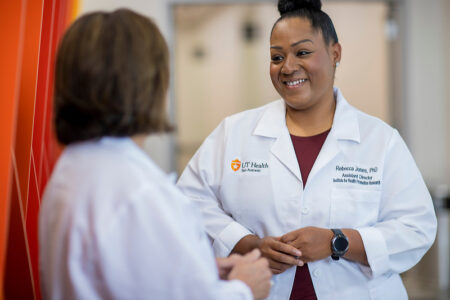
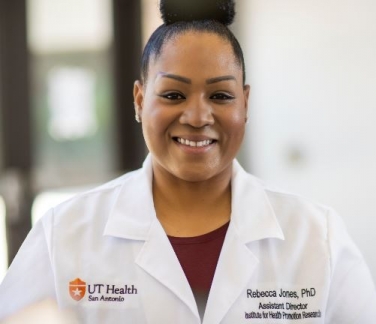
Dr. Rebecca Jones of the Institute for Health Promotion Research at UT Health San Antonio launched the Creando Conexiones program with a $250,000 from the Patient-Centered Outcomes Research Institute (PCORI).
The Creando Conexiones research agenda was driven by South Texas cancer survivors and caregivers, a coalition of advocates, and researchers, clinicians, and clinical team members at the Mays Cancer Center at UT Health San Antonio.
In March 2024, the core research agenda team and coalition were formed, comprised of representatives from the Mays Cancer Center at UT Health San Antonio, community organizations, and survivors and caregivers touched by South Texas’ three disproportionate cancers. The Community Outreach and Engagement (COE) team at the Mays Cancer Center served as the primary convener to execute the development of the research agenda.
Between March 2024 and February 2026, the core team and coalition worked to identify primary focus areas, stakeholders, and methods of input, support the prioritization criteria and relative importance, and promote the collection of information from survivors and caregivers through focus groups, interviews, a three-round Delphi study, strategic planning sessions, and infrastructure planning meetings.
The Cancer Survivorship Care Quality (CSCQ) Framework was used to guide the development of the research agenda.
Research priorities were combined and refined as needed to ensure this research agenda includes topics most relevant to improving cancer-related health outcomes for survivors and their caregivers across South Texas.
The preliminary agenda was presented at a community virtual forum.
The Creando Conexiones Research Agenda: Cervical Cancer
The Creando Conexiones research agenda identified several priority areas addressing the needs of cervical cancer patients, survivors, and caregivers in South Texas.
The highest-priority domain focuses on physical effects, which is addressed by determining how to effectively provide medical information and resources before, during, and after treatment, including how to discuss medication options for managing side effects.
The second priority domain focused on healthcare delivery, emphasizing evaluation of support navigators and Community Health Workers (CHWs) provide to cancer survivors and caregivers.
Recurrence and new cancers was ranked as the third-highest priority domain, focusing on conducting research to identify new routine screenings for earlier detection of cervical cancer symptoms before symptoms appear.
Our cervical cancer survivors and caregivers described the experience of participating in the Creando Conexiones project as not only part of their own healing process, but provided a way to share this experience to help other families navigate their own cancer journeys.
Read an infographic on cervical cancer.
The Creando Conexiones Research Agenda: Liver Cancer
The Creando Conexiones research agenda identified several priority areas addressing the needs of liver cancer patients, survivors, and caregivers in South Texas.
The highest-priority domain was health promotion, particularly emphasizing primary care and specialty clinician education.
In the second-highest priority domain was physical effects, particularly in supporting informed decision-making by improving the understanding of short and long-term treatment effects.
Healthcare delivery ranked third, focusing on access to specialized care through liver cancer specialists, especially in regions with limited hepatologists and oncologists.
By identifying PC-CER priority areas for liver cancer, the research agenda supports efforts across South Texas to improve access to timely, high quality liver cancer diagnosis and treatment, optimize the quality of life for those affected by liver cancer, and enhance the physical and mental health of cancer survivors at the Mays Cancer Center.
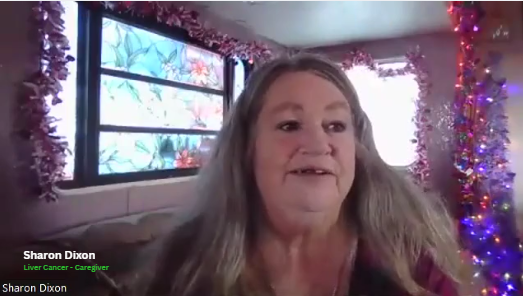
Our liver cancer survivors and caregivers, including Sharon Dixon, felt their voices heard knowing that the concerns they identified as needing to be addressed ultimately emerged as top-priority research items.
Read an infographic on liver cancer.
The Creando Conexiones Research Agenda: Pediatric Leukemia
The Creando Conexiones research agenda identified several priority areas addressing the needs of pediatric leukemia patients, survivors, and caregivers in South Texas.
Ranked as the highest priority domain were physical effects, focusing on identifying effective approaches to manage symptoms and side-effects possibly achieved by tailoring treatments for children to minimize physical side effects.

The second-highest priority domain identified focuses on psychosocial effects, particularly in identifying effective approaches to help survivors and caregivers cope with the trauma, grief, and stress caused by diagnosis and treatment.
Health promotion was identified as the third-highest priority domain, focusing on developing and harmonizing existing survivorship guidelines and recommendations for disease prevention (e.g., routine screenings, vaccines).
Our pediatric leukemia survivors and caregivers, including Melissa Hernandez, described their experience participating in the Creando Conexiones project as insightful, providing and opportunity to learn about other’s journeys and to connect over shared priorities they felt were lacking in cancer care.
Read an infographic on pediatric leukemia.
The Creando Conexiones Research Agenda: Testimonial from a Project Coalition Member
Jason Massiatte, leader of the Hope at Heart Foundation, served as a Creando Conexiones coalition member.

“Participating in the Creando Conexiones project was deeply impactful and personal. My journey through this program allowed me to truly see and hear the real challenges our families face every day, challenges that often go unseen in traditional research and systems of care.”
“Being able to bring those lived experiences into the conversation, and knowing they helped shape the project, was both validating and empowering. It reaffirmed the importance of listening to families not just as recipients of services, but as experts in their own experiences.”
“I hope the Creando Conexiones cancer research agenda leads to meaningful, community-informed change for cancer survivors and caregivers across South Texas. My hope is that this work results in research that reflects the realities of our families’ lives and translates into practical solutions, improving access to care, addressing cultural and systemic barriers, and strengthening support networks.”
“Ultimately, I want survivors and caregivers to feel seen, supported, and less alone, knowing that their voices helped guide the path forward.”
By The Numbers
142
Percent
Expected rise in Latino cancer cases in coming years