 by
Share On Social!
Latinos make up 15.1% of the population, yet account for 18.6% of pedestrian fatalities. Latinos face an age-adjusted pedestrian fatality rate 43% higher than whites, according to Dangerous by Design 2104.
When working to promote walkability and create policies that promote walking, it is important to engage, empower and inform community members, organizations, and elected officials about equity, fairness, and justice.
The Every Body Walk! Collaborative (EBWC) and partners developed the Social Justice Toolkit to identify key areas where walking and walkability can help to ease tensions, bridge divides, and address disparities within communities.
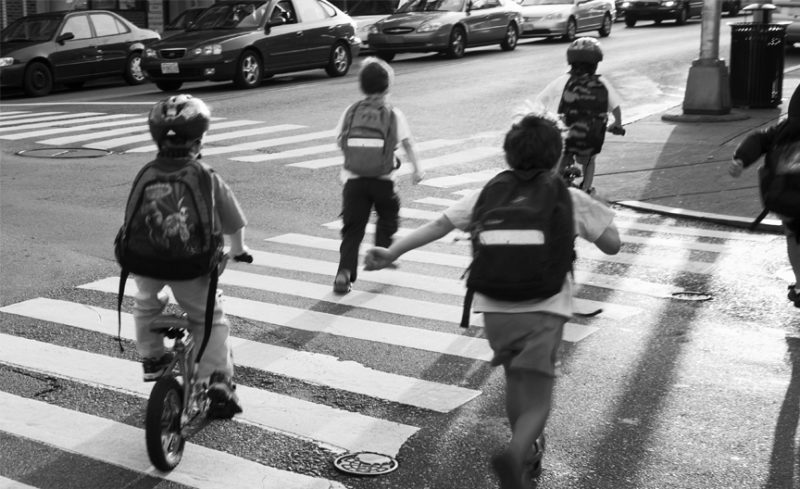
“The best thing we can do for the safety of our children is to get them out of the car by building mixed-use, walkable neighborhoods,” Charles Marohn wrote in his Strong Towns blog.
The Toolkit provides talking points, messaging tools, and other tools and resources to talk about how the health benefits of walkable communities help to also foster equitable communities.
Sections of the Social Justice Toolkit include:
- Walkable Communities Are Safe Communities
- Walkable Communities Are Healthy Communities
- Walkable Communities Provide Opportunities to Work Together
- Education and Promotion of Walking and Walkable Communities
- Social Justice Toolkit Training and Workbook
Walkable communities save lives by providing safe, accessible, affordable, and enjoyable options for active transportation to work, school, grocery stores, and other needs as well as providing a safe form of physical activity.
Do you wish your neighborhood was more walkable? Check out this Toolkit and share it with others.
Read this Salud Hero story about a Latino neighborhood that turned a busy street into a pedestrian-safe destination here.

Explore More:
Healthy Families & SchoolsBy The Numbers
142
Percent
Expected rise in Latino cancer cases in coming years