by
Share On Social!
When Sandi Stanford was diagnosed with breast cancer in 1993, everything was vastly different from how we view, treat, measure, and research the disease today.
Much of that has to do with innovations in medicine, science, and technology.
However, there were far more powerful players steering the ship — survivors.
This new breed of survivors weren’t standing on the sidelines; they were educating themselves, inserting themselves in research, and having conversations that would benefit future generations of survivors.
They called themselves cancer patient advocates.
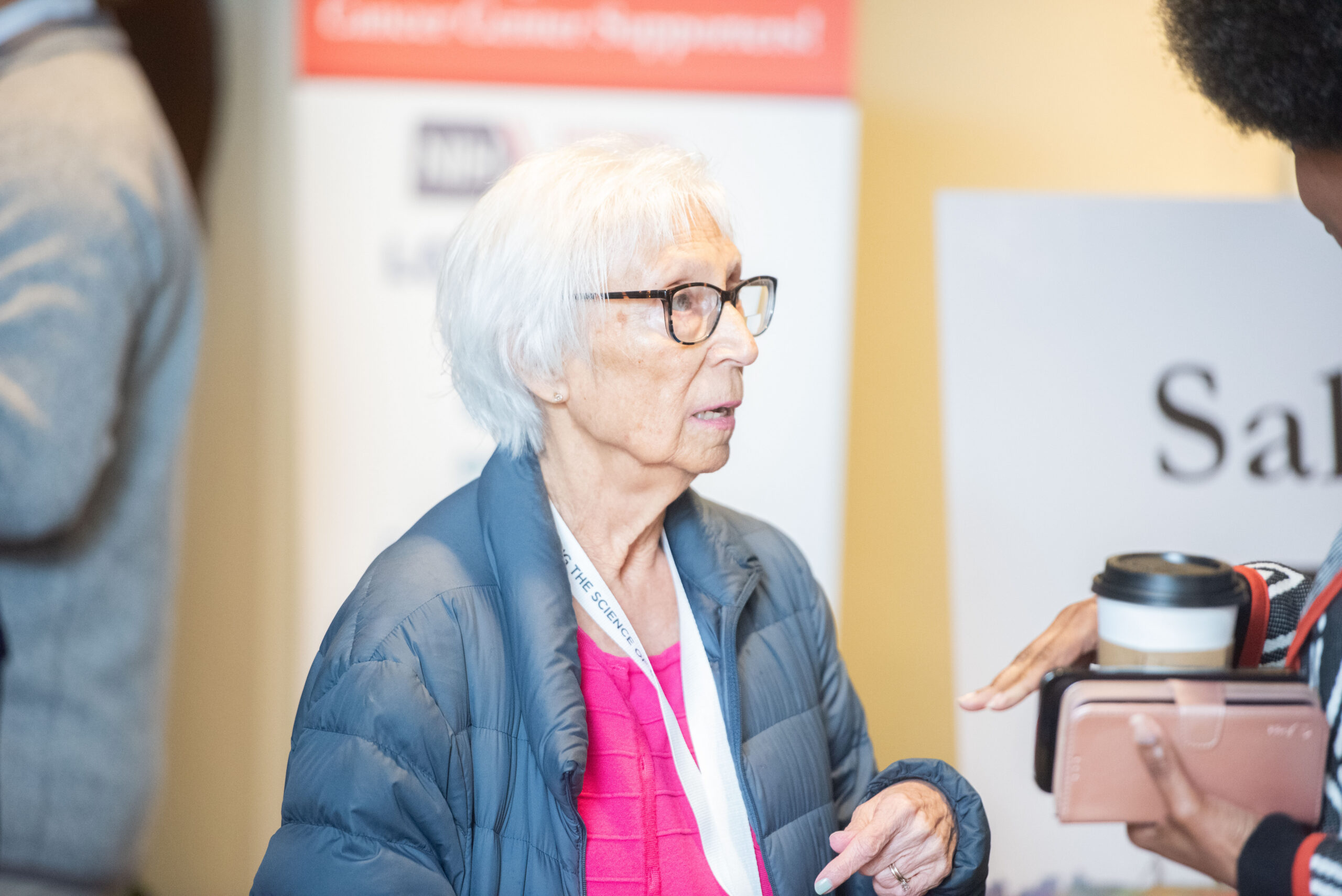
One such advocate, Sandi Stanford of San Antonio, Texas, helped pioneer programs and initiatives that transformed a cancer diagnosis into action.
Unfortunately, Sandi passed away on Aug. 29, 2026, at age 82.
While the cancer community feels her immense loss, her cancer-fighting spirit continues with the new generations of advocates she’s mentored and trained over the years to carry on her mission of improving cancer outcomes for all people.
“She did so much for women with breast cancer at the local and national level. She was loved by all. Her contribution to improving the lives of Latinos and all cancer patients and survivors will never be forgotten. She will continue to be a bright light in advocacy and live on through those she’s touched and change she inspired,” said Dr. Amelie Ramirez, director of Salud America! and the Institute for Health Promotion Research at UT Health San Antonio.
Sandi Stanford: Surviving Breast Cancer
Sandi Stanford was born on Jan. 23, 1944.
She later married and the couple raised children in San Antonio, Texas, together while she worked as an area manager at USAA.
In 1993, at age 50, her life trajectory changed drastically.
What was supposed to be a joyous time spent with family and friends turned sour quickly when she got a call during the week of Christmas festivities.
The voice on the other end confirmed her fears. Doctors had found two tumors, one at 5.5 cm and a second one at 1.0 cm.
She had stage III breast cancer.
In early 1994, Sandi underwent surgery, chemotherapy, and suffered through several serious adverse health events that threatened her life.
What helped her through it the most was knowing that her husband and children were by her side.
At the time of her diagnosis, Sandi was fortunate enough to have insurance that covered her treatment, and enough sick leave stored to get her through the most physically demanding part of her journey.
Not everyone was as lucky as Sandi was — in more ways than one.
Living in South Texas, Sandi witnessed the Latino community ravaged by the same disease she was fighting and the many hurdles they faced in getting treatment.
“I started with a very little voice and now my voice is bigger [through advocacy]. I’m not afraid to say something or ask a doctor a question. Whereas in the Latina community, that’s not the case,” Sandi told Salud America!
That’s why upon the completion of treatment; she decided to walk the path of advocacy and devoted her time to helping and mentoring women with breast cancer.
Sandi Stanford: Alamo Breast Cancer Foundation
Sandi’s advocacy journey started right in her hometown of San Antonio, when she got involved with the Alamo Breast Cancer Foundation in 1995.
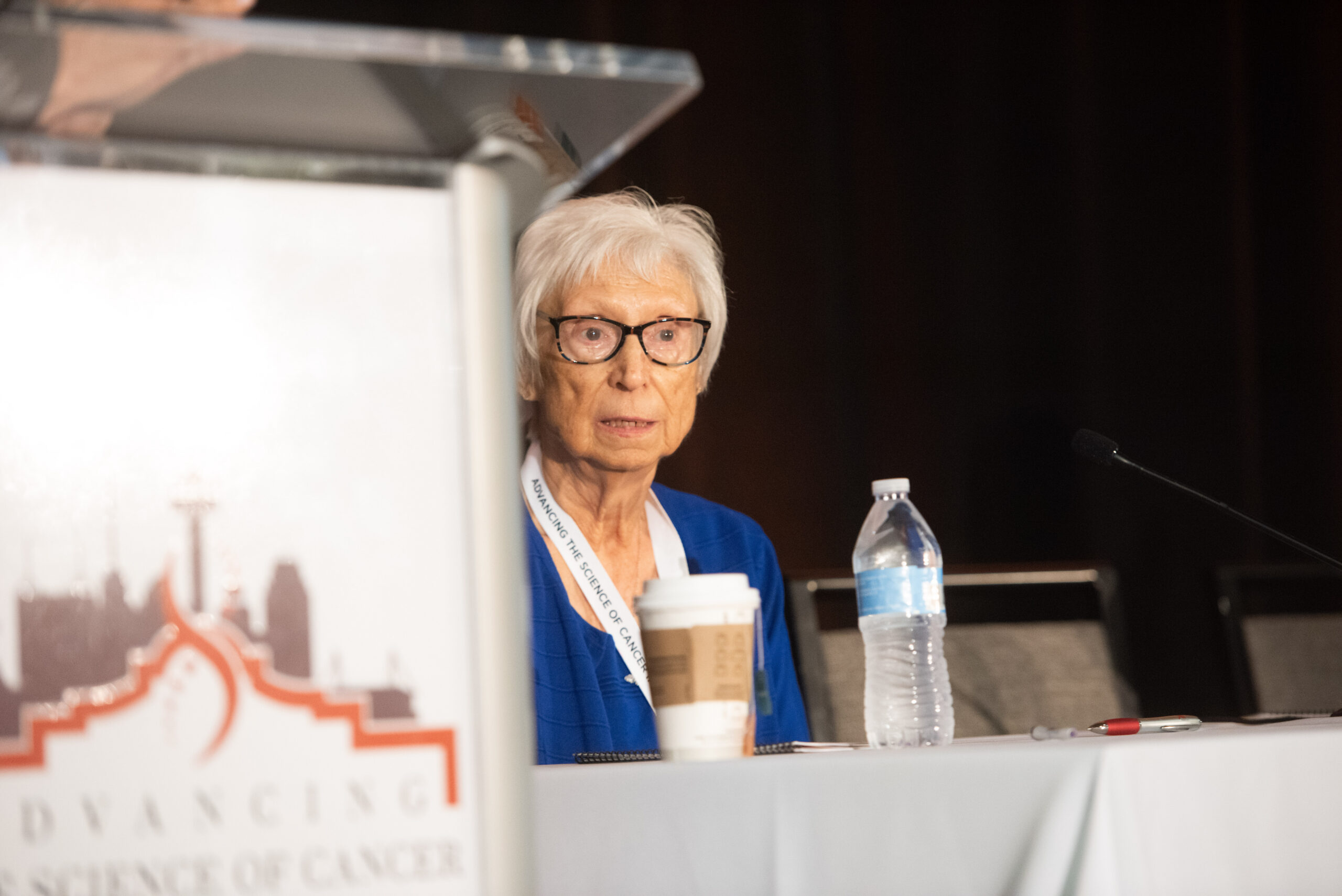
The Alamo Breast Cancer Foundation was established in 1993 to support breast cancer patients by holding support group meetings.
However, the type of support breast cancer patients and survivors needed at the time couldn’t be found in a mere support group.
After a founding member of the organization attended a symposium that highlighted research for local oncologists, the nonprofit would go on to develop an advocacy program that would bring advocates to the San Antonio Breast Cancer Symposium (SABCS).
One of the Alamo Advocate Program founders was Sandi, who understood that more support groups were not the answer.
“Originally, we would just have a helpline. We just had a support group, and the thought was, we don’t need to do something else to accomplish what we need,” she told Cancer Today magazine. “Now we know we need to be talking to the researchers. We need to be a part of their grants. We need to understand the science. We need to be able to talk to them face to face so we can understand what they are saying, and they can understand us. There’s a respect there now.”
Sandi served as a board member of the Alamo Breast Cancer Foundation from 1999 until her passing and acted as president of the organization from 2009 to 2011.
Her involvement in these activities was just the beginning of her career in advocacy.
Sandi Stanford: Breast Cancer Advocate
From Denmark to San Antonio, Sandi’s advocacy career took her all over the world.
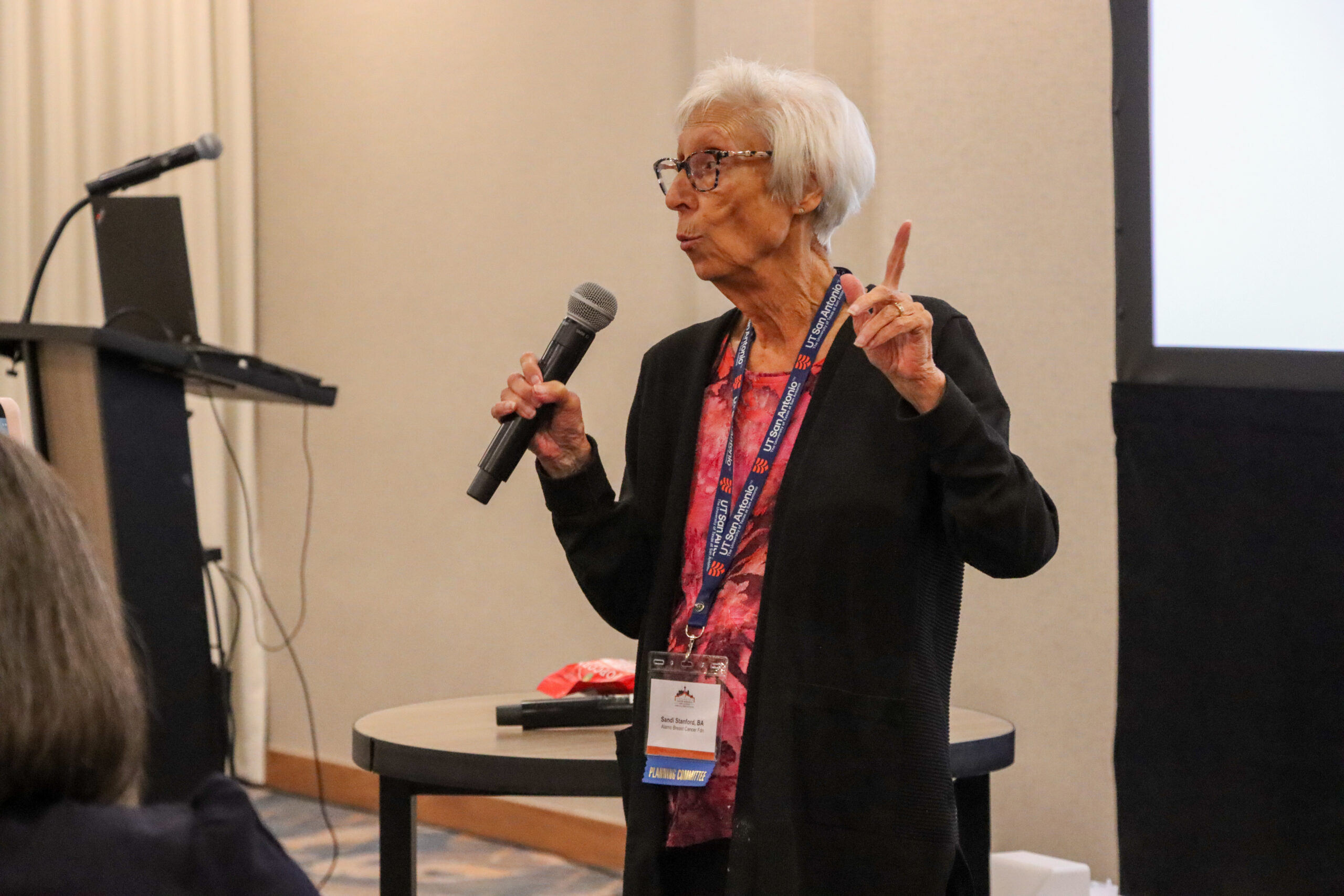
She addressed researchers and stakeholders of the need for advocates to inform better research and therapies for patients at conferences and led mentorship programs that truly made an impact.
Sandi has served in advocacy and planning leadership roles across major cancer centers and organizations.
In 1999 Sandi started volunteering with the American Cancer Society as a speaker and a certified breast self-exam trainer.
Throughout her career Sandi served on several planning and steering committees for the San Antonio Breast Cancer Symposium.
Staying close to her roots, Sandi was also heavily involved with UT Health San Antonio’s Mays Cancer Center, serving as chair of its Community Advisory Board from 2019 to 2024, and University Health Systems, where she served on various committees from 2011 to 2020.
She was on the board of directors for the San Antonio Clinical Trials Task Force, was an advocate member for the California Breast Cancer Research Program from 2002 to 2006, 2008, and 2010, was involved in the Department of Defense Breast Cancer Research Program from 2005 to 2008.
She spoke about advocacy and breast cancer prevention everywhere she went, including working with the WNBA Stars breast health programs in San Antonio.
Sandi Stanford: Shepherding a New Generation of Advocates
While her advocacy knew no bounds and no boarders, Sandi always enjoyed being part of advocacy close to her home in San Antonio, like the Advancing Cancer Research for Latinos and All Populations conference.
Under the leadership of health improvement researcher Dr. Amelie Ramirez of UT Health San Antonio, the Advancing Cancer Research for Latinos and All Populations (ACRLP) biennial conference welcomes prominent researchers, physicians, healthcare professionals, patient advocates, and students from across the globe to address cancer among Latinos and all people.
As a well-respected research advocate, close colleague and supporter of Dr. Ramirez, Sandi served on the scientific planning committee for the conference.

As part of her role, Sandi helped bring awareness to the need for cancer patient advocates and coordinated the survivorship component of the conference’s proceedings alongside fellow committee member and advocate, Dr. Barbara Segarra-Vázquez of the University of Puerto Rico.
But it wasn’t making quite the impact they knew it could be, and the pair set off on finding support to bring a full patient advocacy program to the conference.
The goal was to bring together survivors to learn from experts on how to navigate the healthcare system and elevate the Latino patient’s voice in research.
“You really have to have passion to become a patient advocate,” said Segarra-Vázquez of advocacy. “It’s that desire to help others, that desire to speak for those who cannot speak, maybe because they’re not sitting at the table, or maybe because they’re not here anymore. It’s our role to continue the legacy and to have less people or no people at all die from cancer.”
With overwhelming support from Dr. Ramirez and sponsors like Abbott (formerly Exact Sciences), Pfizer, and Susan G. Komen, Sandi and Segarra-Vázquez launched the first-ever Latino Cancer Patient Advocate Training Program a day before the start of the fourth-ever ACRLP conference in San Antonio, Texas, in February 2024.
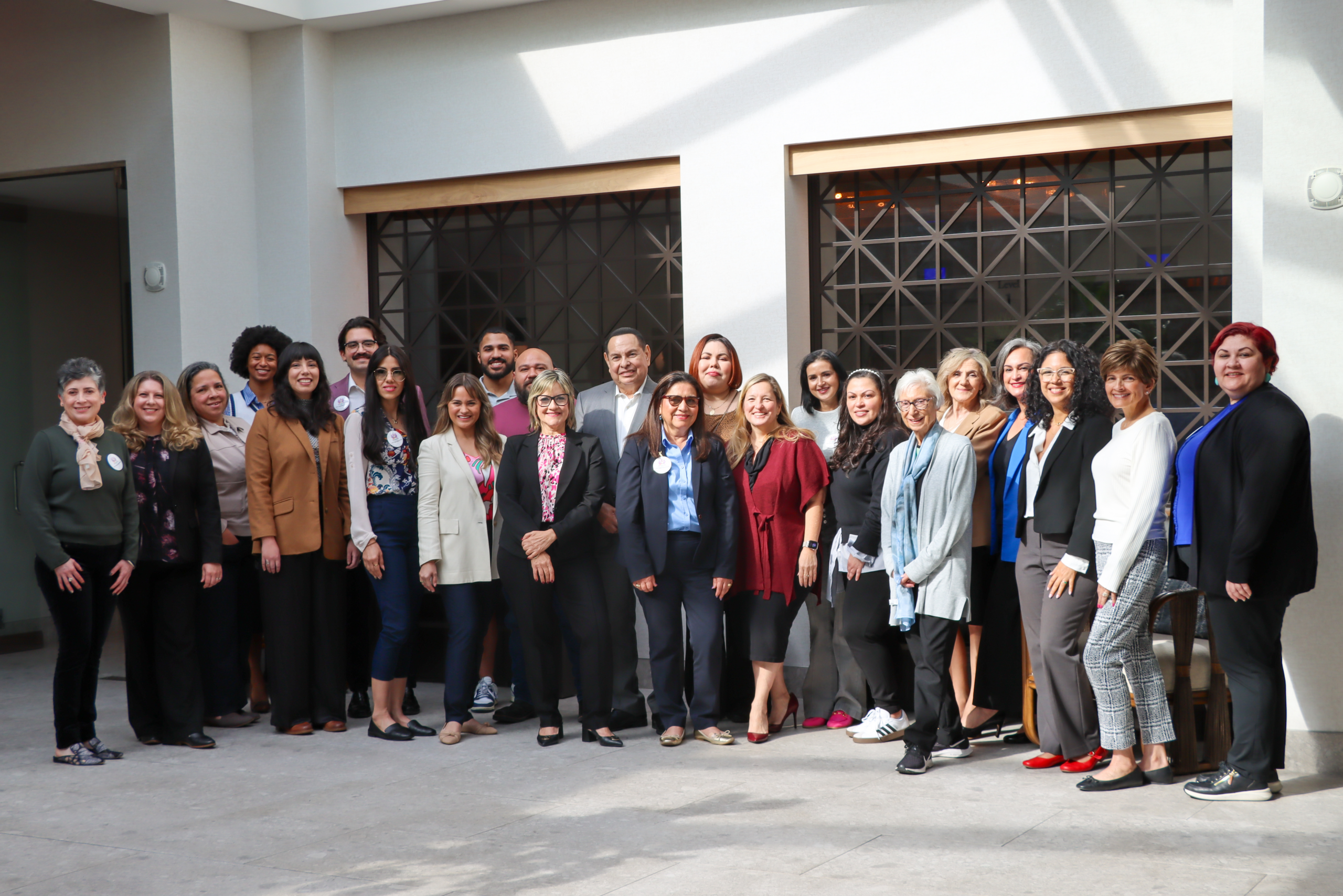
For the training, they welcomed 15 fearsome Latinas to follow in their advocacy footsteps.
With help from Sandi and Segarra-Vázquez, the new advocates have gone on to sit on panels, steering committees, stakeholder meetings, and share their stories to show that survivors are a big part of the equation to create therapies, interventions, and treatments for cancer patients.
In 2026, they turned around and brought the patient advocate training program a second time, this time welcoming 16 new Latino cancer survivors, including male cancer survivors and caregivers for the first time.
The class of 2026 spanned borders, backgrounds, and cancer types, bringing new sets of skills and experiences to the table in hopes of making an impact.
The latest cohort completed their training and walked the proverbial stage on Aug. 26, 2026.
“Since I met Sandi in 2012, I could tell that she was one of a kind. She was always selfless and just wanted to help new advocates find their voice. I am grateful she believed in my vision of Latino advocates and partnered with me to make it happen. She was family to me,” Barbara said.
Through this program, Sandi helped guide and mentor the newest crop of advocates in making a difference for cancer patients, just as she did when she chose to become an advocate over 25 years ago.
Remembering Sandi Stanford’s Legacy
Sandi Stanford will forever be remembered for her unwavering commitment to breast cancer advocacy and fearless approach to helping survivors find their voices.
Her friends and colleagues at SABCS remembered her as “a pioneer in patient advocacy, a fierce leader, a mentor, and a dear friend to so many. For decades, Sandi championed the patient voice at SABCS, welcoming and mentoring advocates. Her impact on the breast cancer community is immeasurable.”
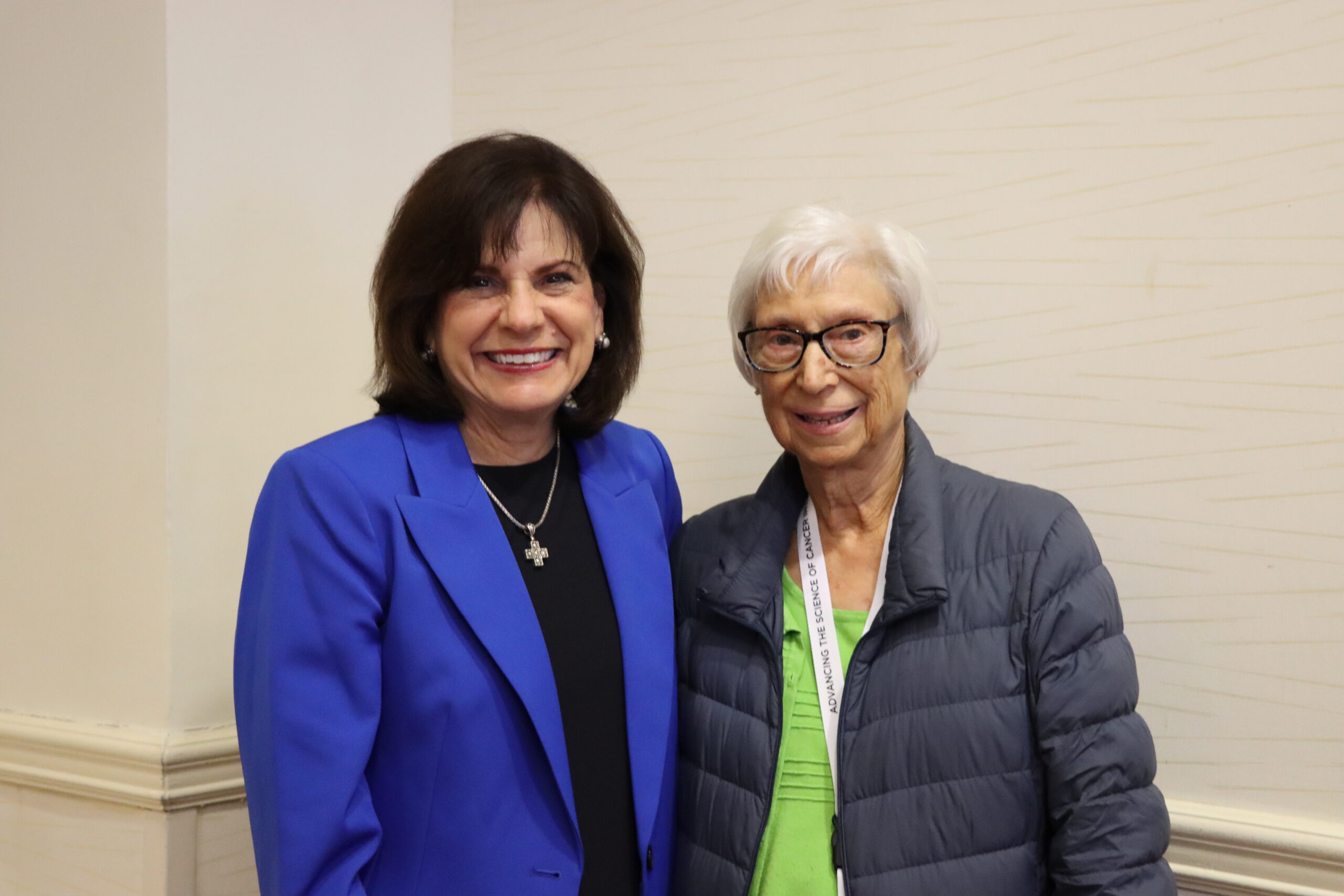
Generations of survivors will benefit from the countless contributions she made to the survivorship communitythrough the cultivating of patient advocates. Those touched by her kindness, warmth, and compassion will carry on her work for years to come.
Since her passing, Sandi has received an overwhelming outpour of thanks, love, and remembrance from friends she knew, colleagues she served alongside, and organizations she has supported over her remarkable tenure as an advocate.
The Alamo Breast Cancer Foundation recognized Sandi as an “energizer bunny” and a “true powerhouse in breast cancer advocacy.”
“For years, she poured her heart into empowering patients, elevating the voices of advocates, and demanding better research, care, and outcomes for all,” according to the Alamo Breast Cancer Foundation.
“Her strength, sharp insight, and boundless warmth transformed countless lives across the globe. While her presence leaves an irreplaceable void, Sandi’s extraordinary legacy of courage, service, and compassion will continue to guide our work every single day.”
Texas Wings called Sandi’s life a “beautiful testament to what can happen when survivorship becomes service.”
“Her influence reached beyond titles and boardrooms. It lived in the patients she encouraged, the advocates she befriended, the knowledge she shared, and the countless lives touched because she chose to turn her own experience into a lifetime of service,” according to Texas Wings.
Explore More:
CancerBy The Numbers
142
Percent
Expected rise in Latino cancer cases in coming years
This success story was produced by Salud America! with support from the Robert Wood Johnson Foundation.
The stories are intended for educational and informative purposes. References to specific policymakers, individuals, schools, policies, or companies have been included solely to advance these purposes and do not constitute an endorsement, sponsorship, or recommendation. Stories are based on and told by real community members and are the opinions and views of the individuals whose stories are told. Organization and activities described were not supported by Salud America! or the Robert Wood Johnson Foundation and do not necessarily represent the views of Salud America! or the Robert Wood Johnson Foundation.