 by
by Share On Social!
In 2024, 15 Latina cancer survivors from across the US and beyond met for the first-ever Latino Cancer Patient Advocate Training Program to become cancer patient leaders.
Since then, the survivors-turned-patient leaders, like Marielle Santos McLeod and Andrea Suarez Vargas have been sharing their stories to help cancer patients, elevate their voices among decision-makers, and create new research opportunities for Latinos and all people.
However, there is still more work to do.
On the heels of the first training, program creators Dr. Barbara Segarra-Vázquez of the University of Puerto Rico and Sandi Stanford of the Alamo Breast Cancer Foundation turned around to do it again.
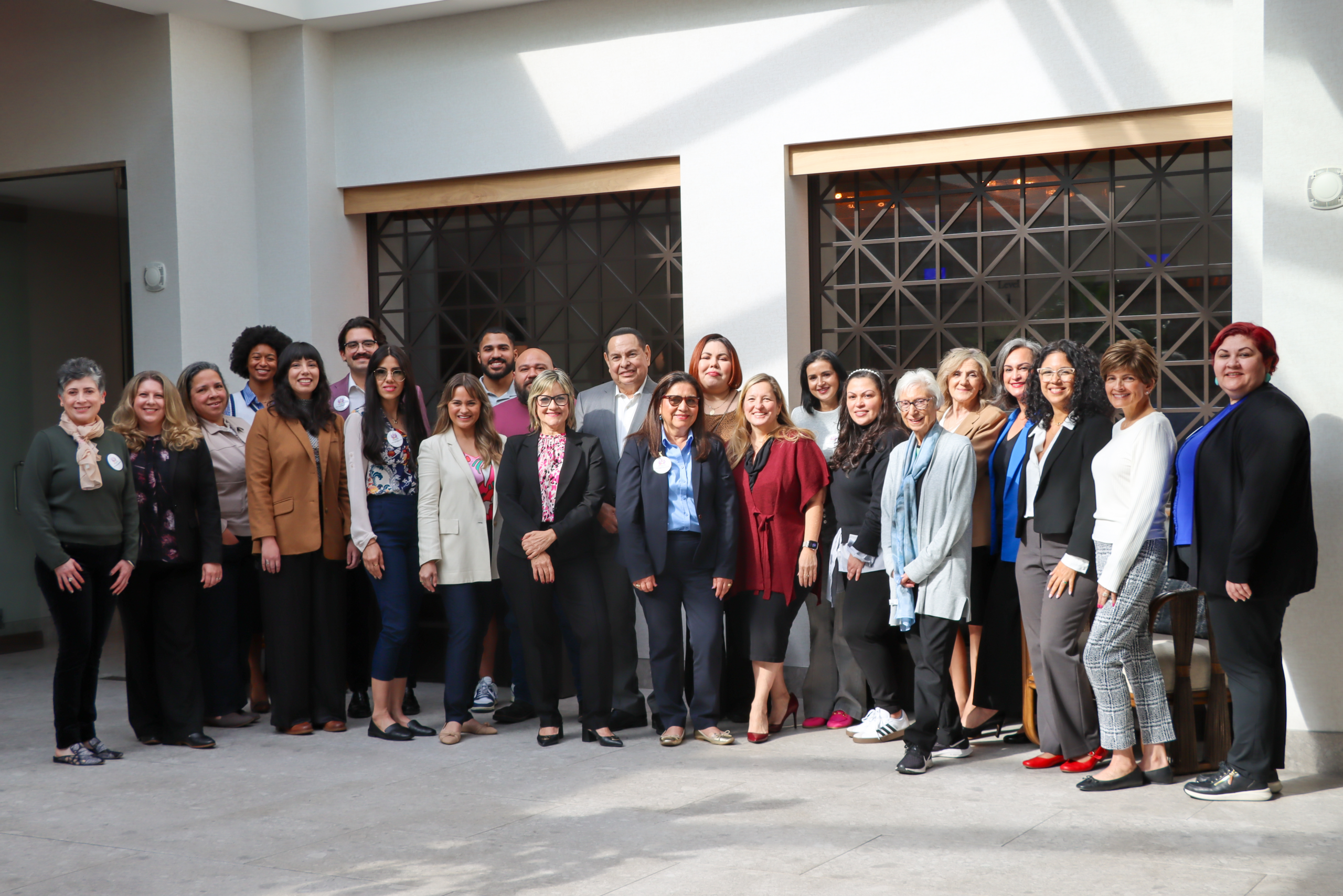
This time the pair welcomed 16 new Latino cancer survivors to participate in the second cohort of Latino Cancer Patient Advocate Training Program. They met for the first time ahead of the 2026 Advancing Cancer Research for Latinos and All Populations Conference, which was held from Feb. 18-20, 2026, in San Antonio, Texas.
The survivors, including several men for the first time, consisting of a variety of different cancer types, learned how to meet the challenges of a rapidly changing cancer care environment.
“[The program was built] to create that community for them to learn from each other and it’s been amazing. It’s because of what the first cohort did that we are doing it again,” Segarra-Vázquez teased.
Developing the New Cohort for the Latino Cancer Patient Advocate Training Program
Dozens of Latino cancer survivors across the country applied to participate in the second cohort of the Latino Cancer Patient Advocate Training Program.
In the end, 16 were chosen.
These trainees first attended a virtual meet-and-greet followed by a virtual educational session, which set the tone for what they were about to embark on.
Then they came together on Feb. 17, 2026, in San Antonio, just ahead of the Advancing Cancer Research for Latinos and All Populations Conference.
At this gathering, the trainees covered a variety of different topics from experts in their fields, many of them were returning speakers from the inaugural training.
Dr. Marcela Mazo, a notable breast cancer oncologist at the Mays Cancer Center, delivered a session on cancer science. Dr. Gladys Rodriguez, the vice president of clinical research at The START Center for Cancer Care, did a session on clinical trials. Returning speaker Charité Ricker, an assistant professor at the University of Southern California, opened the floor for a lesson on genetics and genomics.
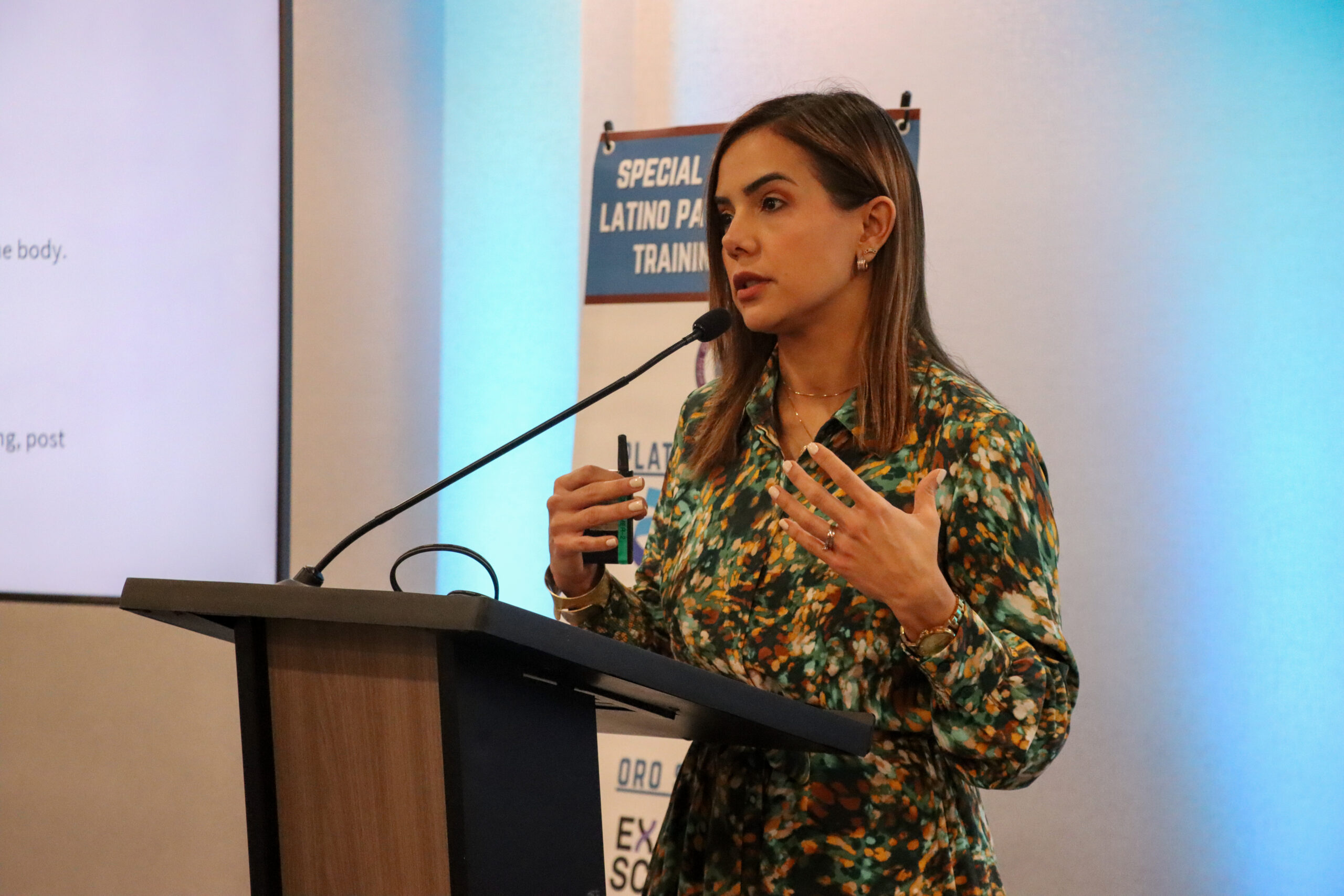
Julia Maues, a breast cancer advocate and co-founder of GRASP (Guiding Researchers & Advocates to Scientific Partnerships) also returned to speak to the group.
Program co-founder Dr. Barbara Segarra-Vázquez gave the group a crash course on where to find and how to use valuable resources.
Dr. Amelie G. Ramirez of Salud America! and the Institute for Health Promotion Research at UT Health San Antonio stopped by with a few inspirational words for the trainees.
“We need your voices. We need to make that difference,” she told them.
New Experts for the Latino Cancer Patient Advocate Training Program
In addition to returning speakers, several new experts joined in.
Dr. Michelle Hunt, a clinical pharmaceutical expert at Pfizer, gave the trainees a hands-on lesson in what it takes to get a drug tested, approved, marketed, and out for public consumption.
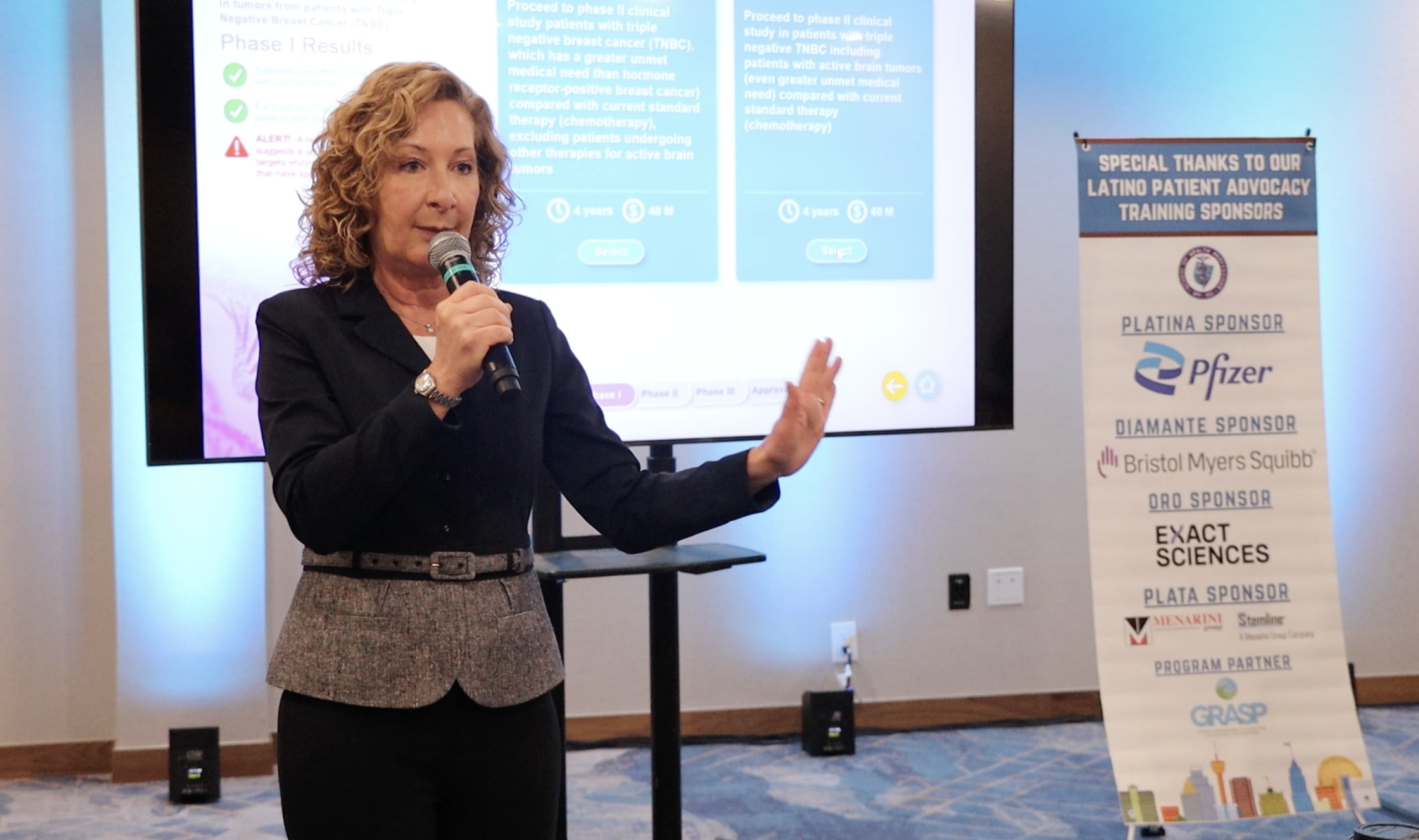
Catherine Stewart, a communications specialist at the Institute for Health Promotion Research at UT Health San Antonio and Salud America! content curator, walked both cohorts through how to use social media to leverage their patient leadership work.
In addition, two trainees from the first cohort came to mentor the new recruits.
Returning were colon cancer survivors Marielle Santos McLeod from South Carolina and Andrea Suarez Vargas from Miami, Florida.
“Two years ago, I joined this program as a survivor trying to understand where our voices fit in cancer research and now, I’m returning as a mentor. I’ve seen how much can change when you have the right guidance and a strong community behind you,” Andrea told Salud America! in an upcoming podcast.
The in-person gathering was topped off with an awards banquet honoring the participants, speakers, and sponsors.
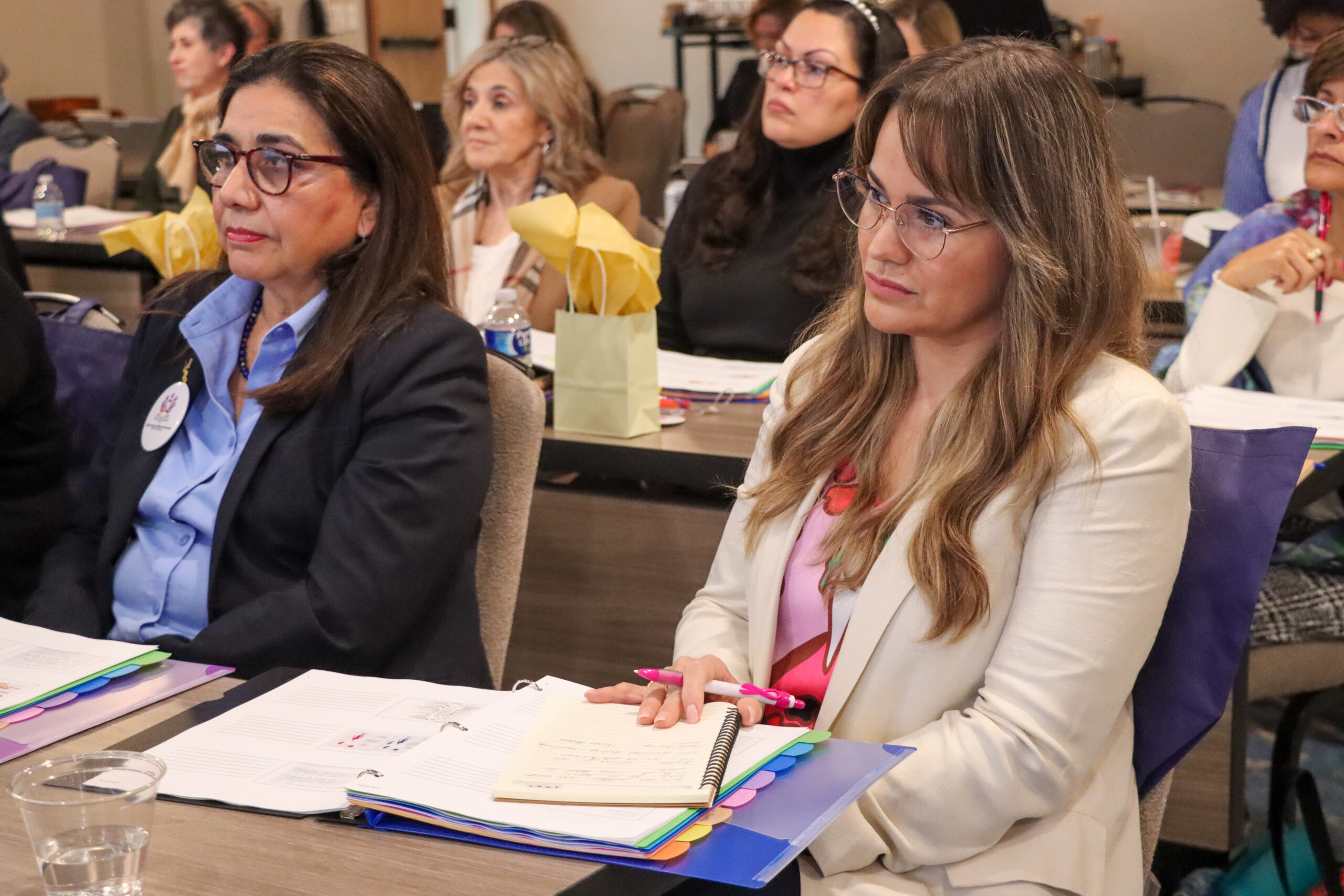
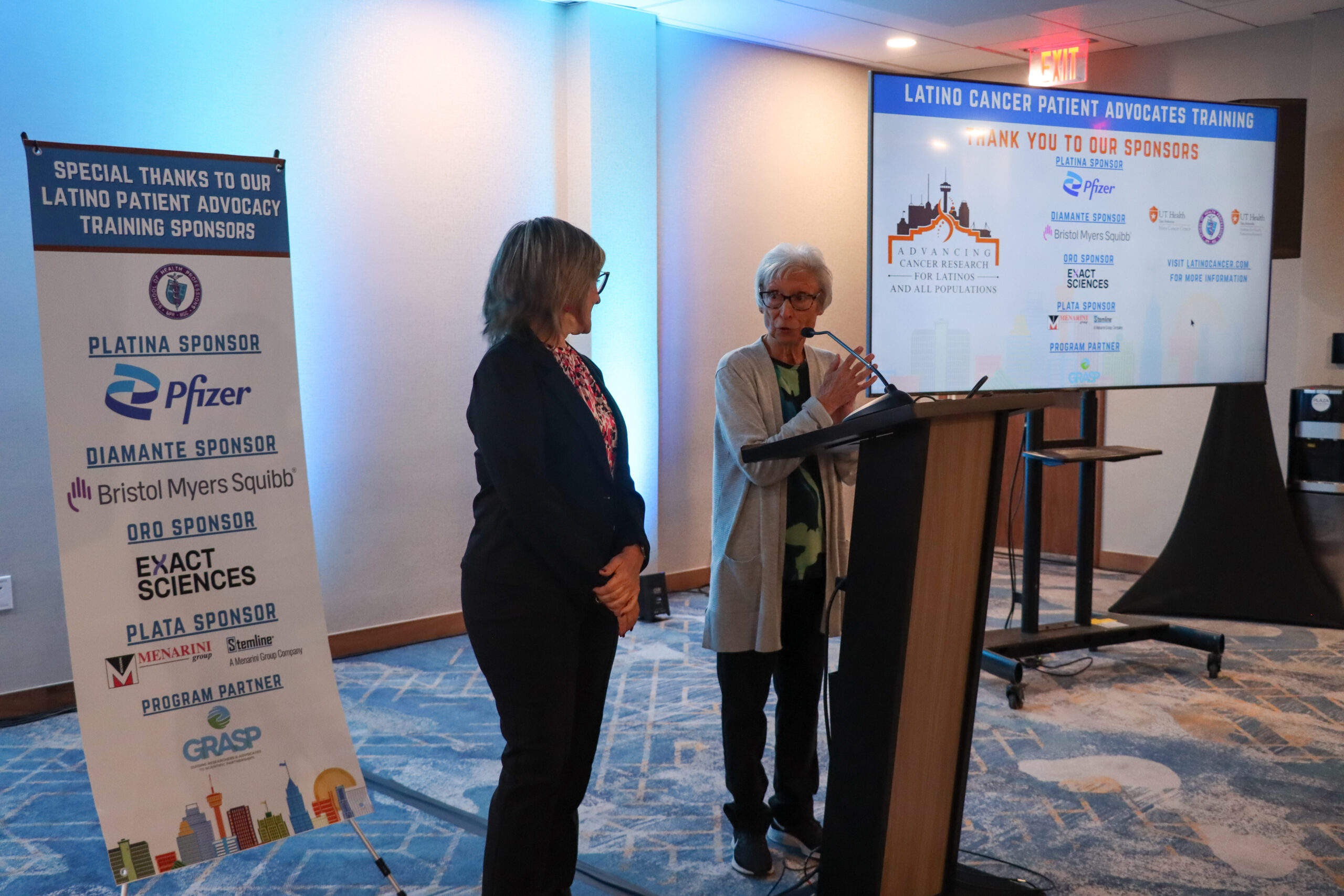
Program sponsors included Pfizer, Bristol Myers Squibb, Exact Sciences (is now Abbott), Menarini Group, and Stemline: A Menarini Group Company.
The program was made possible with support from the Institute for Health Promotion Research at UT Health San Antonio, the Mays Cancer Center at UT Health San Antonio, the School of Health Professions at the Medical Sciences Campus, University of Puerto Rico, and partner program, GRASP.
After the in-person training commenced, the trainees, speakers, and mentors were invited to attend the three-day 2026 ACRLP conference where they challenged their understanding of cancer care and expanded their knowledge.
What’s more, two trainees were invited to take part in the conference’s Research and Advocacy panel on Feb. 19, 2026.
During the breakout session, trainees Arnoldo Rodriguez, a lymphoma and prostate cancer survivor from the Rio Grande Valley in South Texas, and Karen Estrada, a leukemia survivor from Miami, Florida, shared their stories of survivorship.
After the conference, the trainees complete two more virtual sessions before officially graduating from the program.
Meet the New Latino Cancer Patient Leader Cohort
The path to patient leadership isn’t always an easy one.
But each participant of the second Latino Cancer Patient Advocate Training Program brings a wealth of lived experience that aid them in their journey and commitment to the cause.
- Carolina E. Uribe Abad, KS, Breast Cancer Survivor
- Monica Binciguerra, IL, Lung Cancer Survivor
- Deborah Blake-Ontiveros, UT, Breast Cancer Survivor
- Jackie Berrios Branch, OR, Breast Cancer Survivor
- Javier (JC) Cantu, TX, Caregiver
- Karen Estrada, FL, Leukemia Survivor
- Brooks Fuentes, OR, Breast Cancer Survivor
- Jose Adorno, OH, Lymphoma Survivor
- Melissa Gonzalez, FL, Endometrial Cancer Survivor
- Shirley Pacheco, CA, Breast Cancer Survivor
- Marco Perez, TX, Testicular Cancer Survivor
- Claudia Perez-Favela, CA, Cervical Cancer Survivor
- Arnoldo Rodriguez, TX, Lymphoma Survivor
- Tristana I. Vásquez Torres, PR, Colon Cancer Survivor
- Mignaliz “Nanny” Vega-Morales, Colon-Ovarian Cancer Survivor
Here’s what some trainees had to say about their motivation for becoming a cancer patient leader:
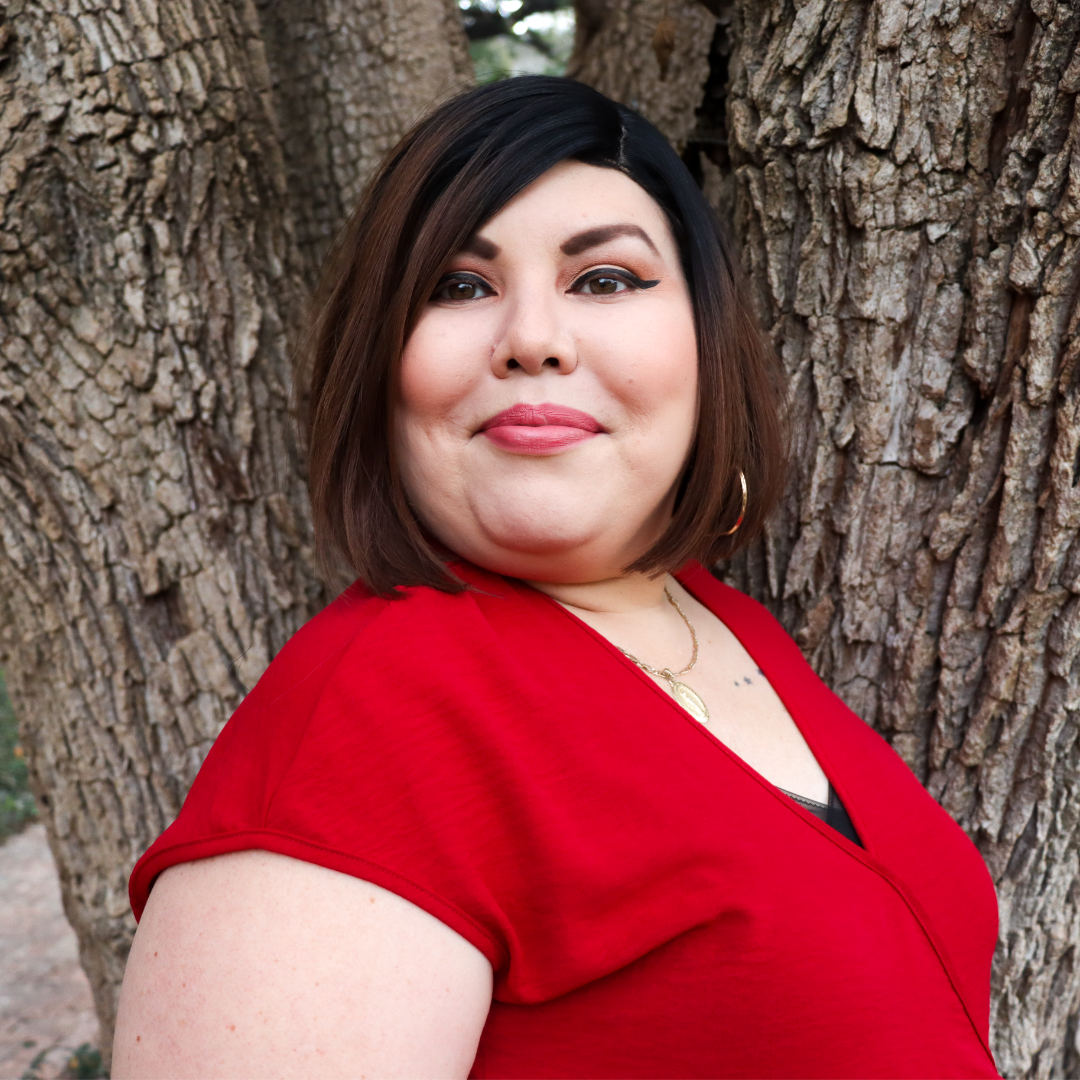
“What motivated me to become a patient [leader] was seeing the needs in our community that aren’t being filled. And it goes back to my own personal story of being misdiagnosed. I think that it’s important to have patient [leaders] so that pharmaceutical companies, doctors, and organizations can hear the patient’s actual experience and what they’re going through.”
-Deb Ontiveros, UT
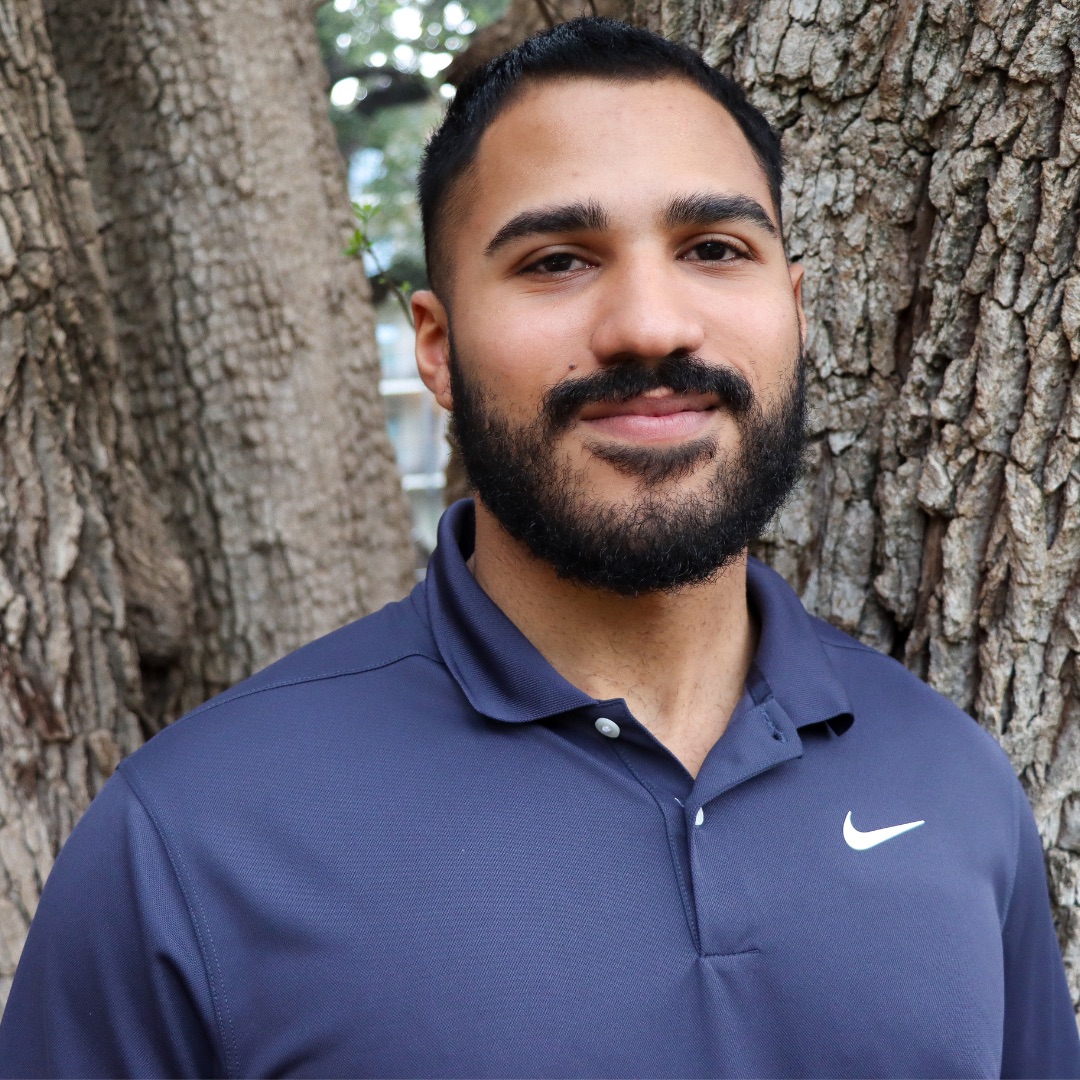
“[I became a patient leader] not only to be a voice, but to be there for people who might not be able to say it in their language or to hear things in their language.
-Jose Adorno, OH
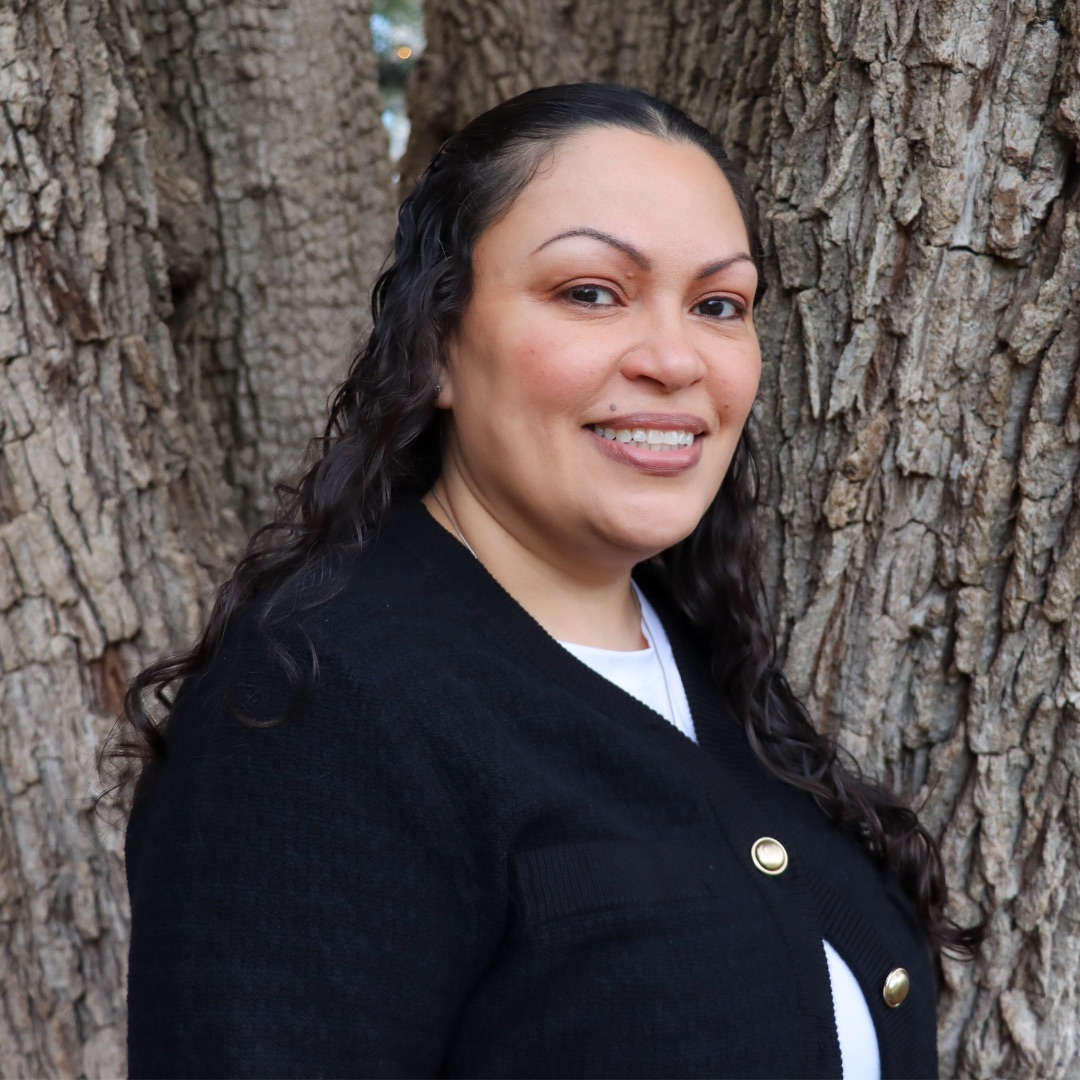
“Through my own experience, I want to help them give themselves a voice and speak up for themselves.”
Melissa Gonzalez, FL
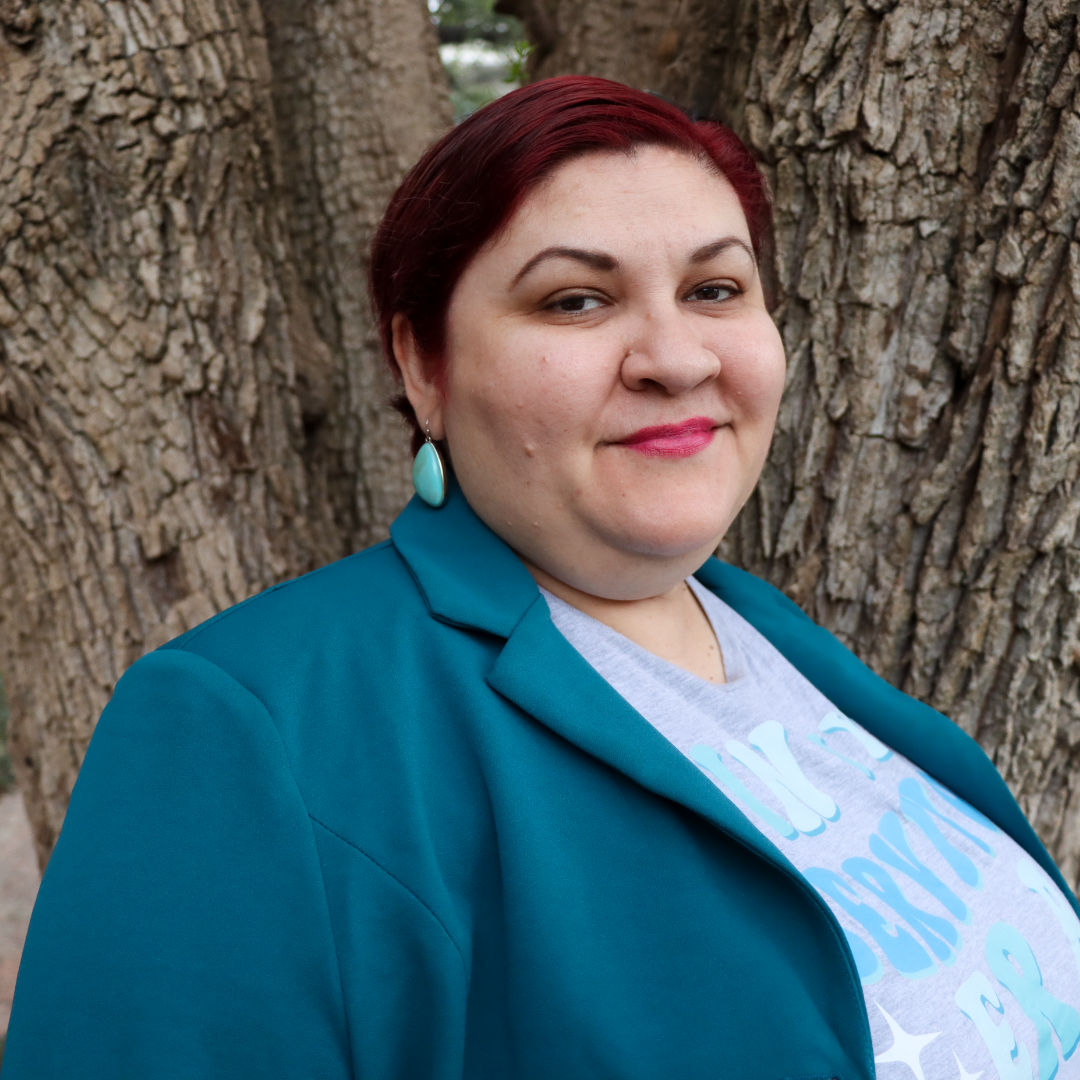
“My experience with the health system motivated me to be a patient [leader]. I don’t want more people like me to go through this without guidance or without knowing anything.”
-Claudia Perez-Favela, CA
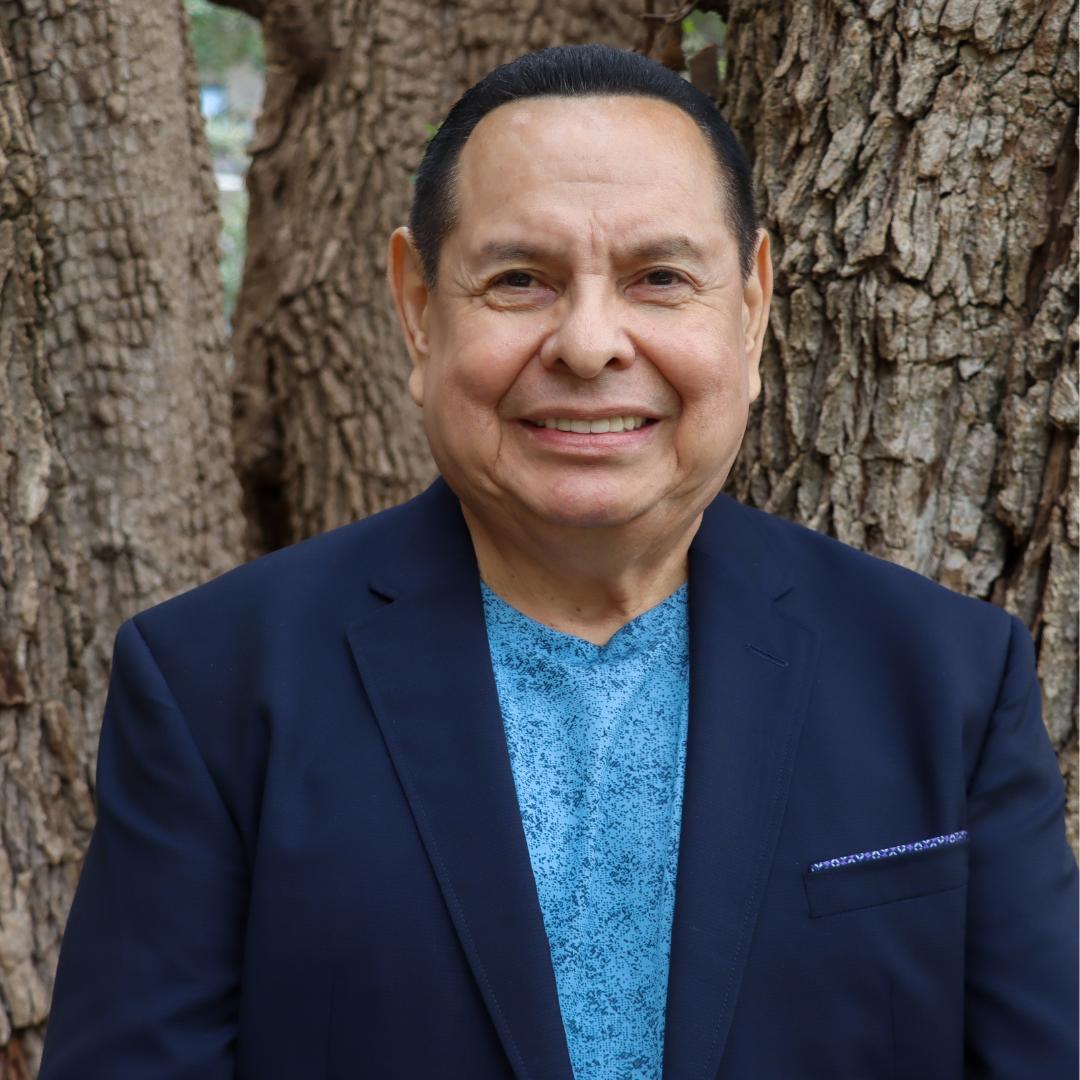
“As a cancer survivor who learned quite a bit about finding quality, research-based driven care, I felt that it was incumbent on me to help other cancer patients find the best possible cancer care for their particular type of cancer. In particular, those in my community, who don’t have access to insurance or because of language [hurdles], or not able to acquire the information on their own.”
-Arnoldo Rodriguez, TX

“It was my kids … I wanted to show them that we never give up and that our story matters.”
-Karen Estrada, FL
Advancing Cancer Research Through Patient Leadership
Cancer continues to be a top cause of death for Latinos and all people in the US.
That’s why cancer research is crucial in finding ways to treat and mitigate cancer symptoms.
But sometimes it’s easier said than done.
There is a critical gap in cancer care for Latinos and other overlooked populations, and a lot of that has to do with the lack of Latinos leading and participating in cancer research.
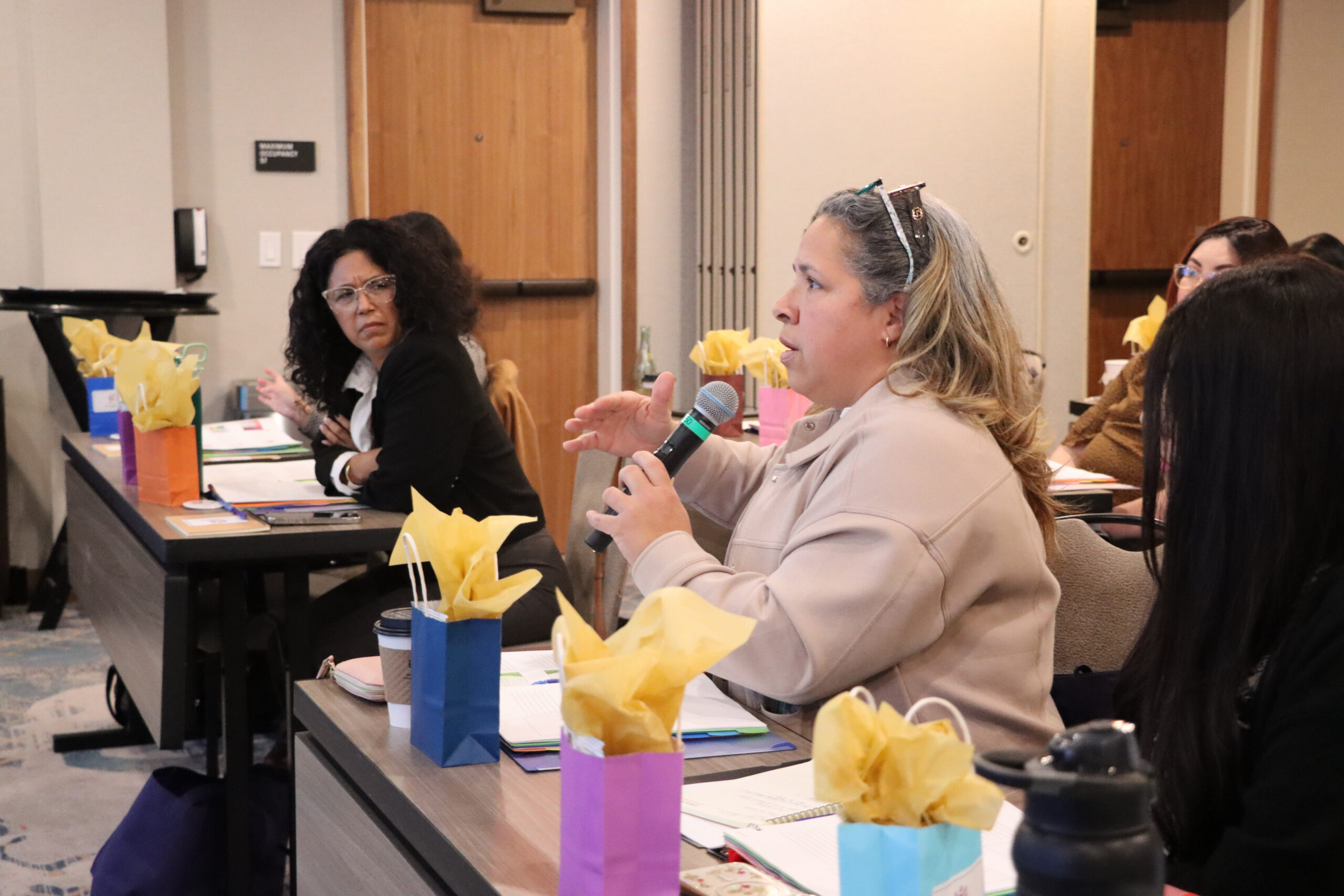
There are many ways to improve cancer research for Latinos and all populations.
Primarily, it’s about creating more opportunities for Latinos and all people to be part of stakeholder conversations and elevating the patient’s voice so that everyone can be part of research.
Armed with first-hand experience, patient leaders can bridge the gap between stakeholders and patients to make sure that research and science work the same for everyone and is accessible to all.
“The role and value of the patient [leader] is to bring that real life experience to help scientists and the world understand what patients go through. Just from the news [of the diagnosis] to the treatments to the side effects and having that voice and sharing that commitment of what works, what doesn’t, is very important,” said Segarra-Vazquez.
Building a Network of Latino Patient Leaders
What began as a way to give survivors the tools they needed to make an impact in research, has since transformed into a network of Latino patient leaders that are standing by to fill a seat at the decision-making table.
“What I really envision for this program is to have more voices, to have more [visibility], to have people that are encouraged enough to open their mouths to share their experience and the experience of their people,” Segarra-Vazquez explained.
“My long-term goal is to create a network of Latino [patient leaders] in different cancer areas … so that when [those involved in research] need a speaker or something, I say, ‘Oh, don’t worry we have [someone] … that they can start disseminating the voice and participating in different activities,” she added.
And that’s exactly what the first cohort is doing.
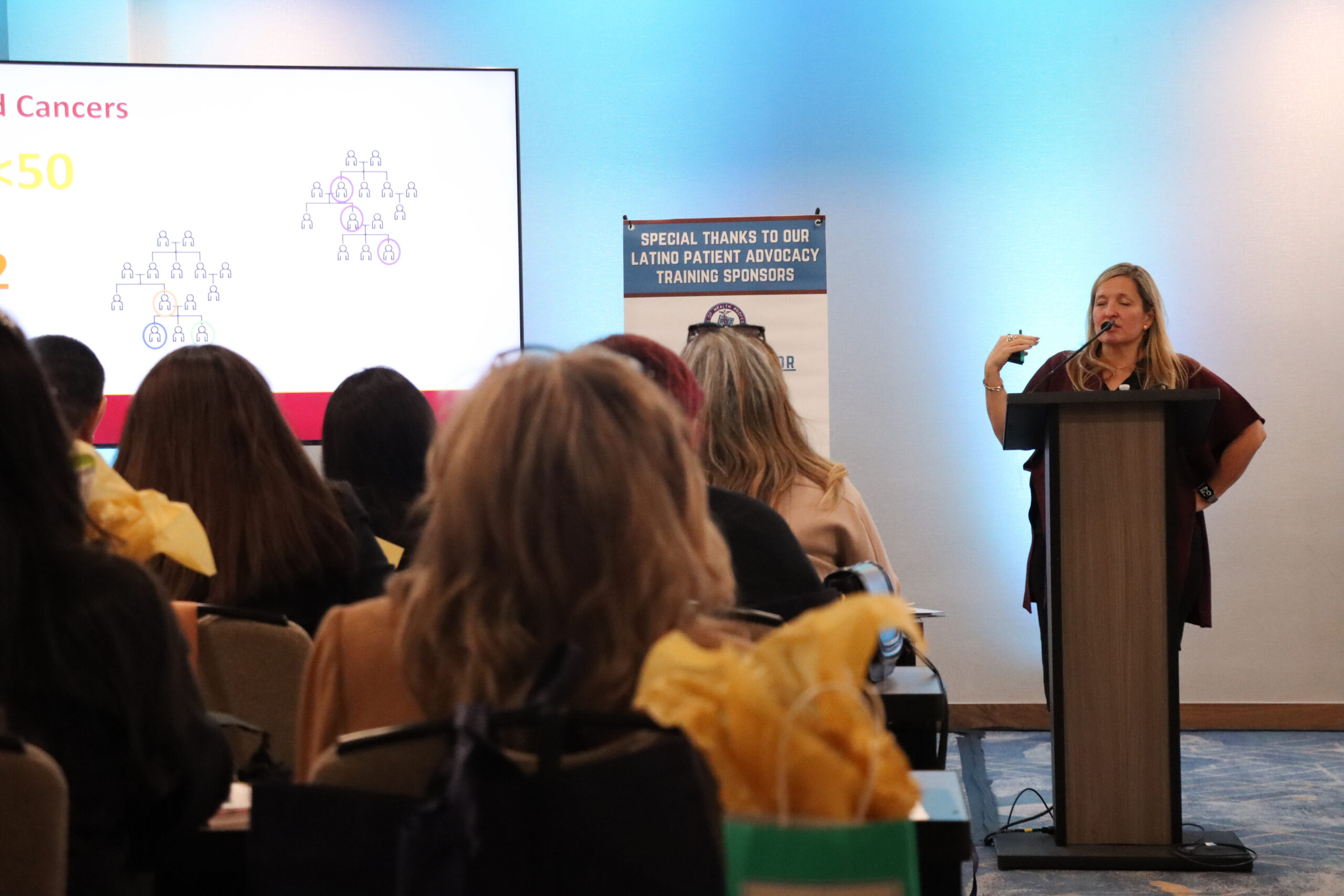
Many of these patient leaders are actively working with research institutions, pharmaceutical companies, cancer centers, doctors, and cancer organizations to share what they know to help the cancer community.
Some are working together with universities to improve research guidelines that directly impact Latinos. Others are working with pharmaceutical companies to develop bilingual materials and improve clinical trial participation.
Those who are working today as patient leaders credit their involvement in the Latino Cancer Patient Advocate Training Program as the reason for opportunities.
“The [Cancer Patient Advocate Training Program] completely has changed my life,” said Santos McLeod. “The moment that I left, it has never been the same in all the great ways. I was able to receive such important and valuable education and training from the [Program] that I’ve been able to kind of pick it up and just run with it.”
An inaugural program graduate, Santos McLeod has become the patient leader for gastrointestinal cancers at SWOG, which is a cancer research network initiative.
She also participated as a consumer reviewer for the FDA and Department of Defense and attended GRASP training. She served on several steering committees for pharma industry partners and acted as a Latina voice for the Cologuard launch for Exact Sciences.
And she is now serving as a mentor for the second cohort of advocate trainees.
Meanwhile, her fellow mentor, Andrea, leveraged the connections she made during the training and subsequent conference to become a community scientist for the University of Miami Sylvester Comprehensive Cancer Center. She also partnered with 305 Pink Pack to direct a Spanish-language survivorship symposium and is part of a national program with Fight Colorectal Cancer focused on patient engagement in clinical research.
“This training really expanded what I thought [patient leadership] could look like,” she said.
For more on how the training program transformed their work in patient leadership, tune in to the brand-new Salud Talks podcast airing soon.
Editor’s Note: Salud America! will continue to support the patient leaders in their mission to improve cancer research for all and follow their activities over time. New survivorship stories featuring members of the new cohort will continue to be published throughout the year.
Explore More:
Latino CancerBy The Numbers
25
years
of life expectancy between some U.S. cities.