 by
by 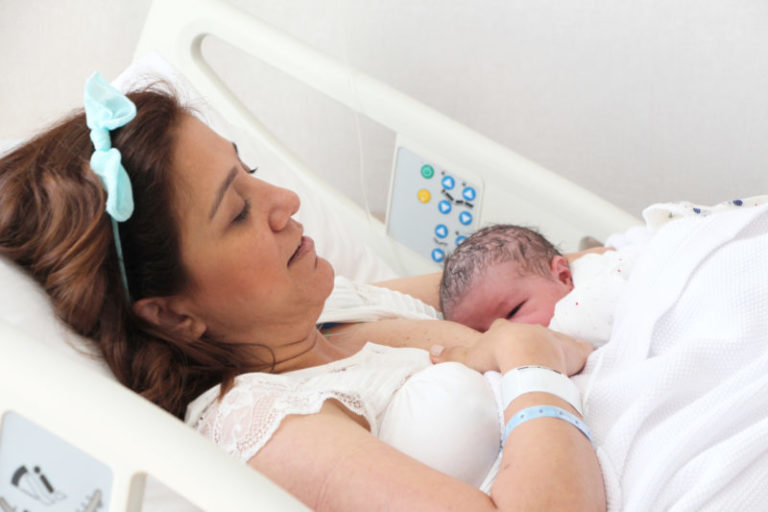
Share On Social!
Of the approximately four million babies born in the United States every year, only about 14 percent are born in Baby-Friendly hospitals,
The Baby-Friendly Hospital Initiative established 10 Steps to Successful Breastfeeding in 1989, which were endorsed by the American Academy of Pediatrics in 2009.
However, a recent study found that many hospitals still do not implement these 10 Steps.
Breastfeeding has numerous health benefits, including reduced childhood obesity, but many mothers face challenges to breastfeed. Maternal experiences during the birth hospitalization show that a hospital’s policies and practices affect a mother’s ability to establish and maintain breastfeeding.
In the six-year study, Maternity Practices in Infant Nutrition and Care, investigators compare hospitals’ maternity care policies and practices with recommended standards, and found that many hospitals are not implementing optimal breastfeeding friendly policies and practices.
For example, it is important to limit fluids other than breast milk because non-breast milk fluids have been negatively associated with mothers meeting their own breastfeeding intentions. Some women have high rates of not meeting their own breastfeeding intentions due to lack of hospital, workplace, and family support. Unfortunately, the percentage of hospitals that limited the provision of other fluids increased by less than six percent to just over one-quarter of hospitals.
It is critical for hospitals to adopt rules to ensure that the growing number of mothers have access to maternity care and practices supportive of breastfeeding.
Explore More:
Maternal & Child HealthBy The Numbers
20.7
percent
of Latino kids have obesity (compared to 11.7% of white kids)