COVID-19 has been a force in our lives for the last 10 months. At this point, we know the standard procedures for safety precautions, like wearing a mask, keeping physical distance, and avoiding crowded public spaces. We’ve even started administering a vaccine to healthcare workers and the elderly, with the FDA emergency-use authorization of the Pfizer-BioNTech vaccine this past weekend. But despite all this, the pandemic still isn’t over. COVID-19 cases are spiking in many areas across the country as people move events indoors due to colder weather and are travelling more for the holidays. Not to mention pandemic fatigue. Another big safety concern is using “system justification” to ignore safety precautions. This happens when people rationalize unsafe behaviors ...
COVID-19 isn't only disproportionately infecting and killing Latinos and causing job loss and stress. The pandemic is also hurting Latino-owned businesses. These businesses, which already face bias and racism when it comes to securing financing, have fewer resources to weather the ongoing storm of the pandemic, according to a report by the Stanford Latino Entrepreneurship Initiative. In fact, 41% of Black-owned businesses, 32% of Latino-owned businesses, and 17% of White-owned businesses across the country shut down between February and April, according to a recent study by the Federal Reserve Bank of New York, the CT Mirror reports. Thankfully, some new programs and initiatives aim to help businesses owned by Latinos and other people of color.
A $5 Billion Program to Support ...
Volunteering for Christmas and New Year’s helps other people and is proven to give the volunteer an emotional boost, too. So why not volunteer your “voice”? Speak up with these seven actions to promote health equity for Latino and all families this holiday season!
1. Share Messages to Slow the Spread of COVID-19
COVID-19 continues to disproportionately impact Latinos. As Latinos, we are resilient. But part of our resiliency requires action to slow the spread of COVID-19! That’s why Salud America! at UT Health San Antonio launched the “Juntos, We Can Stop COVID-19” digital communication campaign in English and Spanish to help Latino families and workers take action to slow the spread of coronavirus. The #JuntosStopCovid campaign features culturally relevant and ...
Latino children in Santa Barbara schools are disproportionately represented in special education classes, and often incorrectly, as per a new report from the California Department of Education. “Children from Latinx families are 3.43 times more likely to be identified as having learning disabilities than their white peers in the Santa Barbara Unified School District,” according to the Santa Barbara Independent. The state flagged the district for the “significant disproportionality.” This issue highlights the potential bias against and lack of resources for Latino students who are struggling in school, especially those from Spanish-speaking or immigrant households. It also emphasizes the need for school officials to ensure students are treated with equity, no matter ...
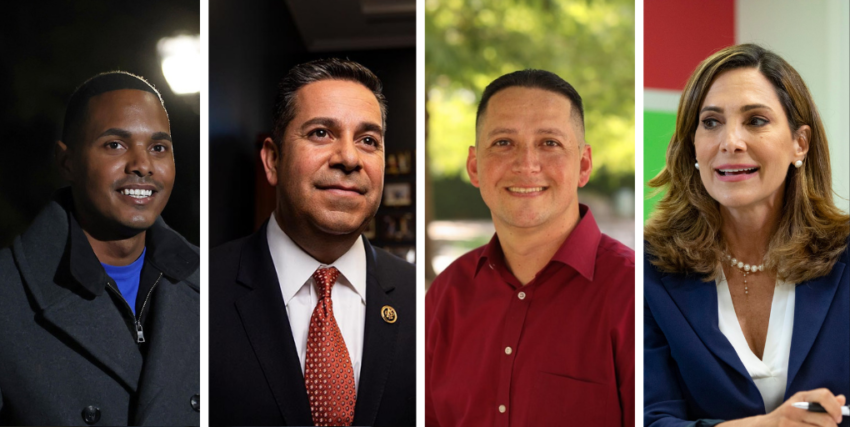
Though Latinos are the largest non-white demographic in the U.S., our federal government is disproportionally white. In early 2020, less than 10% of the U.S. House of Representatives were Latino, despite Latinos making up 18.5% of the population. Only 4 of 50 U.S. senators were Latino. But that’s starting to change. In the November 2020 election, voters elected more Latinos to Congress, both Republicans and Democrats. Although Latino representation in Congress still needs improvement, the election of these representatives signifies progress.
Which Latinos Were Elected?
Voters elected Latinos to both chambers of Congress. New Mexicans elected Democrat Ben Ray Luján to the Senate, making him the 5th Latino senator. He will join senators Bob Menendez (D-New ...
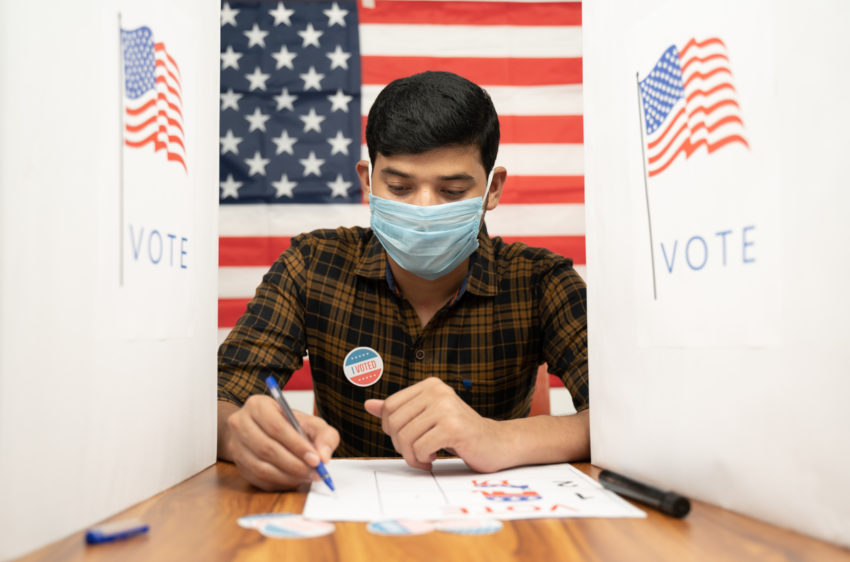
As Latinos became the largest racial/ethnic minority in the U.S., researchers expected them to have a larger turnout in the 2020 Election compared to previous years. They were right — 20.6 million Latinos voted this year, a 63% increase from the last presidential election. While Latino voter turnout usually ends up being less than half of eligible voters, 64% of eligible Latinos turned out to vote. The majority of Latinos voted for Joe Biden, but a growing number of Latinos voted for Donald Trump, surprising many Democrats and media outlets. As we reflect on the 2020 Election, we find several takeaways about the Latino voting bloc: Latino voters vary in gender and age, the number of Latino voters increases each election, and the diversity within the Latino community ...
Since the start of coronavirus’ spread throughout the country, Latinos have lacked the resources to battle against widespread rates of infection, death. Soon, that community will have a voice on President-Elect Joe Biden’s recently announced COVID-19 Taskforce, which includes two Latinos — Dr. Luciana Borio, former assistant FDA commissioner, and Dr. Robert Rodriguez, a professor of emergency medicine at UCSF School of Medicine. This kind of representation is critical to combat the horrific experiences Latinos and other people of color have experienced during this epidemic, especially as winter arrives, said Dr. Leana Wen, the former Baltimore health commissioner. “[Biden’s] work needs to begin right now. He needs to begin communicating the urgency of actions with the ...
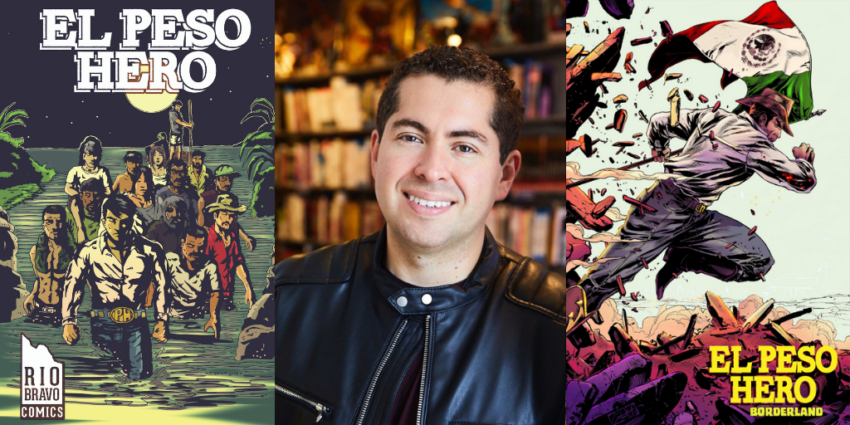
To his students, he’s Mr. Rodríguez. To his fans, he’s the creator and author of the comic book and graphic novel series El Peso Hero. When he noticed a need for more Latino representation in comic books and literature, Héctor Rodríguez launched his long-time project as a web series in 2011. El Peso Hero is a Latino superhero who fights corruption, drug trafficking, immigration, and other real-life social and racial justice issues happening on the Texas/Mexico border. Now almost 10 years later, Rodríguez has printed several comic books, produced a radio novella and short film, and is working on developing El Peso Hero into a Hollywood production. Rodríguez first found inspiration for El Peso Hero during his childhood on the Texas/Mexico border.
Inspiration on the ...
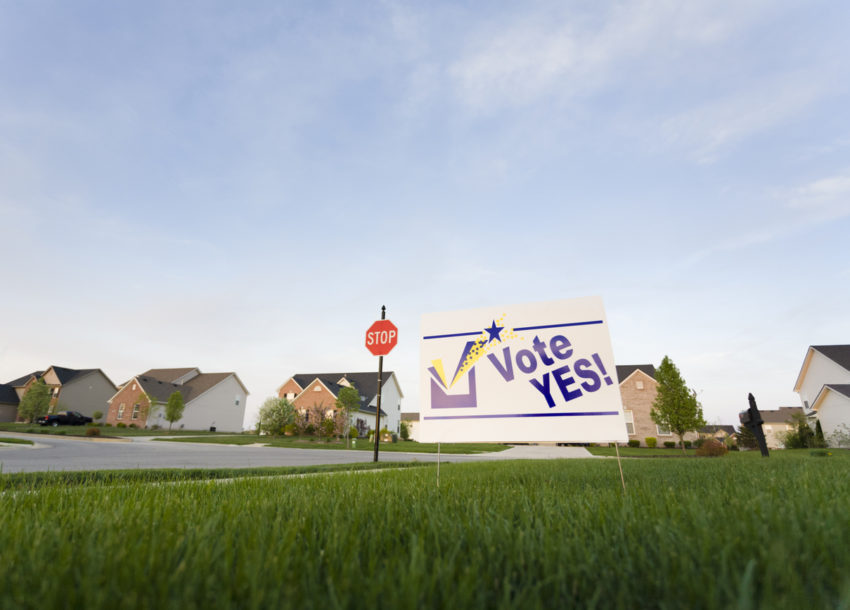
With the election of Joe Biden, we expect to see a lot of national policy and system changes under the new presidential administration next year. But, right now, lots of changes are already happening locally. That’s because, during the election on Nov. 3, 2020, voters in cities and states passed local propositions. These have wide-ranging implications for education, economic recovery, criminal justice reform, and more, especially for Latinos and other communities of color.
Education and the 2020 Election
Childhood education took a high priority in many cities. San Antonio, a predominately Latino city, was one of them. Voters approved a one-eighth-cent sales tax to continue funding Pre-K 4 SA, the city’s full-day public preschool program. “Pre-K 4 SA serves 2,000 ...