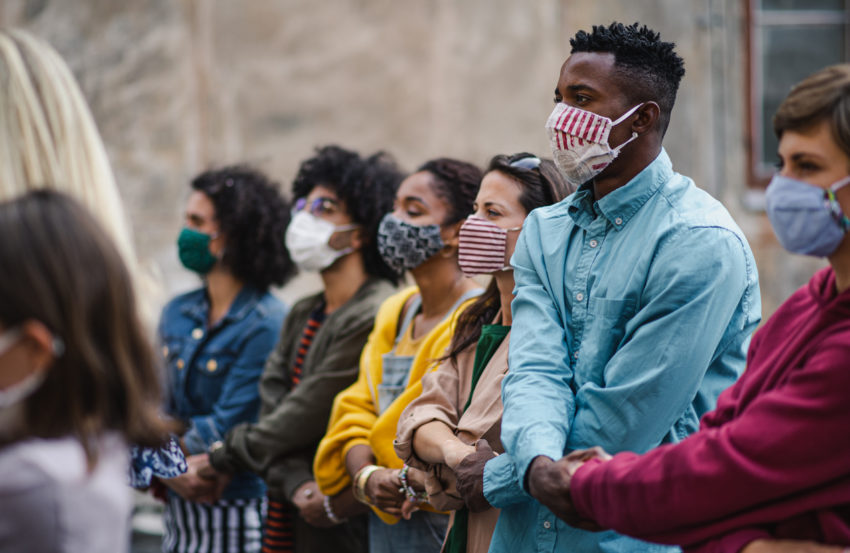
COVID-19 has devastated the Latino community since the start of the pandemic. As researchers gain more insight into the impact of COVID-19 over time, they’re finding Latinos continue to experience harsh impacts. In fact, a recent study from the CDC shows that Latinos and other communities of color experienced higher rates of COVID-19 hospitalization than their white peers. This is not just a symptom of COVID-19, but an issue of systemic injustice that needs dedicated action, according to CDC Director Dr. Rochelle Walensky. "[There is a] critical need and an important opportunity to address health equity as a core element in all of our public health efforts,” Walensky said Monday during a White House Covid-19 briefing. “These disparities were not caused by the pandemic, ...
We know that health is influenced by our families, environments, communities, and much more. Health inequities occur when barriers prevent some groups from receiving access to healthcare and other resources that positively impact health. Community power is an emerging method for marginalized communities to enact systemic changes that address social and health inequities.
What is Community Power?
Community power is people’s ability to create systemic change through a mutual agenda to achieve a larger goal. “Building power is particularly critical for communities working hard to thrive despite generations of systemic challenges, including low-income and communities of color being excluded from decision-making on the policies and practices that impact their health and ...
Financial literacy can help us understand wealth and the economic opportunities available to us. Latinos face many barriers to economic opportunity, like systemic and historic discrimination, generations of inequity and wealth gaps, and a lack of access to resources on financial literacy. One business is stepping up to help teach younger Latinos about financial literacy. SUMA Wealth, a financial services company focused on Latinos, announced a multi-platform financial education initiative called SUMA Academy to empower Latino youth to break generations of wealth inequity. “Empowering young Latinos with financial knowledge is the key to reducing the wealth gap,” said Beatríz Acevedo, CEO and co-founder of SUMA Wealth, according to a press release. “They share their learning with ...
With over 30 years of working in mental health and disparities research, Margarita Alegría is what you might call an expert in the field. Alegría is the Chief of the Disparities Research Unit at the Massachusetts General Hospital and a professor in Harvard Medical School’s departments of medicine and psychiatry. Last summer, she was named Harry G. Lehnert, Jr. and Lucille F. Cyr Lehnert Endowed MGH Research Institute Chair. Alegría has decades worth of experience in studying public health, mental health, substance abuse, and the social determinants of health. She’s conducted countless studies on how to improve the lives of ethnic and racial minority groups and people with disabilities. Now she wants to make her research more accessible to the general public. Alegría ...
Everyone should have a fair and just opportunity for the best possible health and well-being. That’s health equity. And that’s the mission of the Health Opportunity and Equity (HOPE) Initiative. The HOPE Initiative is led by the National Collaborative for Health Equity and Texas Health Institute in partnership with Virginia Commonwealth University’s Center on Society and Health. The Robert Wood Johnson Foundation provides funding. The HOPE Initiative tracks data on 27 indicators related to social and economic factors, community & safety, physical environment, access to healthcare, and health outcomes. “Our unique analyses use an opportunity framework to set aspirational but achievable goals to improve life outcomes—especially populations of color most affected ...
Have you ever wondered how your county compares to others in healthcare, education, and opportunities? County Health Rankings & Roadmaps is a program by the University of Wisconsin Population Health Institute and Robert Wood Johnson Foundation that measures health disparities in different counties based on local data to help improve health and quality of life. The 2021 update of the County Health Rankings reflect the inequities worsened by the COVID-19 pandemic and shines a brighter lens on racial equity and justice. “And while the Rankings do not measure COVID-19 risk, they do help to show the root causes that contribute to poor health. Creating conditions for everyone to thrive requires looking to multi-layered social, economic, and structural factors that run much longer ...
Art can convey a story or a message. So what if you could use art to spark a conversation about issues in your community? That’s the question that Bobby Marines asked himself when realizing he could use his talent to lead important conversations in the Latino community. To find the answer, Marines launched Voces y Visiones, a web series that features Marines’ art to lead a conversation about hot topic issues within the Latino community, with the help of the Southeast Minnesota Arts Council (SEMAC) and Alliance of Chicanos, Hispanics and Latin Americans (ACHLA). “The overall goal is to use arts as catalysts for social and community discourse,” Marines said.
From Eighth Grade Dropout to Successful Visual Artist
It took hitting rock bottom for Marines to find his ...
Latino parents are hopeful that their children will have more opportunities to succeed in life than they did, but recognize that inequities may limit them, according to a new study by the Robert Wood Johnson Foundation (RWJF). To create the Raising the Next Generation study, RWJF, together with the research firm PerryUndem, interviewed over 2,000 parents and caregivers (400 of which were Latino) on their perceptions of inequity and discrimination in the U.S. They also asked about optimism about the future and challenges their children might experience. The survey revealed many interesting findings about how Latino parents perceive inequities and how income and immigration affect their perceptions.
Findings from the Raising the Next Generation Study
When it comes to future ...
Latino parents are concerned about education for their children, their economic security, and racial justice when emerging from the COVID-19 pandemic, according to new data from a report conducted by Latino Decisions and Abriendo Puertas/Opening Doors. Parents also want government leaders to address these issues, the survey says. “The future of our country is inextricably linked to the wellbeing of Latino families. If we don’t act now, America will face a deeper economic depression, workforce instability, and soaring school drop-out rates,” according to the policy report. The report highlights the areas of concern and recommends policies that can address these issues.
About the Survey to Gauge Latino Parents’ Concerns amid COVID-19
Before COVID-19, many Latino families ...