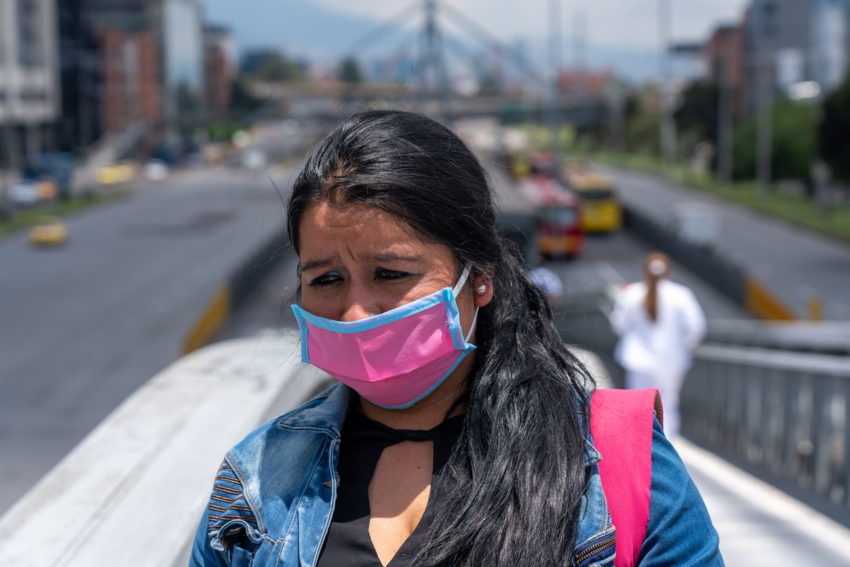
As the coronavirus continues to surge across the US, Latinos are also still enduring its worst impacts. While there was a notable lack of support from officials in Washington over the last year, many businesses, as well as their leaders, have stepped in to help those in need. Through charitable donations, some Latinos throughout the country are finally getting the assistance they deserve. This assistance has been a long time coming, according to San Francisco’s Latino Community Foundation (LCF) Vice President of Programs, Masha Chernyak — whose organization will pay forward a $2 million dollar donation to specifically provide support to Latinos. "We have taken that incredible American generosity and given it to a community that has been locked out of philanthropic resources," ...
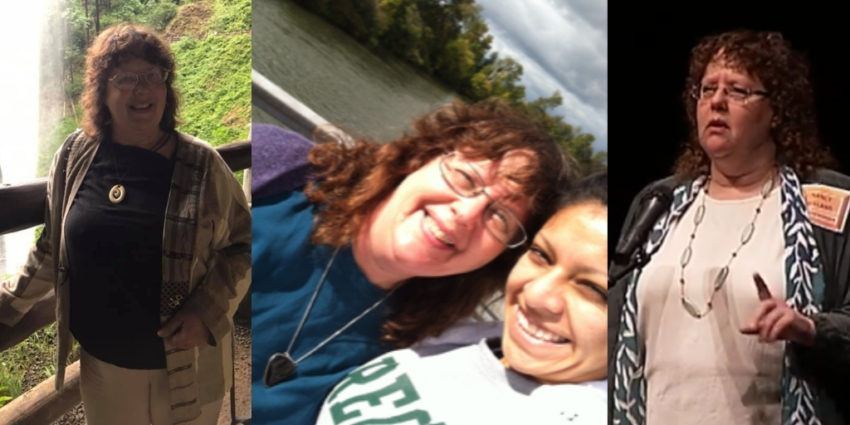
Nancy Willard knows that the way educators are taught to handle bullying isn’t working, especially when it comes to cyberbullying. That’s why she’s written several books on bullying prevention and digital safety, including the first book ever published on cyberbullying. Willard is a former attorney and special education teacher in Veneta, Oregon who has dedicated her career to empowering students and families to stand up to bullies. She also taught those empowerment skills to her adopted Guatemalan daughter. Now she wants to help schools build more culturally relevant anti-bullying programs, especially when the COVID-19 pandemic ends and more schools return to in-person learning.
A Background in Computer Law and Special Education
Before working on building student ...
President Joe Biden has vowed to completely reform how the U.S. handles immigration. In the first two weeks of his presidency, Biden has begun taking action to stop the border wall, family separation, support DACA recipients, reverse the public charge rule, and is planning further legislation to create an easier path to citizenship for immigrants. How does Biden’s immigration reform affect Latino immigrants? Let’s take a look at the different immigration policies Biden has in store. Update 3/10/21: Biden's administration stopped enforcing the public charge rule first enforced by Donald Trump's administration, according to CBS News. Update 7/22/21: The US Department of Health and Human Services (HHS) reaffirmed that the public charge rule is no longer in effect and ...
Kendra Gage starts off all her new classes addressing one obvious fact: she’s white. That’s because Gage is a professor at the University of Nevada, Las Vegas (UNLV) who teaches African American studies, focusing on the Civil Rights Movement and addressing racism in modern America. Gage believes in addressing her whiteness because she wants students to be aware of implicit bias─ stereotypes that affect our understanding and decisions about others beyond our conscious control─in the classroom. She feels it’s her role as an educator to highlight her own implicit bias and allow students to question their own biases. “My very first lecture in class, I say, ‘This is who I am. I am white.’ I mean, I can't hide behind that, so I do address it,” Gage said. That is ...
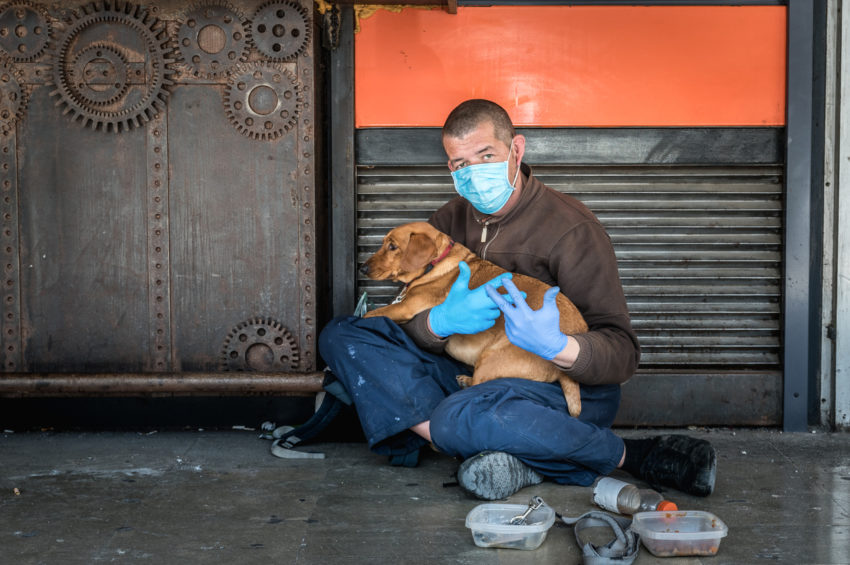
The COVID-19 pandemic has highlighted many of the disparities impacting communities of color. Not only has COVID-19 led to a disproportionate number of deaths and severe illness among Latinos, but it has also contributed to financial struggles, homelessness, and students falling behind in school. These disparities are linked with discrimination and impact Latinos throughout their lives, according to a Salud America! research review. But despite the evidence, many Americans don’t see systemic racism as the cause of the inequity. A survey by the RAND Corporation and Robert Wood Johnson Foundation (RWJF) found that only 42% of respondents think that systemic racism is one of the main reasons people of color face health inequities. The majority does not believe or feel neutral ...
Many people think they harbor no bias toward other people. Or they believe they know their biases and don’t act on them. But everyone has implicit bias. Implicit biases are stereotypes that affect our actions and decisions about others, beyond our conscious control. Fortunately, these biases also can be “rewired” toward more compassion for others. Download the free Salud America! Action Pack “Find Out If You Have Implicit Bias and What to Do Next.” This Action Pack will help you see if you have implicit bias, learn from others who have overcome their own implicit bias, and also encourage others to learn about implicit bias, too. GET THE ACTION PACK! Dr. Amelie G. Ramirez, director of Salud America! at UT Health San Antonio, created this Action Pack. With the ...
More than 40% of Latino and Black resident physicians experience racial discrimination and bias from the patients they serve, according to a study published in JAMA Network Open. The experiences range from explicit racial epithets to a patient’s refusal of care. And on top of that, most physicians (84%) do not report the incidents to their leadership. “To address the issue of biased patient behavior, interventions are needed at the institutional and interpersonal levels,” according to researchers Shalila de Bourmont, Arun Burra, Sarah Nouri, et al. Racial discrimination and implicit bias must be addressed.
What the JAMA Study Showed about Bias and Discrimination
The study conducted by de Bourmont, Burra, Nouri et al. surveyed 232 internal medicine residents from three ...
Immigration is difficult and often traumatic. People who immigrate to the U.S. often face a dangerous journey only to be met with aggression and xenophobia at the border. It can lead to loss of hope, anxiety, depression, and even suicide. Cheryl Aguilar wants to help families experiencing the trauma of immigration and adjusting to new life in the U.S. Aguilar immigrated from Honduras as a teenager, an experience that helped guide her to give back to immigrant communities. Aguilar is a clinical social worker and founding director and therapist at the Hope Center for Wellness. “As a therapist, one of the things that I do is help individuals, families, and communities heal from whatever distress, trauma, or experiences they might have encountered. I believe in holistic healing, ...
Wendy Mateo-Pascual is passionate about helping Latino immigrants. She understands how difficult it is to move to a new country and adapt to the culture, because she herself is an immigrant from the Dominican Republic. Over the last two decades, Wendy Mateo-Pascual has worked in the Charlotte, N.C., area by leading several organizations and committees all with the goal of promoting equity and strengthening the Latino voice in her community. In October 2020, Mateo-Pascual was awarded the Dogwood Award, a prestigious award presented by North Carolina’s Attorney General to North Carolinians who are “dedicated to keeping people safe, healthy, and happy in their communities.” Much of Mateo-Pascual’s work centers around getting Latinos involved in civics and politics. Even ...