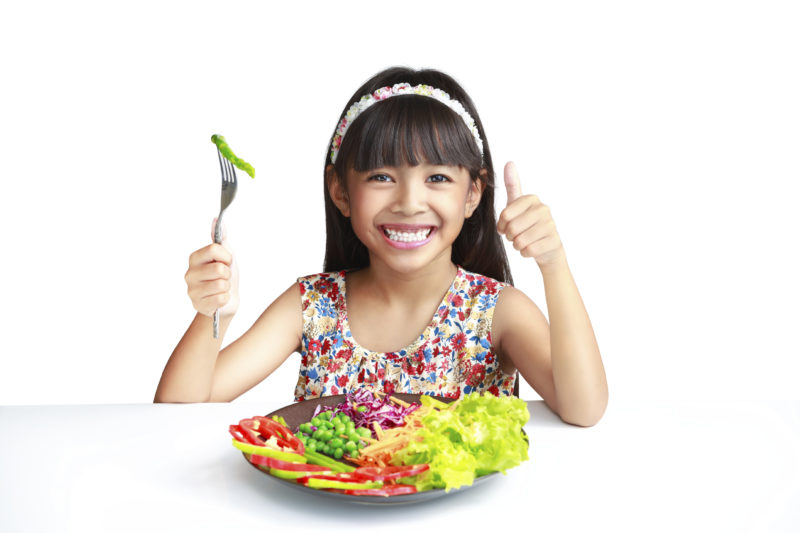
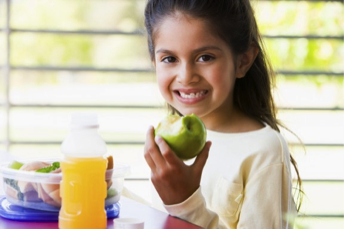
The PEW Charitable Trusts is encouraging parents to eat with their kids during September and bring awareness to healthy eating during National Childhood Obesity Awareness Month. Here are some tips to help students know their parents, grandparents or family members support them in healthy eating. Make a date! Enjoy lunch with your child to see exactly what is offered in school meals and show support to school staff and students who are making healthy meal choices. This can help support mindful eating as well, giving students a warm supportive environment for healthy food choices.
School meal for dinner? Yes, that's right! Ask your school nutrition director for a recipe your child might like and make it at home for dinner. This gives children a way to get involved and parents a ...
The Parent Teachers Association (PTA) has geared up to help ensure that students have access to and participate in nutritious school meals. Laura Bay, president of the National PTA explained in a press release that students learn better when they eat better, and a strong school meal program can help children receive more than half of their daily nutrient needs. The PTA plans to award over $60,000 in grants to schools and PTAs across the country. Three schools will receive $5000 each, and another 25 PTAs in Alexandria, VA will receive grants of $2000 each. A collaboration between The Pew Charitable Trusts and the Robert Wood Johnson Foundation created the Kid's Safe and Healthful Food Project which helps fund in part The Healthy School Meals grants. The PTA also plans to help ...
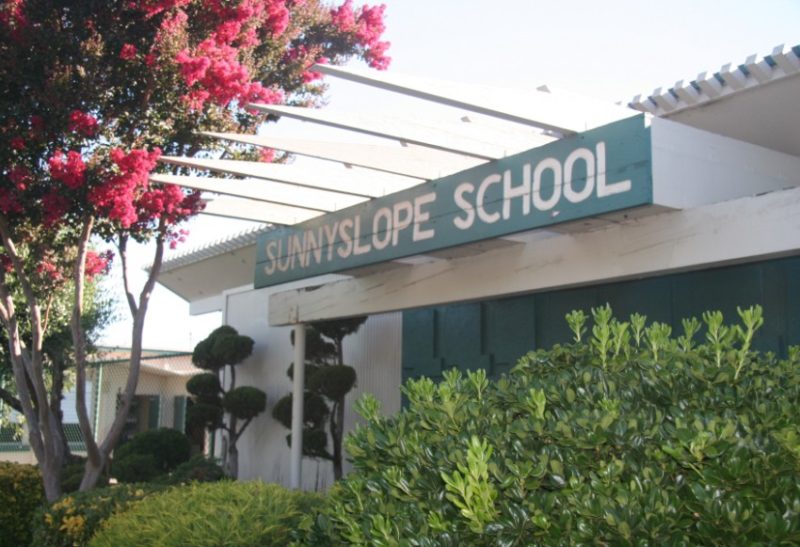
Students in the Sunnyslope school in Hollister School District within Hollister, Calif. (65% Latino) were introduced to a fresh school salad bar yesterday as a new partnership blossomed. Sunnyslope school the Hollister School District will now get to enjoy fresh local grown produce from the Grower-Shipper Association Foundation as a partnership between the district and the Grower-Shipper's Foundation are working together to fight against childhood obesity in the school environment through giving more kids access to fresh vegetables in local schools. "It is an amazing sight to not only see the students excited about salad but also enjoying it as a healthy lunch option," Joe Rivas, Sunnyslope's principal told local news source BenitoLink. It's true, Latino-majority schools often ...
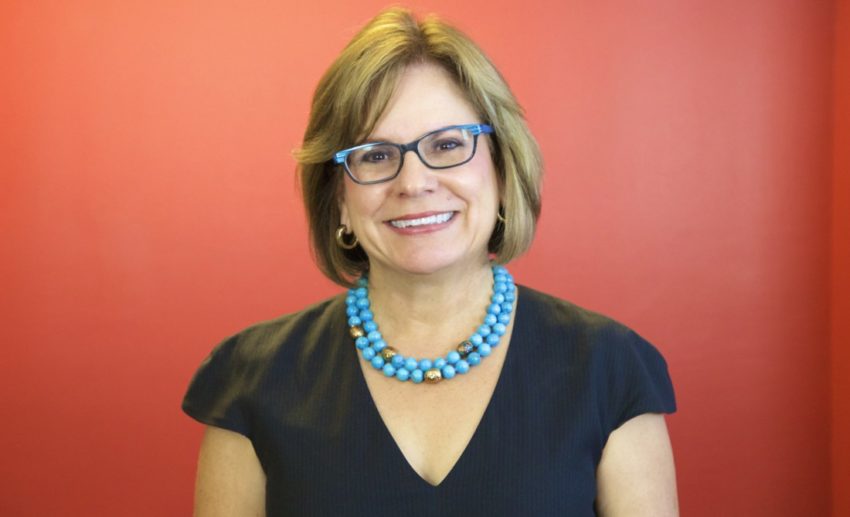
Dr. Amelie G. Ramirez, an internationally recognized expert in health disparities research, has received the American Association for Cancer Research (AACR) Distinguished Lecture on the Science of Cancer Health Disparities award. The award, sponsored by Susan G. Komen, honors an investigator with a far-reaching impact on the etiology, detection, diagnosis, treatment or prevention of cancer health disparities. Ramirez is the leader of Salud America! at UT Health San Antonio. Ramirez has more than 30 years of experience developing robust health communication models, research interventions, community outreach, public and scientific speaking engagements, and training of young minds. Her studies and programs have contributed to reduced cancer and disease among Latinos, including ...
Despite the number of American living in poverty having fallen by over 3.5 million in 2015, there are still more than 43 million struggling to overcome financial hardships. The metro area in which poverty rate is the highest is heavily Latino populated Brownsville-Harlingen, Texas (89.9% Latino population). Nearly 33% of the area’s 245,000 live below the poverty line, 24/7 Wall St. reports. South Texas accounted for the top three cities on the list. Reviewing data from the U.S. Census Bureau to determine which cities had the highest poverty rates, a list of 56 was created. The cities were chosen based on the basis of their being more than one in five residents living in poverty. In order to reduce health disparities, it is critical to address inequities in programs, ...
Bilingual efforts in educating students about the benefits of living a healthy life are changing Colorado (21.3% Latino) charter schools statewide. The Colorado Health Foundation joined up with the Colorado League of Charter Schools to focus on health and wellness in schools. The way the program works is allowing nearby charter schools to collaborate with each other and create "pods" that are more sustainable, Rainey Wikstrom explained to Watchdog. Working in school wellness since 2004, Wikstrom has since then been a leader in increasing healthier school food, physical activity and teacher training for schools in the area. The program creates these hubs of health, allowing up to three charter schools to write a grant together, collaborate with each other and see what models ...
In the rural areas of the western United States, a growing population is becoming more and more vulnerable due to an increasing lack of quality healthcare. The elderly, disabled, and uninsured (Latinos represent the largest uninsured population in the U.S.) in these areas are facing a growing crisis. These individuals are farther from healthcare and are often more vulnerable during emergencies, such as heart attacks, severe lacerations, or strokes, reported High Country News.
// Delta County in western Colorado (14.45% Latino population) is an example cited of an area with serious problems. Since 2010, the number of residents aged 65 or older has jumped 19%; however the patient-to-doctor ratio is more than 1,300 to one. In extreme examples, some Western counties have had their ...
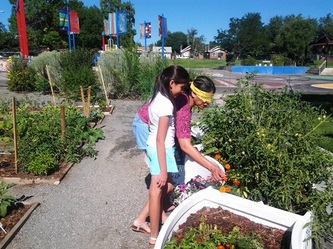
If you had grown vegetables as a kid, you might be more likely to eat your greens, reports a new study. The study put on by researchers from the University of Florida interviewed over 1,300 students and found that 30% of those who gardened as a child ate 2.9 cups of fruits and vegetables a day versus those who only may have watched parents garden, eating 2.4 cups of fruits and vegetables per day. "Hands on experience seems to matter," Anne Mathews, UF/IFAS assistant professor told Newswise. Other studies show that Latino kids are more likely to be advertised unhealthy foods and have access to unhealthy fast food and tobacco outlets within walking distance of their schools. Farm-to-school, school gardens, and agriculture or STEM farming in schools may help increase more ...
All kids deserve to have a variety of healthy snack and school food options throughout the day, as most students eat almost more than half of their daily calories at school, but many majority Latino- schools often don't offer as many healthy fresh fruit and vegetables or salads, reports a study from the Center for Disease Control and Prevention. However, a new legislation within Sacramento, Calif. schools (22.7% Latino) is opening the door for schools to sell a larger selection of healthy snacks that will follow current nutritional standards. The 2016 nutritional standards ensure school snacks must be at or under 200 calories, have no trans fats, have less than 35% weight from total sugars, can be made with whole grains and are limited to less than 230 mg of sodium. Some of ...