by
by 
Share On Social!
November is National Family Caregivers Month (NFCM)!
NFCM is an opportunity to recognize family caregivers across the country and “raise awareness of caregiving issues, educate communities, and increase support for caregivers,” according to the Administration for Community Living.
“Being a caregiver can bring joy and purpose, but it can also lead to stress, exhaustion, and worry about mental health for both you and your loved one,” according to Mental Health America.
With this in mind, we’ve compiled a list of where tools and resources for family caregivers can be found.
Latinos and Caregiving
“Family caregivers include parents, friends, neighbors, and even children, and they span across
all ages, races and ethnicities, incomes, and communities,” according to 2025 Caregiving in the U.S Research Report.
63 million American adults provided ongoing care to adults or children with a medical condition or disability in 2025, stated the report by AARP and the National Alliance for Caregiving.
Latinos make up 16% of total family caregivers in the United States.
While many are providing care for their family members, it can be difficult to juggle other priorities and outside factors.
“Family caregivers work long hours and are often unpaid for their time spent supporting loved ones,” according to a Place for Mom. “Many of these caregivers also have full-time jobs and other responsibilities, like raising children, volunteering, and doing housework and chores.”
Other challenges for caregivers can include:
- Time management
- Emotional and physical stress
- Financial strain
- Depression and isolation
- Sleep deprivation
- Being afraid to ask for help
Many Latinos are also considered “sandwich generation” caregivers, this means that they care for an aging parent and at least one child.
With these challenges looming over family caregivers, it’s important for them to have helpful tools and resources for support.
Mental Health America’s Caregiver Resources
Being a family caregiver can be difficult for one’s mental health, especially when a caregiver has another job.
Mental Health America has provided a list of tips to help with talking to employers about mental health and emotional well-being.
This includes topics like workplace accommodations and paid time off, resources to help employers understand more about caregiving, among other subjects.
“This can reduce your anxiety about how the conversation will go. Remember that you don’t need to tell your employer everything about a situation for them to understand that something in your personal life is affecting you in other areas,” according to Mental Health America.
Making the transition into a caregiver can be overwhelming.
Mental Health America also has created a Guide for New Mental Health Caregivers, which includes resources for caregivers to browse, including information on legal caregivers, insurance and paying for care, best practices, and, of course, mental health resources.
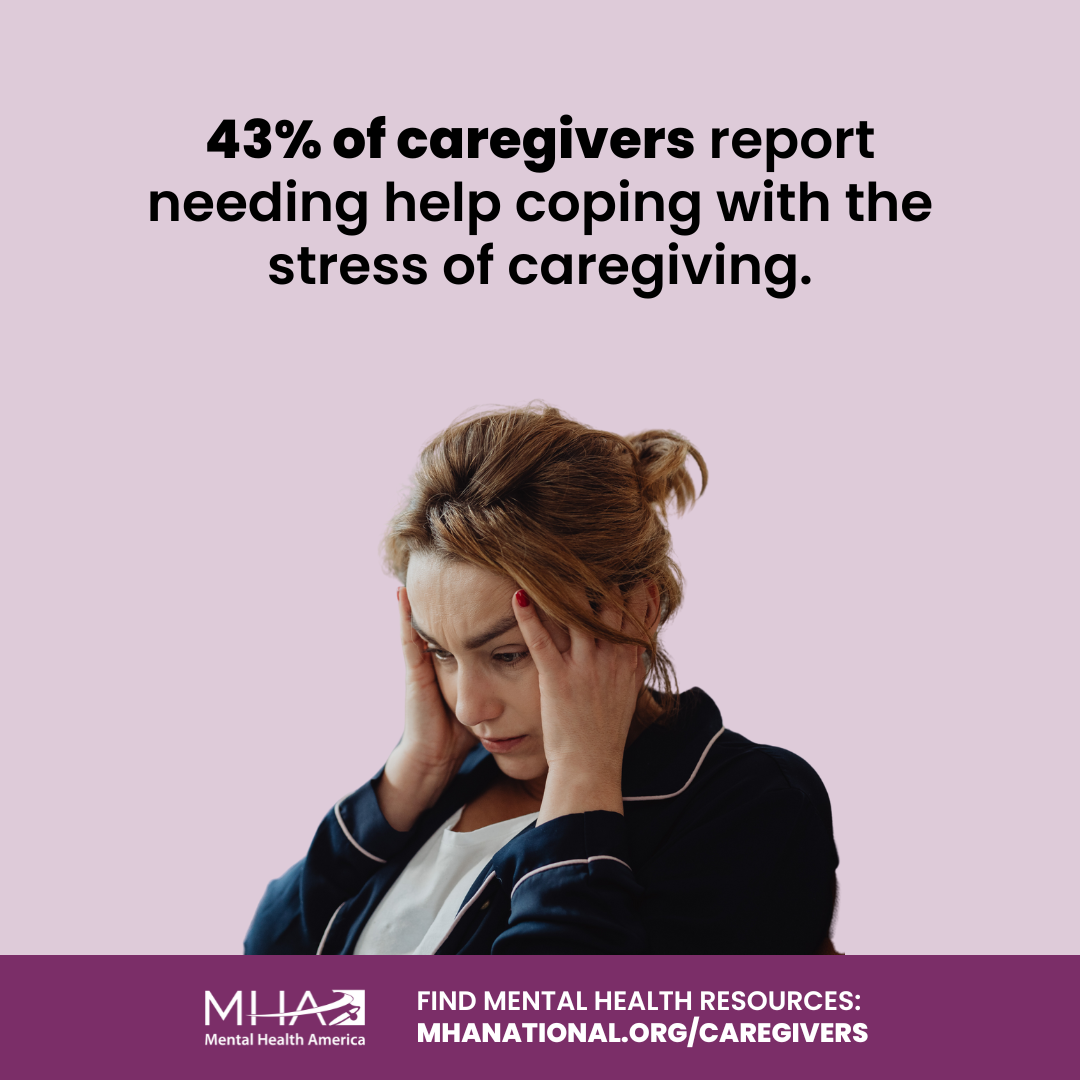
38% of caregivers say they have high levels of emotional stress, according to Mental Health America.
The Caregiver Mental Health Resource Center also contains tools for a variety of mental health challenges that individuals might experience while caregiving like crisis planning for caregivers and resources for parents.
Resources for South Texas Alzheimer’s Caregivers
Of the millions of caregivers that provide unpaid care for people with Alzheimer’s or other dementias, of those caregivers, about 25% are Latino.
In Texas, Latinos make up 40.2% of the population, making them the largest share of the state’s population.
Are you a caregiver living in San Antonio or surrounding areas?
Learn more about caregiver programs and resources in the area including the Caring for the Caregiver program at UT Health San Antonio that provides support groups, workshops, and events among other helpful resources.
The AARP website also contains a section specifically for family caregivers in Texas and provides a guide that financial, health, and general resources among others.
Find a full list of San Antonio and other South Texas caregiver resources here.
Volunteer for a Clinical Trial for Your Familia!
Cancer and Alzheimer’s hurt many of our abuelos, moms, dads, and others we love.
Clinical trials help us fight for our familia.
Clinical trials are studies that help researchers learn more to help slow, manage, and treat Alzheimer’s and cancer for current and future family members. But without volunteers for clinical trials, the benefits may miss this group.
Visit our clinical trials page to find a clinical trial, read about hero volunteers, and more!
“Volunteers in clinical trials are not only helping themselves, but they’re also building a future with better treatments that can help their families in the future,” said Dr. Amelie Ramirez, director of Salud America! and the Institute for Health Promotion Research at UT Health San Antonio.
Those looking for opportunities based in San Antonio can search the Mays Cancer Center at UT Health San Antonio’s Find a Clinical Trial database to learn more about available clinical trials and eligibility requirements.
On a national level, visit clinicaltrials.gov to find a clinical trial near you.
By The Numbers
142
Percent
Expected rise in Latino cancer cases in coming years