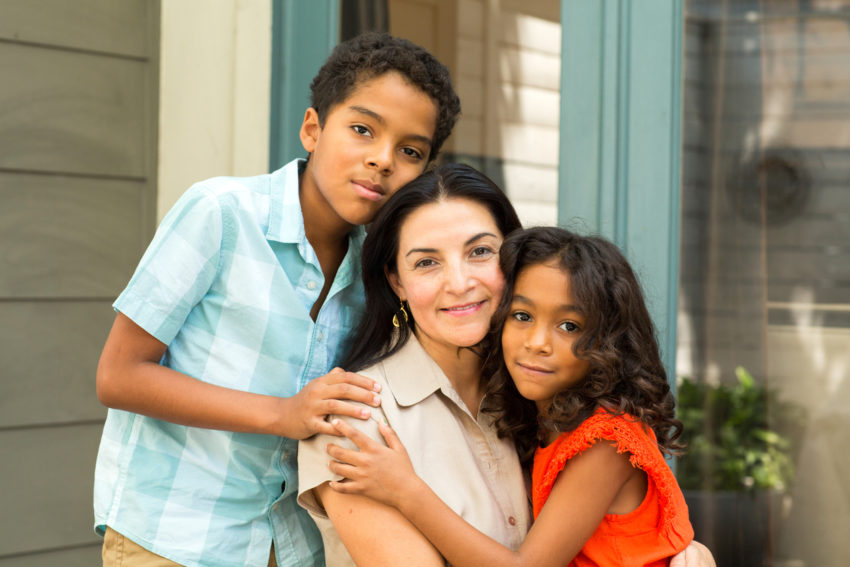
Many Latino families don’t have access to healthy, nutritious foods. To put food on the table, they rely on government food aid programs, such as the Supplemental Nutrition Assistance Program (SNAP) and Special Supplemental Nutrition Program for Women, Infants and Children (WIC). SNAP and WIC can improve diets and help raise people out of poverty. But many people of color don’t participate, even if eligible. Now two congresswomen of color — Reps. Jahana Hayes and Jenniffer González-Colón — introduced the WIC for Kids Act to eliminate barriers to enrollment for millions of pregnant women, mothers, and children, improve child and maternal health, and increase food access. “I introduced the WIC for Kids Act of 2021 to make it less burdensome on families to enroll ...
Extremely harmful toxins, per- and polyfluoroalkyl substances (PFAS), contaminate water supplies, products, food packaging, and other everyday sources. It's why some national legislators want to pass a bill to designate these chemicals as hazardous substances. This designation would then begin action toward federal cleanup standards. This is a critical issue, especially for marginalized communities that face exposure to PFAS, according to Energy and Commerce Chairman Frank Pallone (D-N.J.). “PFAS contamination is a pressing issue for countless communities, and while the EPA under President Biden is working hard to address the issue, it is still playing catch up after four years of inaction,” he said during opening remarks in the committee hearing.
The PFAS Action Act of 2021 ...
After a federal moratorium on evictions put in place by the CDC last fall expired on July 31, 2021, the CDC has issued a new two-month moratorium through Oct. 3, 2021. This new moratorium will extend protections for the millions of families behind on rent due to the economic fallout of the pandemic, particularly Latino and Black families, who have been hit the hardest. Update 11/15/21: The Supreme Court ruled on August 26 to end the temporary stay on a lower court ruling seeking to overturn the CDC's federal eviction moratorium. "In doing so, the Supreme Court’s ruling invalidates the federal eviction moratorium, eliminating vital eviction protections that have kept millions of households – predominantly people of color – stably housed," according to the National Low Income ...
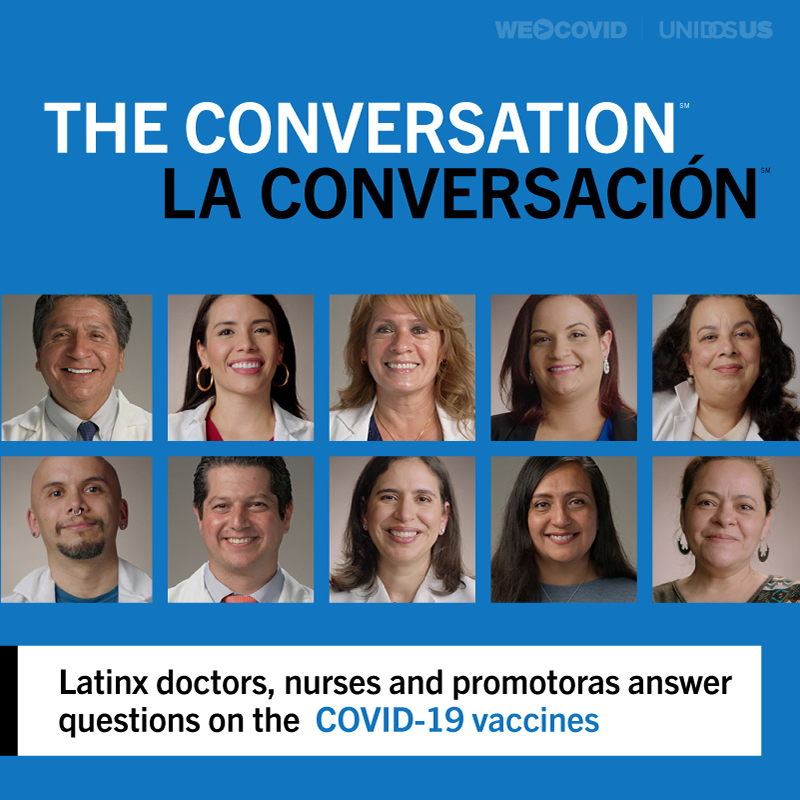
Latinos are getting vaccinated for the COVID-19 vaccine at much lower rates than other groups. This mainly due to a lack of vaccine confidence and abundance of misinformation that is targeting Latinos, who have been disproportionately affected by COVID-19. That’s why Greater than COVID partnered with UnidosUS to launch a new bilingual video series, THE CONVERSATION / LA CONVERSACIÓN, to combat vaccine misinformation. By interviewing Latino healthcare workers who answer big questions, the series aims to promote vaccine confidence and urge Latinos to get vaccinated. “This is our chance to protect ourselves, those we love and our communities so we can start to heal,” said Dr. Ana G. Cepin, a doctor in the video series.
About the Video Series
THE CONVERSATION / LA ...
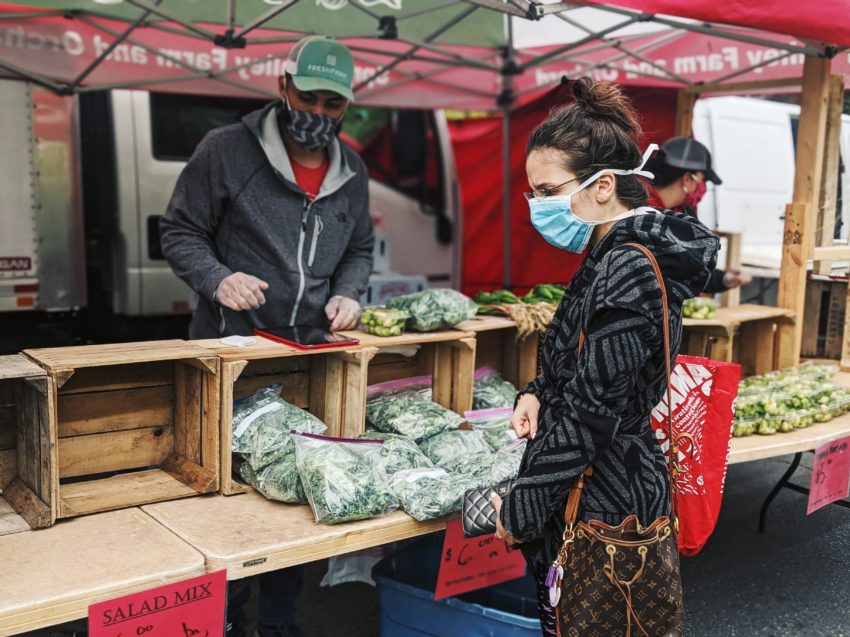
Does your town have a farmers market? Farmers markets are a path to healthy food access. They are especially important now as the pandemic worsens food insecurity. Fortunately, the Farmers Market Coalition is stepping up to support farmers markets. They’re pushing for federal aid for markets, creating resources and anti-racist toolkits, and sharing how markets increase access to healthy, fresh produce and social connections, and engage farmers in the local economy. "Amidst a global pandemic and nationwide change, it is now more important than ever for [farmers] markets to bring people together," according to the coalition. "As hubs for connection and community resilience, farmers markets have particularly risen to the occasion this year by providing a necessary sense of unity ...
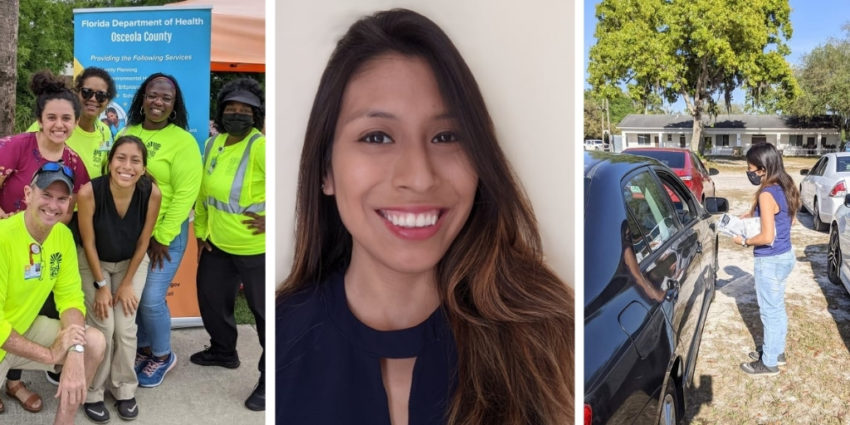
Why did Emelina Asto-Flores volunteer for a clinical trial to test a COVID-19 vaccine? Asto-Flores, a community health educator in Florida, saw how the pandemic devastated Latinos, and she decided to enroll in the trial to help her people. Not only did she help researchers make sure the vaccine is safe for Latinos, but the trial also gave her the knowledge and confidence to encourage others to get their shot. “Representation is important in a clinical trial,” Asto-Flores said. “You wouldn't want a clinical trial to be just consisted of one group. These results need to be proportionate to our diverse communities. It's so important for us as members of the [Latino] community to take that leadership role that could save lives. So those that are a part of that can say, ...
When Giselle Rincon decided to start a nonprofit to help immigrants and offer humanitarian aid to her home country, she had no idea where to start with her background in teaching. “None of us have a nonprofit background, no clue how to begin a nonprofit, how to manage it. We have been learning every day, how to do it and talking to people, asking for consultants, asking for advice,” Rincon said. In 2014, Rincon started Venezuela’s Voice in Oregon along with a group of Venezuelan immigrants in the Portland, Oregon area. She and her team of eight team members work entirely pro-bono and volunteer their time outside of their full-time jobs. Through connecting with other nonprofit leaders and members in the Latino community, Rincon has taught herself how to run her growing ...
Latinos are suffering high rates of COVID-19 cases and deaths, with low vaccine rates. But in addition to the health impact, the pandemic is worsening underlying health inequities for this population in areas like access to housing, federal aid, and healthy food. Now, new research shows that the pandemic is even reducing the number of Latino students enrolling in college. The economic crisis brought on by the spread of the coronavirus, which hit the Latino community hard, made it hard for many Latino students to enroll. “Because our adults tend to be blue-collar workers who have lost out in this economy, having additional hands, all able-bodied folks working, has become essential,” Deborah A. Santiago, chief executive of the nonprofit advocacy group Excelencia in Education, ...
Across the country, COVID-19 cases are on the rise again, despite the vaccine being widely available. This due to the delta variant, a mutation of COVID-19 that is highly contagious. But what does the rise of the delta variant mean for Latinos, those who are vaccinated and those aren’t? Learn the important facts about the delta variant and how Latinos can stay safe.
What is the Delta Variant?
The delta variant is a highly contagious strain of COVID-19 that was first identified in India and has spread across the world. “The Delta variant is the fastest, fittest and most formidable version of the coronavirus that causes COVID-19 the world has encountered, and it is upending assumptions about the disease even as nations loosen restrictions and open their economies, ...